
Anúncios
Measuring spaces, objects, and distances has never been easier thanks to innovative tape measure apps now available on your smartphone, transforming how we approach everyday tasks.



Gone are the days when you needed to carry a bulky tape measure everywhere you went. Modern technology has brought measurement tools directly into your pocket, making it incredibly convenient to take accurate measurements anytime, anywhere. Whether you’re a professional contractor, interior designer, DIY enthusiast, or simply someone who needs to measure furniture before buying, these digital measuring apps offer remarkable precision and ease of use.
Anúncios
The evolution of smartphone cameras and augmented reality (AR) technology has made it possible to turn your phone into a powerful measuring device. These apps leverage advanced algorithms and your phone’s camera to calculate distances, heights, areas, and volumes with surprising accuracy. Let’s explore how these revolutionary tools work and why they’re becoming essential for millions of users worldwide. 📱
How Digital Tape Measure Apps Actually Work
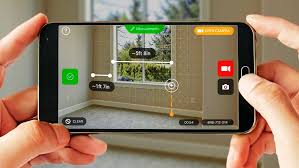
Digital measuring applications utilize a combination of augmented reality, camera sensors, and sophisticated mathematical algorithms to determine measurements. When you point your phone’s camera at an object or surface, the app uses visual reference points to calculate distances and dimensions in real-time.
Anúncios
Most modern smartphones come equipped with depth sensors and advanced camera systems that can detect spatial relationships between objects. The app processes this visual information, identifying surfaces, edges, and reference points to establish accurate measurements. Some applications also use the phone’s accelerometer and gyroscope to enhance precision, especially when measuring vertical distances or angles.
The technology behind these apps has improved dramatically over recent years. Earlier versions required manual calibration and often produced inconsistent results. Today’s apps can automatically detect surfaces, adjust for lighting conditions, and provide measurements accurate to within a few millimeters in optimal conditions. This makes them suitable for both casual home use and semi-professional applications. ✨
The Role of Augmented Reality in Measurement Apps
Augmented reality technology forms the backbone of most advanced measuring applications. AR allows your phone to understand its position in three-dimensional space and overlay digital information onto the real world viewed through your camera. When measuring, the app creates virtual markers on surfaces, which you can then use to define measurement points.
Apple’s ARKit and Google’s ARCore platforms have revolutionized mobile measurement capabilities. These frameworks provide developers with tools to create highly accurate spatial mapping experiences. The result is apps that can not only measure straight lines but also calculate areas of irregular shapes, measure room dimensions, and even estimate volumes of objects.
Key Features That Make Measurement Apps Indispensable
Modern tape measure apps come packed with features that extend far beyond simple distance measurement. Understanding these capabilities helps you maximize the utility of these digital tools in your daily life.
One of the most valuable features is the ability to save and organize measurements. Instead of scribbling numbers on paper that you might lose, these apps let you store measurements with photos, labels, and notes. This is particularly useful when shopping for furniture, planning renovations, or working on multiple projects simultaneously.
Many apps also include unit conversion features, allowing you to switch between metric and imperial measurements instantly. This eliminates the mental math required when working with different measurement systems, reducing errors and saving time. 📏
Advanced Measurement Modes
- Height measurement: Calculate the height of objects, people, or buildings without needing a ladder or physical access
- Area calculation: Measure floor spaces, walls, or any flat surface by defining the perimeter
- Volume estimation: Determine the cubic capacity of rooms, boxes, or containers
- Angle measurement: Check if surfaces are level or measure angles for precise installations
- Path measurement: Calculate distances along curved or irregular paths by placing multiple points
Practical Applications in Everyday Life
The versatility of digital measuring apps makes them valuable in countless situations. Homeowners use them to check if furniture will fit through doorways or in specific spaces before making purchases. This simple check can save money, time, and the frustration of dealing with returns.
Interior decorators and designers rely on these apps to quickly capture room dimensions during client consultations. Instead of carrying traditional measuring tools, they can take comprehensive measurements with just their phone, often with better documentation through photos and notes attached to each measurement.
Real estate professionals find these apps invaluable when documenting property dimensions. They can quickly measure room sizes, ceiling heights, and outdoor spaces, providing accurate information to potential buyers without scheduling separate measurement appointments. 🏠

DIY and Home Improvement Projects
For DIY enthusiasts and home improvement projects, measurement apps serve as constant companions. Whether you’re building shelves, hanging pictures, or installing new fixtures, having a measuring tool always available on your phone streamlines the entire process.
These apps excel in scenarios where traditional tape measures become cumbersome. Measuring high walls, checking ceiling heights, or determining distances across open spaces becomes effortless when you can simply point your phone and get instant readings. The ability to take measurements solo, without needing someone to hold the other end of a tape measure, represents a significant practical advantage.
Accuracy Considerations and Best Practices
While digital measuring apps offer impressive convenience, understanding their limitations ensures you use them appropriately. Most consumer-grade measurement apps achieve accuracy within 1-2% under ideal conditions, which is sufficient for many everyday applications but may not meet professional construction standards.
Lighting conditions significantly impact measurement accuracy. Apps perform best in well-lit environments with clear contrast between objects and backgrounds. Direct sunlight or very dim lighting can interfere with the camera’s ability to detect reference points accurately.
Distance also affects precision. Measurements taken at closer range (within 1-3 meters) tend to be more accurate than those at greater distances. For critical measurements where precision is paramount, it’s wise to verify digital readings with a physical tape measure or professional measuring tool. 🎯
Tips for Getting the Most Accurate Measurements
- Calibrate properly: Many apps require initial calibration; take time to complete this process carefully
- Steady your hands: Hold your phone as stable as possible when taking measurements
- Good lighting: Ensure adequate, even lighting on the surfaces you’re measuring
- Clean camera lens: Smudges and dust on your camera can affect measurement accuracy
- Multiple measurements: Take several readings and compare them to identify any outliers
- Reference points: Use clear, defined edges and corners as measurement endpoints
Comparing Digital Apps with Traditional Tape Measures
The question isn’t whether digital measuring apps will completely replace traditional tape measures, but rather how they complement existing tools. Each approach has distinct advantages depending on the situation and requirements.
Traditional tape measures offer tactile feedback and don’t require batteries or technology to function. They excel in tight spaces, for precise carpentry work, and in environments where smartphone use might be impractical. Professional tradespeople often prefer physical tools for critical measurements where liability is a concern.
Digital apps, however, provide unmatched convenience and additional features that physical tools cannot match. The ability to instantly share measurements with others, maintain digital records, and measure difficult-to-reach areas makes them superior for planning, shopping, and collaborative projects. 📱📐
When to Use Each Type
| Scenario | Best Tool | Reason |
|---|---|---|
| Shopping for furniture | Digital App | Convenience, always available, can reference saved measurements |
| Precise carpentry cuts | Traditional Tape | Higher precision, tactile feedback, no technology dependence |
| Room dimensions for flooring | Either | Both can provide adequate accuracy for this purpose |
| Measuring tall buildings | Digital App | Can measure heights without physical access |
| Tight mechanical spaces | Traditional Tape | Easier to manipulate in confined areas |
Features to Look for When Choosing a Measurement App
With numerous measurement apps available on both Android and iOS platforms, selecting the right one depends on your specific needs and use cases. Some apps focus on simplicity and ease of use, while others offer advanced features for professional applications.
User interface design significantly impacts your experience. Look for apps with intuitive controls that don’t require extensive tutorials to understand. The best apps let you take measurements quickly with minimal taps and adjustments, making the process as seamless as pulling out a physical tape measure.
Compatibility with your device matters greatly. Some advanced measurement features require newer smartphones with specific sensors or camera capabilities. Check app requirements before downloading to ensure your phone can support all features. 🔍
Essential Features Checklist
- Multiple measurement modes: Distance, height, area, and volume capabilities
- Photo integration: Ability to overlay measurements on photos of spaces
- Measurement history: Save and organize previous measurements with labels
- Unit flexibility: Easy switching between metric and imperial units
- Sharing options: Export or share measurements with others
- Offline functionality: Works without internet connection
- Regular updates: Developer actively maintains and improves the app
Privacy and Data Considerations
When using measurement apps, it’s worth considering what data they access and how they use it. Most measurement apps require camera permissions to function, which is necessary for their core functionality. However, some apps may request additional permissions that aren’t essential to their operation.
Review privacy policies before granting permissions, especially if you’ll be using the app to photograph and measure spaces in your home or workplace. Reputable apps should clearly explain what data they collect and how it’s used. Look for apps that allow offline functionality if you’re concerned about data transmission or privacy.
The Future of Mobile Measurement Technology
Mobile measurement technology continues to evolve rapidly, with exciting developments on the horizon. Newer smartphones incorporate LiDAR sensors, which use laser-based distance measurement for unprecedented accuracy. This technology, initially found only in professional surveying equipment, is now making its way into consumer devices.
Artificial intelligence integration promises to make measurement apps even more intuitive. Future versions might automatically recognize objects and suggest relevant measurements, or use machine learning to improve accuracy over time based on your usage patterns. 🚀
Integration with other smart home and design applications represents another growth area. Imagine taking measurements with your phone and instantly seeing how different furniture arrangements would look in your space, or automatically generating shopping lists based on room dimensions you’ve measured.
Making the Most of Your Measurement App
To truly benefit from a digital tape measure app, integrate it into your regular routine. Keep it easily accessible on your phone’s home screen, so you’re never caught without a measuring tool. Take a few minutes to explore all features and practice using different measurement modes before you need them for important tasks.
Create a habit of documenting measurements with photos and notes. This simple practice transforms your app from a basic tool into a comprehensive measurement database. When you need to reference a dimension weeks or months later, you’ll appreciate having detailed records with visual context.
Share measurement capabilities with family members or colleagues who might benefit. Many people remain unaware that their smartphones can function as measuring devices. By introducing others to these tools, you help them solve problems more efficiently while validating your own use of the technology. 💡
Troubleshooting Common Issues
If you experience inconsistent measurements, start by checking basic factors like lighting and camera cleanliness. Recalibrate the app according to its instructions, as calibration can drift over time or after phone updates. Ensure your phone’s operating system and the measurement app are both updated to their latest versions, as updates often include accuracy improvements.
For measurements that seem consistently off, verify that you’re using appropriate reference points. The app needs clear, defined edges to lock onto. Textured or patterned surfaces can sometimes confuse the camera’s edge detection. In these cases, placing a simple object with clear edges at the measurement point can improve results.
Empowering Your Projects with Digital Precision
Digital tape measure apps represent a perfect example of how smartphones continue to replace specialized tools, making our lives more convenient without sacrificing capability. Whether you’re a professional who needs quick field measurements or someone who occasionally needs to check if a couch will fit through a doorway, these apps deliver practical value.
The combination of accuracy, convenience, and additional features like measurement history and photo integration makes these apps indispensable for modern living. As the technology continues improving and newer phones incorporate better sensors, the gap between digital and physical measuring tools will only narrow further.
By downloading a quality measurement app today, you’re equipping yourself with a tool that will prove useful countless times. From spontaneous furniture shopping to planned home renovations, having measurement capability always in your pocket transforms how you approach spatial challenges. The future of measurement is digital, portable, and remarkably precise—and it’s available right now in your phone. 📲✨
