
Anúncios
Transform your living or working space into a reflection of your personality with thoughtful interior design choices that blend functionality, aesthetics, and comfort seamlessly.



Creating beautiful interiors isn’t reserved for professional designers or those with unlimited budgets. With the right approach, anyone can transform ordinary rooms into extraordinary spaces that inspire daily life. Interior architecture goes beyond selecting pretty colors—it’s about understanding spatial flow, lighting dynamics, and how different elements interact to create harmony.
Anúncios
Whether you’re redesigning your bedroom, revamping your home office, or giving your entire house a fresh perspective, the principles remain consistent. By focusing on key design fundamentals and trusting your instincts, you’ll discover that decorating with style and good taste is both accessible and rewarding. Let’s explore how to elevate every corner of your environment with intention and creativity.
🏠 Understanding Your Space Before Making Changes
Before purchasing a single piece of furniture or selecting paint colors, take time to truly understand your space. Walk through each room at different times of day, noticing how natural light shifts and which areas feel most inviting. Observe traffic patterns—where do you naturally walk? Which spots do you gravitate toward?
Anúncios
Measure everything carefully. Nothing derails a design vision faster than furniture that doesn’t fit properly. Create a simple floor plan, either on paper or using free digital tools, marking windows, doors, electrical outlets, and architectural features. This foundational step prevents costly mistakes and helps you visualize possibilities before committing.
Consider the purpose of each space. A room can serve multiple functions, but clarity about primary use guides all subsequent decisions. Your home office might double as a guest room, but understanding that productivity is the priority will influence layout, lighting, and storage solutions differently than if hospitality were the main concern.
✨ Establishing Your Personal Design Style
Design magazines and social media platforms overflow with beautiful interiors, but the key is identifying what genuinely resonates with you rather than following trends blindly. Start by creating a mood board—digital or physical—collecting images that spark joy or interest. Don’t overthink this process; simply gather what appeals to you instinctively.
After collecting 20-30 images, step back and look for patterns. Do you gravitate toward clean lines and minimal ornamentation? Perhaps you’re drawn to mid-century modern aesthetics. Or maybe your selections reveal a love for textured fabrics, layered patterns, and eclectic combinations that signal bohemian sensibilities.
Your style doesn’t need a label, but identifying common threads helps maintain consistency across spaces. This doesn’t mean every room should look identical, but there should be a visual conversation between areas—whether through repeated colors, materials, or design philosophies that create cohesion throughout your home.
🎨 Color Psychology and Palette Selection
Color profoundly influences mood and perception of space. Cool tones like blues and greens create calming environments perfect for bedrooms and bathrooms, while warm hues such as terracotta, mustard, and coral energize living areas and creative spaces. Neutrals provide versatile foundations that allow flexibility as your tastes evolve.
The 60-30-10 rule offers a foolproof approach to color distribution: 60% dominant color (usually walls), 30% secondary color (upholstery, curtains), and 10% accent color (pillows, artwork, decorative objects). This formula creates visual balance without overwhelming the senses.
Don’t fear darker colors in smaller spaces. Contrary to popular belief, deep shades can make rooms feel cozy and intentional rather than cramped. The trick lies in adequate lighting and incorporating reflective surfaces that prevent the space from feeling cave-like. Test paint samples on multiple walls and observe them throughout the day before making final decisions.
💡 Lighting: The Most Underestimated Design Element
Exceptional lighting transforms good rooms into extraordinary ones. Natural light remains the gold standard, so maximize it by keeping window treatments minimal or choosing sheer fabrics that filter rather than block sunlight. Position mirrors strategically to bounce light into darker corners and create the illusion of expanded space.
Layer your artificial lighting with three distinct types: ambient (overhead fixtures providing general illumination), task (focused light for specific activities like reading or cooking), and accent (highlighting architectural features or artwork). This layered approach allows flexibility to adjust atmosphere according to time of day and activity.
Dimmer switches are inexpensive upgrades that dramatically increase lighting versatility. Even budget-friendly fixtures become sophisticated when you can modulate intensity. Consider color temperature too—warmer tones (2700-3000K) create inviting residential atmospheres, while cooler lights (3500-4100K) suit task-oriented spaces like home offices.
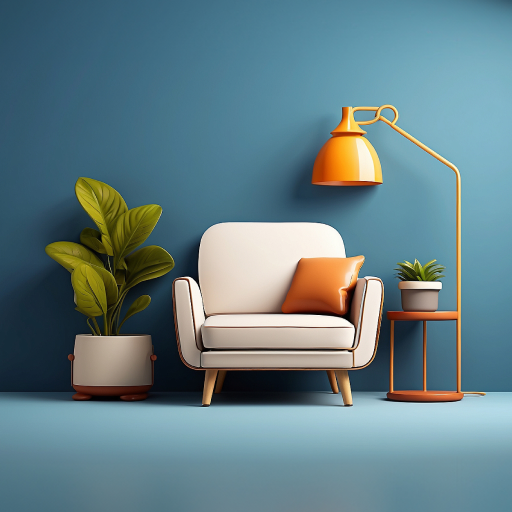
🛋️ Furniture Selection and Spatial Arrangement
Quality trumps quantity when selecting furniture. One well-made sofa that fits your space perfectly outweighs three mediocre pieces that crowd the room. Invest in foundational items you’ll use daily—beds, sofas, dining tables—and supplement with affordable accent pieces that can be easily replaced as tastes change.
Scale matters enormously. Oversized furniture overwhelms small rooms, while undersized pieces look lost in spacious areas. When in doubt, slightly larger furniture creates a more intentional, curated appearance than pieces that seem apologetically small. Allow adequate clearance for movement—at least 30 inches for walkways and 12-18 inches between coffee tables and seating.
Arrange furniture to facilitate conversation and connection rather than simply lining walls. Create intimate groupings that encourage interaction, positioning seating to face each other at comfortable distances. In offices, position desks to face the room rather than walls when possible, creating a sense of openness and control over your environment.
🖼️ Wall Treatments Beyond Basic Paint
Walls offer tremendous creative potential beyond single-color paint. Accent walls featuring wallpaper, textured treatments, or contrasting colors add depth without overwhelming. Modern removable wallpapers allow renters and commitment-phobic decorators to experiment with bold patterns risk-free.
Gallery walls showcase personality and create focal points, but require planning. Lay out arrangements on the floor first, maintaining 2-3 inches between frames for cohesion. Mix frame styles and artwork types for eclectic appeal, or keep frames uniform for sleek, gallery-style presentation. Anchor the arrangement around a central piece and build outward.
Architectural molding, wainscoting, or board-and-batten treatments add dimension and character, especially in homes lacking original architectural details. These elements need not be expensive—even simple trim painted in contrasting colors creates sophisticated visual interest that elevates the entire space.
🌿 Bringing Nature Indoors
Plants purify air, add life to sterile spaces, and introduce organic shapes that soften hard architectural lines. If you lack a green thumb, start with hardy varieties like pothos, snake plants, or ZZ plants that tolerate neglect. Group plants in odd numbers at varying heights for dynamic, natural-looking arrangements.
Natural materials—wood, stone, linen, wool—create warmth and texture that synthetic alternatives cannot replicate. A wooden cutting board displayed on a kitchen counter, linen curtains filtering afternoon light, or a wool throw draped over a sofa adds tactile richness that makes spaces feel lived-in and loved.
Connect interior spaces with outdoor views by positioning furniture to frame windows and using similar color palettes inside and out. This visual continuity makes rooms feel larger and creates seamless transitions between environments, bringing the calming influence of nature into your daily routines.
📚 Smart Storage Solutions That Don’t Sacrifice Style
Clutter destroys even the most carefully planned design schemes. Before decorating, ruthlessly edit belongings, keeping only items you use regularly or genuinely love. Everything remaining needs a designated home—when storage becomes intentional rather than afterthought, maintaining order becomes effortless.
Multi-functional furniture maximizes small spaces beautifully. Ottoman storage, bed frames with built-in drawers, and console tables with shelving provide utility without advertising their practical purposes. In offices, closed storage keeps visual clutter at bay while open shelving displays curated objects that reinforce your aesthetic.
Vertical space remains vastly underutilized in most homes. Floor-to-ceiling shelving, wall-mounted desks, and hanging planters draw the eye upward, making ceilings appear higher while providing abundant storage. This approach works especially well in compact urban apartments where square footage comes at a premium.
🎯 Creating Focal Points That Command Attention
Every well-designed room needs a clear focal point—an element that immediately draws the eye and anchors the space. In living rooms, this might be a fireplace, large window, or striking piece of art. Bedrooms naturally center around beds, while dining rooms focus on tables. Identify or create these anchors, then arrange everything else in relation to them.
If your space lacks inherent architectural interest, create focal points through design choices. A bold painted accent wall, dramatic lighting fixture, or oversized mirror can transform anonymous rooms into memorable spaces. The goal isn’t to overwhelm but to provide visual direction that guides the eye purposefully through the environment.
Avoid competing focal points that confuse visual hierarchy. If your living room features both a stunning fireplace and a massive television, choose one to emphasize and subordinate the other. This doesn’t mean hiding functional elements, but rather ensuring clear visual priority that creates harmony rather than competition.
🧘 Designing Offices for Productivity and Comfort
Home offices require balancing professional functionality with residential comfort. Position desks near windows for natural light and views that reduce eye strain and mental fatigue. Invest in an ergonomic chair—your body will thank you after long work sessions, and proper support directly impacts productivity and wellbeing.
Separate work zones from relaxation areas whenever possible, even within the same room. This physical boundary helps maintain work-life balance by creating psychological separation between professional and personal time. A bookshelf divider, area rug defining the office zone, or simply positioning your desk away from relaxation furniture can establish these important distinctions.
Personalize office spaces with items that inspire without distracting. Meaningful artwork, a small plant, or family photos create warmth, while excessive decorative objects can fracture focus. Keep surfaces relatively clear, storing supplies in attractive containers that support your aesthetic while maintaining the calm, organized environment conducive to concentration.
🛏️ Bedroom Sanctuaries for Restorative Sleep
Bedrooms should prioritize tranquility above all else. Remove televisions, minimize electronics, and choose calming color palettes that promote relaxation. Layer textures through varied bedding, curtains, and rugs to create sensory richness that feels luxurious and comforting.
Invest disproportionately in quality bedding—you spend roughly a third of your life sleeping, making this the most worthwhile splurge in home decorating. High thread count sheets, supportive pillows, and appropriate blankets for your climate transform sleep quality, which impacts every other aspect of life.
Control light carefully through blackout curtains or shades that allow complete darkness for optimal sleep. Layer these with sheer curtains for daytime privacy that admits natural light. Bedside lighting should be sufficient for reading without being harsh—adjustable reading lamps or wall-mounted sconces offer flexibility without occupying precious nightstand space.
🍽️ Dining Spaces That Encourage Gathering
Dining areas, whether dedicated rooms or kitchen nooks, benefit from warm, inviting atmospheres that encourage lingering. Overhead lighting centered on tables provides essential illumination, but consider installing dimmers to adjust ambiance for different occasions—bright for homework sessions, subdued for intimate dinners.
Table size should accommodate your household plus occasional guests comfortably, with approximately 24 inches of width per person. Ensure adequate clearance—at least 36 inches between table edge and walls or furniture—allowing chairs to pull out easily and people to move around seated diners.
Don’t reserve dining spaces exclusively for meals. Beautiful tables deserve daily appreciation, so style them with simple centerpieces that can be quickly moved when needed. A bowl of fresh fruit, small plant arrangement, or collection of candles creates interest without preventing the table’s primary function.
🎨 The Art of Accessorizing Without Overdoing
Accessories provide personality and finish to designed spaces, but restraint separates curated environments from cluttered ones. The “edit by thirds” principle suggests that after accessorizing a space, remove one-third of items. This discipline ensures only the most impactful pieces remain, each earning its place through beauty or meaning.
Group small objects in odd numbers (3, 5, 7) at varying heights for visual interest. A single candlestick looks lonely, but three in graduated sizes create intentional arrangement. Layer items by placing taller objects behind shorter ones, and leave breathing room—negative space lets individual pieces shine rather than competing for attention.
Rotate accessories seasonally to keep spaces feeling fresh without purchasing new items constantly. Store off-season decor properly, swapping in different textiles, artwork, or decorative objects that reflect changing weather and holidays. This practice maintains visual interest while honoring budget constraints that affect most households.
💰 Achieving High-End Looks on Realistic Budgets
Expensive doesn’t automatically mean beautiful, and budget limitations need not compromise style. Allocate funds strategically, investing in visible foundational pieces while saving on hidden or easily changeable elements. Splurge on sofas everyone will use daily, economize on decorative pillows that can be switched affordably.
Thrift stores, estate sales, and online marketplaces offer quality vintage and secondhand furniture at fractions of retail costs. Well-made older pieces often surpass new budget furniture in construction and materials, needing only minor updates like new upholstery or fresh paint to look contemporary and intentional.
DIY projects stretch budgets creatively when you possess basic skills and patience. Painting furniture, creating artwork, sewing curtains, or installing shelving costs significantly less than purchasing equivalents while adding personal touches that make spaces uniquely yours. Start with small projects, building confidence before tackling ambitious renovations.
🔄 Designing Flexible Spaces That Evolve With You
Life changes constantly—children grow, careers shift, interests evolve. Design spaces with adaptability in mind, choosing neutral foundations that accommodate changing needs and tastes. Removable wallpaper, modular furniture, and flexible lighting systems allow updates without complete overhauls.
Multi-purpose rooms serve contemporary lifestyles beautifully. Guest bedrooms double as home offices with murphy beds or sleeper sofas, dining rooms transform into homework stations with adequate task lighting, living rooms accommodate yoga practices when furniture arranges thoughtfully. Consider how spaces might serve alternative functions before committing to single-purpose designs.
Document your design journey through photos taken periodically. These records help recognize growth and evolution while providing inspiration when motivation wanes. Spaces that feel stale often need only minor tweaks rather than complete redesigns—fresh perspective through old photos reveals what’s working and what needs refreshing.

🌟 Embracing Imperfection and Personal Expression
Magazine-perfect rooms often feel sterile and unwelcoming because they lack the beautiful imperfections that make houses homes. Don’t stress over achieving impossible standards—lived-in spaces naturally accumulate the marks of daily life, and these signs of use add character rather than detracting from beauty.
Display items meaningful to you regardless of whether they fit current trends. That quirky sculpture from your travels, children’s artwork, or inherited furniture piece tells your story more authentically than any designer’s vision could. Homes should reflect inhabitants’ lives, interests, and histories, creating environments that feel genuine rather than staged.
Trust your instincts above external opinions. If something brings you joy, it belongs in your space regardless of whether it follows conventional design wisdom. The most successful interiors balance learned principles with personal expression, creating environments that function beautifully while nurturing the souls of those who inhabit them daily.
Interior design remains an ongoing journey rather than a destination. Spaces evolve alongside the people within them, gradually accumulating layers of meaning and memories. By understanding fundamental principles while honoring your unique perspective, you’ll create environments that not only look beautiful but feel authentically like home—spaces where style and substance merge, supporting your best life every single day.
