
Anúncios
Managing your blood glucose effectively is one of the most empowering steps you can take toward living a healthier, more balanced life.



Whether you’re managing diabetes, prediabetes, or simply wanting to optimize your metabolic health, understanding how glucose works in your body is essential. The good news? With the right knowledge, tools, and habits, you can take full control of your blood sugar levels and feel more energized, focused, and confident every single day.
Anúncios
In this comprehensive guide, we’ll explore practical strategies, lifestyle adjustments, and modern solutions that put you in the driver’s seat of your glucose management journey. Let’s dive into how you can regain control and live life on your own terms. 🌟
🩺 Understanding Blood Glucose: Why It Matters
Blood glucose, or blood sugar, is the primary source of energy for your body’s cells. It comes from the food you eat and is regulated by insulin, a hormone produced by the pancreas. When this system works smoothly, your body maintains stable energy levels throughout the day.
Anúncios
However, when blood sugar levels spike or drop unpredictably, it can lead to fatigue, irritability, brain fog, and long-term health complications. Chronic high blood sugar is the hallmark of diabetes, while frequent lows can be dangerous and disorienting.
Understanding your glucose patterns is the first step toward taking control. It’s not just about avoiding sugar—it’s about recognizing how your entire lifestyle influences your metabolic health.
🍽️ The Role of Nutrition in Glucose Control
What you eat has a direct and immediate impact on your blood sugar levels. Carbohydrates break down into glucose, while proteins and fats have a more gradual effect. The key is learning how to balance your meals for steady energy without spikes.
Choose Complex Carbohydrates Over Simple Sugars
Refined sugars and processed carbs cause rapid glucose spikes. Instead, opt for whole grains, legumes, vegetables, and fruits with low glycemic indexes. These foods release glucose slowly, keeping your levels stable.
Include Protein and Healthy Fats
Adding lean proteins like chicken, fish, tofu, or eggs to your meals slows down digestion and glucose absorption. Healthy fats from avocados, nuts, seeds, and olive oil also help maintain balance and keep you feeling full longer.
Practice Portion Control
Even healthy foods can raise blood sugar if consumed in large quantities. Pay attention to portion sizes, especially with carb-heavy foods. Using smaller plates and measuring servings can make a big difference.
Stay Hydrated
Drinking enough water helps your kidneys flush out excess glucose through urine. Dehydration can lead to higher blood sugar levels, so aim for at least 8 glasses of water daily.
🏃♀️ Movement and Exercise: Your Glucose Game-Changer
Physical activity is one of the most effective natural ways to lower blood sugar. When you move, your muscles use glucose for energy, which helps reduce circulating blood sugar levels even without insulin.
You don’t need to run marathons or spend hours at the gym. Consistency matters more than intensity. A brisk 20-minute walk after meals can significantly improve your glucose response.
Types of Exercise That Help
- Aerobic exercise: Walking, jogging, cycling, swimming—anything that gets your heart pumping.
- Resistance training: Weightlifting or bodyweight exercises build muscle, which improves insulin sensitivity.
- Flexibility work: Yoga and stretching reduce stress hormones that can spike blood sugar.
- High-intensity interval training (HIIT): Short bursts of intense activity followed by rest can be highly effective for glucose control.
Find activities you enjoy, so exercise becomes a sustainable part of your routine rather than a chore. The best workout is the one you’ll actually do. 💪
😴 Sleep: The Underrated Blood Sugar Regulator
Poor sleep disrupts your body’s ability to regulate glucose. When you’re sleep-deprived, your body produces more cortisol (a stress hormone) and becomes less sensitive to insulin, leading to higher blood sugar levels.
Aim for 7-9 hours of quality sleep each night. Create a calming bedtime routine, keep your room cool and dark, and avoid screens at least an hour before bed. Prioritizing rest isn’t lazy—it’s essential for metabolic health.

🧘♂️ Stress Management: Calm Mind, Stable Glucose
Chronic stress triggers the release of cortisol and adrenaline, both of which raise blood sugar levels. Learning to manage stress effectively is crucial for glucose control.
Techniques like deep breathing, meditation, journaling, and spending time in nature can help lower stress hormones. Even five minutes of mindful breathing can make a noticeable difference in how your body responds to stress.
Don’t underestimate the power of social connection, either. Talking with friends, joining support groups, or seeking professional counseling can provide emotional relief that translates into better physical health.
📱 Technology and Tools: Smart Solutions for Modern Monitoring
Thanks to technology, managing blood glucose has never been easier or more precise. Gone are the days of guesswork and outdated logbooks. Today’s apps and devices offer real-time insights that empower you to make informed decisions instantly.
Continuous Glucose Monitors (CGMs)
CGMs are small sensors worn on the skin that track glucose levels throughout the day and night. They provide instant feedback, helping you see how foods, activities, and stress affect your levels in real time.
Glucose Tracking Apps
Mobile apps make it simple to log your readings, meals, medications, and exercise. Many apps offer charts, trends, and reminders, helping you spot patterns and stay accountable. The Glic app, for example, provides comprehensive tracking and personalized insights tailored to your unique needs.
Smart Devices and Wearables
Fitness trackers and smartwatches can sync with glucose apps, giving you a holistic view of your health. Monitoring steps, heart rate, sleep, and glucose all in one place makes it easier to understand how lifestyle factors interconnect.
💊 Medications and Medical Support: When You Need Extra Help
For some people, lifestyle changes alone aren’t enough. Medications like metformin, insulin, or newer options like GLP-1 agonists can be essential tools in managing blood sugar effectively.
Always work closely with your healthcare team. Regular check-ins, lab tests, and medication adjustments ensure you’re on the right track. Never hesitate to ask questions or advocate for your needs—you deserve personalized, attentive care.
🥗 Meal Planning and Prepping: Set Yourself Up for Success
One of the biggest challenges in glucose management is making healthy choices when you’re tired, busy, or hungry. Meal planning removes the guesswork and reduces the temptation to reach for quick, unhealthy options.
Dedicate a few hours each week to planning and preparing meals. Cook in batches, portion out snacks, and keep healthy options visible and accessible. When nutritious food is convenient, you’re far more likely to stick to your goals.
Sample Meal Ideas for Stable Blood Sugar
- Breakfast: Greek yogurt with berries and chia seeds
- Lunch: Grilled chicken salad with mixed greens, avocado, and olive oil dressing
- Snack: Handful of almonds and a small apple
- Dinner: Baked salmon with quinoa and roasted vegetables
Experiment with recipes, discover new flavors, and enjoy the process. Healthy eating doesn’t have to be boring or restrictive—it can be delicious and satisfying. 🍓
🔍 Monitoring Trends: Knowledge Is Power
Tracking your glucose isn’t just about individual readings—it’s about recognizing patterns over time. Are your levels consistently high in the morning? Do certain foods cause unexpected spikes? Is stress affecting your numbers more than you realized?
Reviewing your data weekly or monthly helps you and your healthcare provider make informed adjustments. Small tweaks to your routine can lead to significant improvements in your overall control.
🌍 Building a Support System: You Don’t Have to Do This Alone
Managing glucose can feel overwhelming, especially at first. Connecting with others who understand your journey can provide motivation, encouragement, and practical advice.
Join online communities, attend local support groups, or involve family and friends in your health goals. When people around you understand what you’re working toward, they can offer support rather than sabotage.
Remember, asking for help isn’t a sign of weakness—it’s a smart strategy for long-term success.
🎯 Setting Realistic Goals: Progress Over Perfection
Total control doesn’t mean perfect numbers 24/7. It means understanding your body, making informed choices, and responding effectively when things don’t go as planned.
Set small, achievable goals. Maybe it’s reducing your A1C by 0.5%, walking 10,000 steps daily, or cooking at home five nights a week. Celebrate every win, no matter how small. Progress is progress, and consistency beats perfection every time.
🚀 Taking the First Step Today
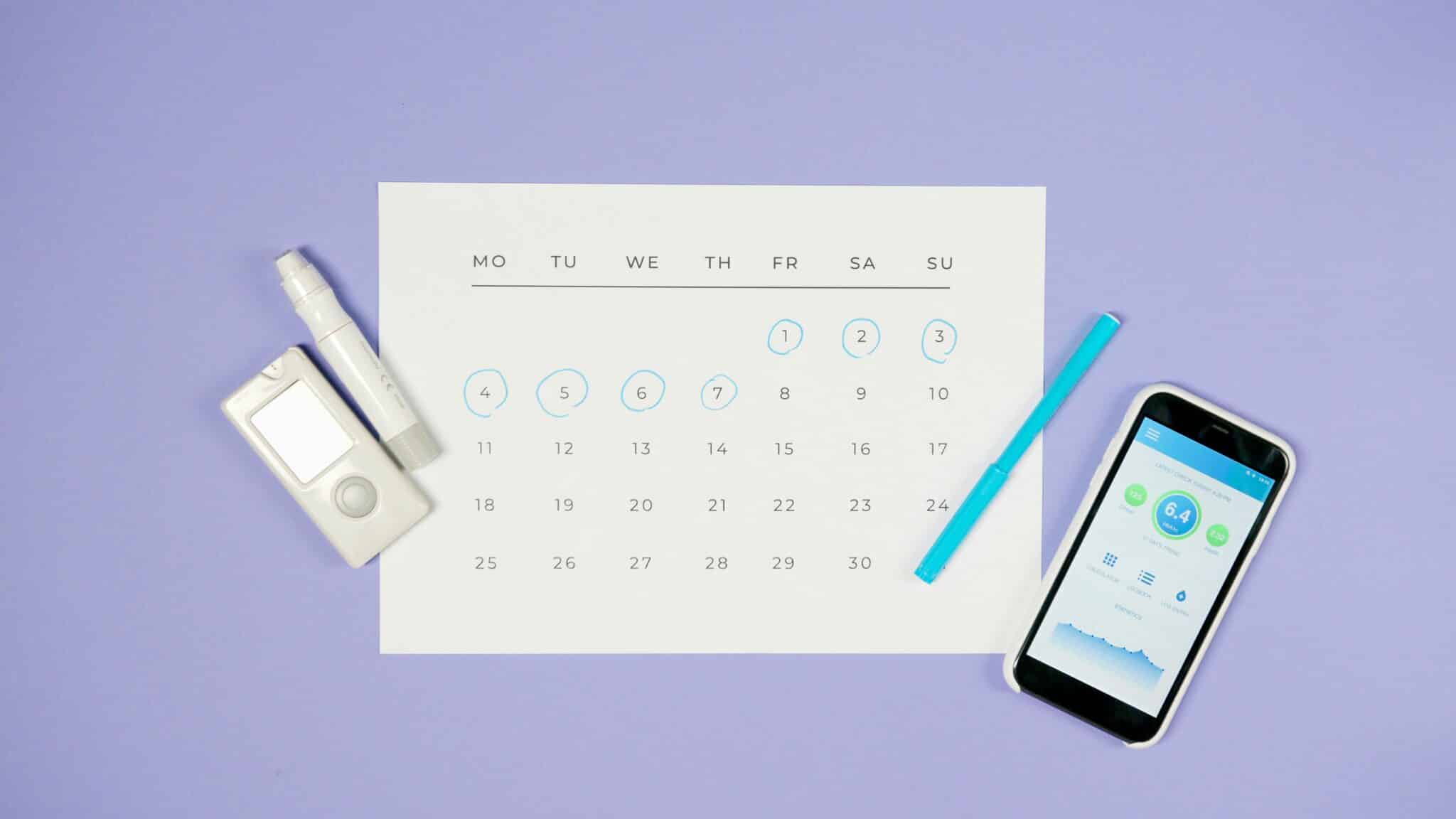
You don’t need to overhaul your entire life overnight. Start with one change—whether it’s downloading a glucose tracking app, preparing a healthy meal, or taking a walk after dinner. Each small action builds momentum and confidence.
The journey to total glucose control is personal and ongoing. There will be challenges, setbacks, and learning curves. But with the right tools, mindset, and support, you can absolutely take charge of your health and thrive.
Empower yourself with knowledge, embrace the tools available to you, and remember: you’re not managing glucose—you’re reclaiming your vitality, energy, and freedom. You’ve got this! 🌟
