
Anúncios
Tea has been cherished for centuries as a comforting beverage and natural remedy. Whether you seek relaxation, energy, or healing, there’s a perfect tea waiting for you. ☕



From ancient Chinese traditions to modern wellness routines, tea culture spans continents and generations. The right cup can transform your morning, calm your evening, or support your body during illness. Understanding which tea serves which purpose empowers you to make better choices for your health and mood.
Anúncios
This comprehensive guide explores the best teas for every occasion, helping you navigate the vast world of herbal infusions, green varieties, black blends, and specialty brews. Let’s discover your perfect match for any moment of the day.
🌅 Best Teas for Morning Energy and Focus
Starting your day with the right tea sets the tone for productivity and mental clarity. While coffee often dominates morning routines, certain teas offer sustained energy without the jitters or afternoon crashes.
Anúncios
Black tea stands as the classic morning choice, containing roughly half the caffeine of coffee while delivering antioxidants called theaflavins. English Breakfast and Assam varieties provide robust flavors that pair beautifully with breakfast foods. The L-theanine naturally present in tea creates a balanced alertness that enhances focus without anxiety.
Matcha green tea has surged in popularity among health-conscious morning drinkers. This powdered Japanese tea contains the entire leaf, delivering concentrated nutrients, chlorophyll, and a gentle caffeine boost that lasts four to six hours. The ceremonial preparation adds mindfulness to your morning routine.
Yerba mate offers a South American alternative with balanced caffeine content and an earthy, slightly grassy flavor. Rich in vitamins and minerals, this tea provides clean energy that many describe as more focused than coffee, making it ideal for demanding workdays.
Tips for Morning Tea Preparation
- Brew black tea at 200°F (93°C) for 3-5 minutes to avoid bitterness
- Whisk matcha with hot (not boiling) water for smooth consistency
- Steep yerba mate in a traditional gourd or French press
- Add lemon to enhance antioxidant absorption
- Avoid adding sugar; try honey or stevia instead
🧘 Calming Teas for Stress Relief and Relaxation
Modern life brings constant stimulation and stress. The right evening tea creates a ritual that signals your body to unwind, preparing you for restful sleep and mental recovery.
Chamomile tea reigns supreme among relaxation teas. This gentle herbal infusion contains apigenin, an antioxidant that binds to brain receptors promoting sleepiness and reducing anxiety. The apple-like flavor soothes both palate and mind, making it perfect for bedtime routines.
Lavender tea brings aromatherapy benefits directly to your cup. The fragrant purple flowers reduce nervous tension and can alleviate mild headaches. Combining lavender with chamomile creates an especially powerful calming blend.
Passionflower tea works wonders for racing thoughts and restlessness. Traditional medicine has long used this vine plant to treat anxiety and insomnia. The mild, slightly grassy taste blends well with honey and vanilla.
Valerian root tea offers stronger sedative properties for those with persistent sleep difficulties. The earthy, somewhat pungent flavor isn’t for everyone, but its effectiveness at promoting deep sleep has earned devoted followers. Best consumed 30-60 minutes before bedtime.

🌿 Digestive Support Teas After Meals
Post-meal discomfort affects millions daily. Rather than reaching for antacids, consider time-tested herbal teas that gently support digestion and relieve bloating, gas, and indigestion.
Peppermint tea tops the list for digestive relief. The menthol naturally present relaxes gastrointestinal muscles, easing cramping and reducing bloating. This refreshing tea also helps with nausea and can freshen breath after garlic-heavy meals.
Ginger tea has been used for centuries to settle upset stomachs and combat nausea. Fresh ginger root steeped in hot water provides the most potent benefits, though tea bags offer convenience. Ginger stimulates saliva production and bile secretion, facilitating smoother digestion.
Fennel tea addresses gas and bloating with remarkable effectiveness. The licorice-like flavor might surprise first-time drinkers, but its carminative properties quickly soothe digestive distress. Fennel also supports healthy gut bacteria.
Dandelion root tea acts as a gentle digestive tonic, stimulating appetite and supporting liver function. The slightly bitter taste signals digestive organs to optimize their performance, making it excellent before or after heavy meals.
💪 Immune-Boosting Teas for Cold and Flu Season
When illness strikes or prevention becomes priority, certain teas offer immune system support through vitamins, antioxidants, and antimicrobial compounds.
Echinacea tea gained fame for shortening cold duration and reducing symptom severity. This North American native flower stimulates white blood cell production and offers antiviral properties. Start drinking at the first sign of illness for best results.
Elderberry tea contains powerful antioxidants called anthocyanins that fight inflammation and viral infections. Studies suggest elderberry can reduce flu symptoms and recovery time. The tart, berry-like flavor benefits from added honey.
Turmeric tea (golden milk) delivers curcumin, a compound with potent anti-inflammatory and antioxidant effects. Combined with black pepper to enhance absorption, this warming beverage supports overall immune function and reduces inflammation throughout the body.
Green tea deserves recognition beyond its morning applications. The catechins, especially EGCG, possess antiviral and antibacterial properties that help prevent infections. Regular consumption correlates with stronger immune response.
Immunity Tea Blend Recipe
- 2 cups water
- 1-inch fresh ginger root, sliced
- 1 teaspoon dried echinacea
- 1/2 teaspoon turmeric powder
- Juice of half a lemon
- 1 tablespoon raw honey
- Pinch of black pepper
Simmer ginger, echinacea, and turmeric for 10 minutes. Strain, add lemon juice, honey, and pepper. Drink twice daily during illness or exposure periods.
🏃 Pre-Workout and Recovery Teas
Athletes and fitness enthusiasts can leverage specific teas to enhance performance, endurance, and post-exercise recovery.
Green tea consumed before workouts increases fat oxidation and improves exercise performance. The combination of caffeine and catechins enhances metabolic rate and endurance, helping you push through challenging sessions.
Beetroot tea contains nitrates that convert to nitric oxide in the body, improving blood flow and oxygen delivery to muscles. This translates to better stamina and reduced fatigue during cardio activities.
Rooibos tea shines as a recovery beverage. This South African red tea contains aspalathin and nothofagin, antioxidants that reduce exercise-induced inflammation and oxidative stress. Naturally caffeine-free, it won’t interfere with post-workout relaxation.
Hibiscus tea supports cardiovascular health and helps regulate blood pressure—crucial factors for athletes. The tart, cranberry-like flavor refreshes after intense training, and the anthocyanins aid muscle recovery.
🌸 Hormonal Balance and Women’s Health Teas
Women’s bodies experience cyclical hormonal fluctuations that certain herbal teas can gently support throughout different life stages.
Raspberry leaf tea has been used traditionally to support uterine health and ease menstrual discomfort. Rich in vitamins and minerals, particularly iron, this tea may help regulate cycles and reduce cramping. Many midwives recommend it during the third trimester of pregnancy (with healthcare provider approval).
Vitex (chasteberry) tea influences the pituitary gland to balance progesterone and estrogen levels. Women with PMS, irregular cycles, or menopausal symptoms often find relief through consistent use over several months.
Dong quai tea serves as a foundational herb in Traditional Chinese Medicine for women’s health. It addresses menstrual irregularities, menopausal hot flashes, and reproductive system support. The slightly sweet, earthy flavor pairs well with other herbs.
Spearmint tea shows promise for women with polycystic ovary syndrome (PCOS) by reducing excess androgens. Two cups daily may help manage hormonal acne and unwanted hair growth associated with this condition.
🧠 Cognitive Function and Memory Enhancement Teas
Brain health deserves as much attention as physical fitness. Several teas contain compounds that protect neurons, improve memory, and enhance mental performance.
Ginkgo biloba tea increases blood flow to the brain, potentially improving memory, focus, and cognitive processing speed. This ancient tree’s leaves have been used medicinally for thousands of years to support mental clarity, especially in aging populations.
Gotu kola tea earned the nickname “herb of longevity” in Ayurvedic tradition. It enhances memory formation, reduces mental fatigue, and may protect against age-related cognitive decline. The slightly bitter taste becomes pleasant with regular consumption.
Rosemary tea contains compounds that inhibit the breakdown of acetylcholine, a neurotransmitter crucial for memory and learning. Even the aroma of rosemary has been shown to improve cognitive performance in studies.
Sage tea demonstrates neuroprotective properties and may improve memory recall and attention span. Its strong, earthy flavor makes it a natural choice for winter evenings when mental sharpness matters.
☀️ Afternoon Pick-Me-Up Teas (Without Sleep Disruption)
The afternoon slump tempts many toward excessive caffeine, which then interferes with evening wind-down. These teas provide gentle energy without compromising sleep quality.
White tea offers the lowest caffeine content among true teas while maintaining antioxidant benefits. Its delicate, slightly sweet flavor refreshes without overstimulation, making it perfect for 2-4 PM consumption.
Oolong tea bridges green and black varieties, providing moderate caffeine with complex flavors ranging from floral to roasted. The partial oxidation creates a balanced profile that energizes without jitters.
Rooibos chai delivers the warming spice experience of traditional chai without any caffeine. Cinnamon, cardamom, ginger, and cloves create satisfying complexity while supporting stable energy through blood sugar regulation.
Peppermint tea revitalizes through aroma and flavor rather than caffeine. The invigorating menthol scent increases alertness and concentration, making it an excellent afternoon refresher for those sensitive to stimulants.
🎯 Matching Tea to Your Specific Needs
| Occasion/Need | Recommended Tea | Best Time |
|---|---|---|
| Morning energy boost | Black tea, Matcha, Yerba mate | 6 AM – 10 AM |
| Stress and anxiety | Chamomile, Lavender, Passionflower | Evening, before bed |
| Digestive discomfort | Peppermint, Ginger, Fennel | After meals |
| Immune support | Echinacea, Elderberry, Green tea | During illness or prevention |
| Pre-workout energy | Green tea, Beetroot tea | 30-60 minutes before exercise |
| Post-workout recovery | Rooibos, Hibiscus | Within 2 hours after exercise |
| Mental focus | Ginkgo, Rosemary, Sage | Mid-morning or early afternoon |
| Afternoon refreshment | White tea, Oolong, Rooibos chai | 2 PM – 4 PM |
🍵 Brewing Techniques for Maximum Benefits
Even the finest tea loses its potential through improper preparation. Temperature, steeping time, and water quality dramatically impact flavor and therapeutic compounds.
Water temperature matters: Delicate white and green teas require cooler water (160-180°F) to prevent bitterness and preserve antioxidants. Black teas and herbal infusions tolerate boiling water (200-212°F) for full extraction.
Steeping duration varies: Over-steeping releases excessive tannins, creating astringency and bitterness. Green teas need 2-3 minutes, oolong 3-5 minutes, black teas 3-5 minutes, and herbal infusions 5-10 minutes. Use timers for consistency.
Water quality influences taste: Filtered or spring water allows tea flavors to shine without chlorine or mineral interference. Avoid distilled water, which produces flat-tasting tea lacking dimension.
Proper storage extends freshness: Keep tea in airtight containers away from light, moisture, and strong odors. Most teas maintain peak quality for 6-12 months when stored properly in cool, dark locations.
🌟 Creating Your Personal Tea Ritual
Beyond choosing the right tea, establishing a mindful preparation ritual amplifies benefits through stress reduction and intentional self-care.
Designate a special cup or teapot exclusively for tea. The visual and tactile familiarity signals your brain to transition into a different mode—whether energizing, relaxing, or focusing.
Remove distractions during tea preparation and initial consumption. These five minutes of presence create a micro-meditation that resets your nervous system and grounds you in the present moment.
Observe the tea’s color, inhale its aroma deeply, and taste mindfully. Engaging all senses transforms a simple beverage into a multisensory experience that nourishes body and soul.
Journal or reflect while sipping. Many find that tea time provides perfect conditions for creative thinking, problem-solving, or emotional processing. Keep a notebook nearby for insights that arise.
🛡️ Safety Considerations and Contraindications
While generally safe, herbal teas can interact with medications and aren’t appropriate for everyone in all situations.
Pregnant and breastfeeding women should consult healthcare providers before consuming medicinal quantities of herbal teas. Some herbs affect hormone levels or uterine activity, making professional guidance essential.
People taking blood thinners should limit green tea and avoid ginkgo biloba, as these can enhance anticoagulant effects. Similarly, those with bleeding disorders require medical consultation before using these teas regularly.
Individuals with autoimmune conditions should approach immune-stimulating teas like echinacea cautiously, as they might trigger unwanted immune responses.
Start with small amounts when trying new herbal teas, especially potent varieties like valerian or kava. Monitor your body’s response before incorporating them into daily routines.
✨ Building Your Personal Tea Collection
Curating a versatile home tea selection ensures you have the right option for any occasion without overwhelming your cupboard.
Essential starter collection:
- One black tea for morning energy (English Breakfast or Assam)
- One green tea for afternoon focus (Sencha or Dragonwell)
- Peppermint for digestion
- Chamomile for relaxation
- Ginger for immune support and nausea
Intermediate expansion: Add oolong for variety, rooibos for caffeine-free options, hibiscus for cardiovascular support, and echinacea for illness prevention.
Advanced collection: Include specialty teas like matcha, pu-erh, white peony, specific medicinal herbs for your health goals, and seasonal blends for variety and enjoyment.
Purchase from reputable suppliers who provide sourcing information, organic certifications when possible, and clear harvesting dates. Quality varies dramatically between brands, affecting both flavor and therapeutic value.
🌏 Cultural Tea Traditions Worth Exploring
Different cultures have developed unique relationships with tea, each offering wisdom about optimal consumption and ceremonial preparation.
Japanese tea ceremony (Chanoyu) elevates matcha preparation to spiritual practice, emphasizing harmony, respect, purity, and tranquility. The meditative aspects teach presence and appreciation for simple beauty.
Chinese gongfu tea uses small vessels and multiple short infusions to extract evolving flavors from oolong and pu-erh teas. This method reveals complexity unavailable through single long steeping.
British afternoon tea creates social connection through shared beverage enjoyment, demonstrating tea’s power to bring people together and mark daily transitions.
Moroccan mint tea combines gunpowder green tea with fresh spearmint and sugar, poured from height to create foam. This hospitality tradition shows how tea expresses welcome and generosity.
Exploring these traditions deepens appreciation for tea beyond simple consumption, connecting you to centuries of human wisdom about this remarkable plant.
🔄 Seasonal Tea Selection Strategy
Aligning tea choices with seasons honors natural cycles and addresses changing physiological needs throughout the year.
Spring: Light, cleansing teas like green varieties, white teas, and dandelion support the body’s natural detoxification. Fresh, grassy flavors mirror spring’s renewal energy.
Summer: Cooling teas such as peppermint, hibiscus, and white tea can be enjoyed hot or iced. Focus on hydration and heat management through appropriately refreshing selections.
Autumn: Transitional teas like oolong, rooibos chai, and cinnamon blends provide grounding warmth as temperatures drop. Immune-supporting herbs become priorities as cold season approaches.
Winter: Robust black teas, ginger, turmeric, and warming spice blends offer comfort and circulation support. This season favors stronger, heartier flavors and immune-protective varieties.
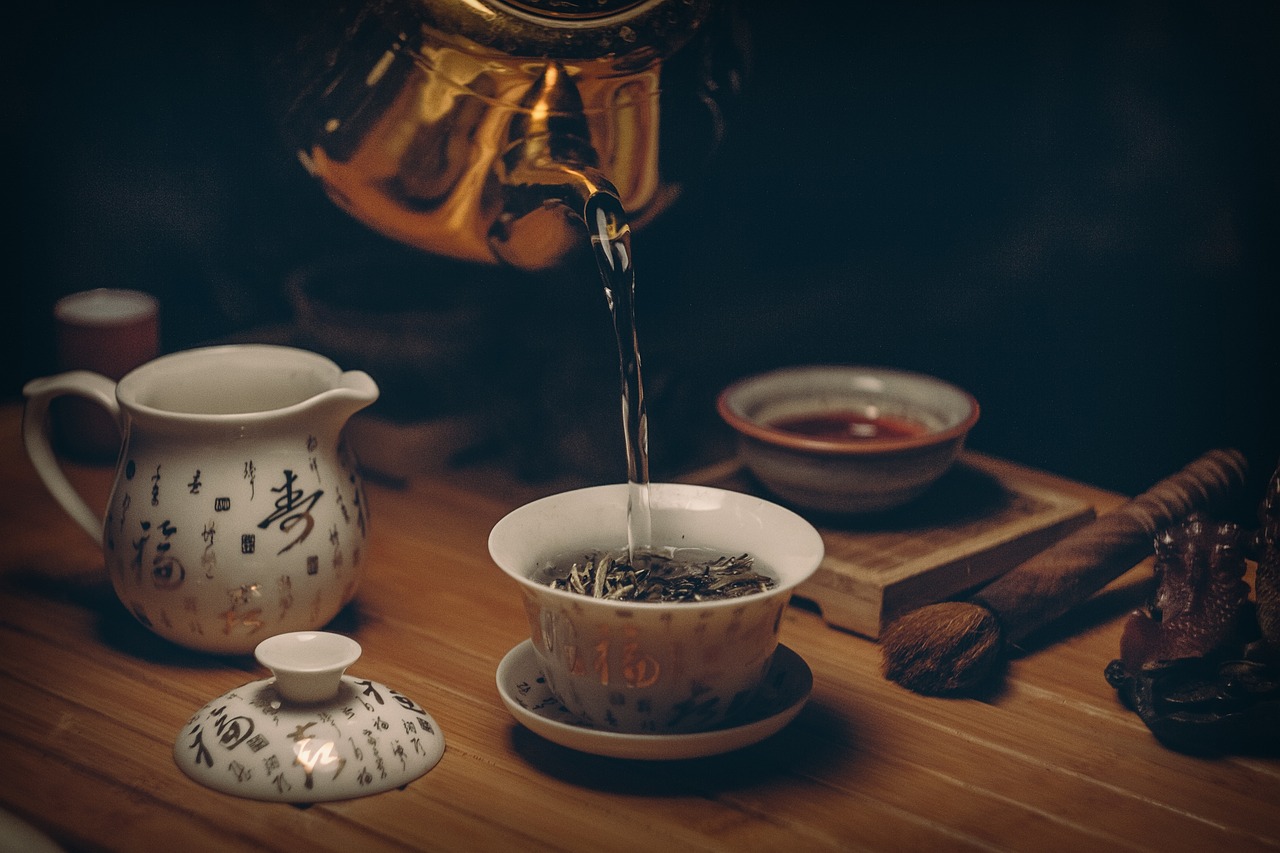
💝 Your Journey with Tea Begins Now
Understanding which tea serves which purpose empowers you to take control of your wellness through simple, enjoyable daily rituals. Each cup becomes an opportunity to support your body’s needs, whether energizing your morning, calming your evening, aiding digestion, or boosting immunity.
Start by selecting one or two teas that address your most pressing needs. Practice mindful preparation and consumption, noticing how your body responds. Gradually expand your collection as you discover favorites and explore new varieties.
Tea offers far more than hydration—it provides connection to ancient wisdom, natural healing compounds, and moments of peace in hectic days. The perfect tea for every occasion awaits your discovery, ready to transform ordinary moments into opportunities for self-care and wellness.
Whether you’re seeking energy without jitters, relaxation without sedation, digestive comfort, immune support, or simply a delicious beverage to mark life’s transitions, the world of tea welcomes you with infinite variety and time-tested benefits. Your perfect cup is waiting. 🍵✨
