Anúncios
Your smartphone can now do much more than just make calls and browse social media—it can become a fully functional remote control for your TV, giving you convenience right at your fingertips.

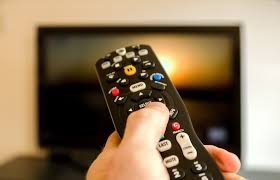
We’ve all been there: settling down for a cozy evening of streaming your favorite shows, only to realize the TV remote is nowhere to be found. Maybe it slipped between the couch cushions, or perhaps the batteries died at the worst possible moment. The frustration is real, but here’s the good news—those days are officially over.
Anúncios
Thanks to modern technology and the power of connectivity, your smartphone can seamlessly replace your traditional TV remote. Whether you’re using an Android device or an iPhone, there are innovative apps and built-in features that transform your mobile into a sophisticated control center for your television. Let’s explore how this technology works and why it’s becoming the preferred choice for millions of users worldwide.
📱 Why Use Your Phone as a TV Remote?
The concept might seem simple, but the benefits extend far beyond just having a backup when your physical remote goes missing. Using your smartphone as a TV remote offers multiple advantages that enhance your overall viewing experience.
Anúncios
First and foremost, convenience plays a huge role. Your phone is almost always within arm’s reach, making it instantly accessible whenever you need to change channels, adjust volume, or navigate through streaming apps. Unlike traditional remotes that can easily get lost, your smartphone is something you naturally keep track of throughout the day.
Additionally, smartphone remotes often provide enhanced functionality compared to standard TV remotes. Many apps include features like voice search, keyboard input for easier text entry, and intuitive touchscreen controls that make navigation smoother and faster. Some apps even offer personalized shortcuts and programmable buttons tailored to your viewing habits.
🔌 The Technology Behind Phone-Based TV Control
Understanding how your phone communicates with your TV helps appreciate the sophistication of this technology. There are primarily two methods that enable this connectivity: infrared (IR) and Wi-Fi/network-based control.
Infrared technology is the traditional method used by physical remotes. Some smartphones, particularly certain Android models, come equipped with built-in IR blasters that emit infrared signals just like conventional remotes. This method works with virtually any TV that accepts IR commands, regardless of how old or new the television is.
The more modern approach utilizes Wi-Fi connectivity. Smart TVs connected to your home network can receive commands from your smartphone through dedicated apps provided by the TV manufacturer or universal remote applications. This method often provides more advanced features and doesn’t require line-of-sight between your phone and TV.
🎯 Setting Up Your Smartphone as a TV Remote
Getting started with your phone as a remote control is surprisingly straightforward, though the exact process varies depending on your TV brand and smartphone model. Let’s walk through the general steps that apply to most setups.
Begin by ensuring both your smartphone and TV are connected to the same Wi-Fi network. This is crucial for network-based remote apps to function properly. Check your TV’s network settings and your phone’s Wi-Fi connection to confirm they’re on the same home network.
Next, download the appropriate remote control app for your device. Many TV manufacturers offer official apps—Samsung has SmartThings, LG provides the LG ThinQ app, Sony offers the TV SideView app, and so on. These manufacturer-specific apps typically offer the most comprehensive control over their respective TV brands.
📲 Universal Remote Apps: One Solution for Multiple Devices
If you have multiple TVs from different brands or prefer a single app to control various devices, universal remote apps are your best bet. These applications support numerous TV brands and models, consolidating control into one convenient interface.
Popular universal remote apps include options that work across both Android and iOS platforms. These apps typically feature extensive device databases that recognize thousands of TV models. During the initial setup, you’ll select your TV brand and model from a list, and the app configures itself accordingly.
The beauty of universal remote apps lies in their versatility. Beyond just TVs, many support control of streaming devices, sound systems, air conditioners, and other smart home appliances. This creates a centralized hub for managing your entire home entertainment system from a single device.

✨ Advanced Features That Enhance Your Experience
Once you’ve set up your smartphone as a TV remote, you’ll discover features that go far beyond basic channel changing and volume control. Modern remote apps incorporate intelligent functionalities that genuinely improve how you interact with your television.
Voice control represents one of the most significant advancements. Instead of typing search queries letter by letter using arrow buttons, you can simply speak what you’re looking for. This feature proves especially useful when searching for specific movies, shows, or YouTube videos, dramatically reducing the time spent navigating menus.
Screen mirroring and content casting are other powerful features available through smartphone remote apps. You can easily share photos, videos, and other media from your phone directly to your TV screen with just a few taps. This transforms your television into an extension of your smartphone, perfect for sharing memories with family or presenting content to groups.
⌨️ Keyboard Input: A Game Changer for Smart TVs
Anyone who has tried entering login credentials or search terms using an on-screen keyboard with arrow buttons knows how tedious the process can be. Smartphone remote apps eliminate this frustration by allowing you to use your phone’s native keyboard.
This feature alone saves countless minutes and reduces the annoyance factor significantly. Whether you’re logging into a streaming service, searching for content, or entering Wi-Fi passwords, typing on your phone’s keyboard is infinitely faster and more accurate than navigating an on-screen keyboard with directional buttons.
Some apps even support predictive text and auto-correction, making text entry even smoother. This seemingly simple feature represents a substantial quality-of-life improvement for smart TV users who frequently interact with apps requiring text input.
🏠 Compatibility Across Different TV Brands
One common question people have is whether their specific TV brand will work with smartphone remote apps. The good news is that compatibility has become increasingly widespread as manufacturers recognize the demand for mobile control options.
Samsung smart TVs work seamlessly with the SmartThings app, which provides comprehensive control over TV functions plus integration with other Samsung smart home devices. The app supports features like ambient mode control, picture settings adjustment, and quick access to streaming apps.
LG televisions pair with the LG ThinQ app, offering similar functionality with LG-specific features like Magic Remote simulation and webOS interface navigation. The app also includes a channel listing feature that displays your current programming guide directly on your smartphone.
Sony TV owners can utilize the Sony TV SideView app for remote control functionality, program guide access, and content discovery features. The app also supports voice search and text input, making navigation considerably easier.
📺 What About Older or Non-Smart TVs?
If you own an older television without smart capabilities, you’re not out of luck. As mentioned earlier, smartphones with IR blasters can control virtually any TV that responds to infrared signals, regardless of age or smart functionality.
For phones without IR blasters, you can purchase affordable IR adapters that plug into your phone’s charging port, effectively adding infrared transmission capability. These small accessories expand compatibility significantly, allowing modern smartphones to control legacy equipment.
Alternatively, streaming devices like Roku, Amazon Fire TV, Apple TV, and Chromecast all offer dedicated smartphone apps that function as remotes. If you use these devices with your older TV, you still gain the convenience of smartphone control for most of your viewing activities.
🔒 Security and Privacy Considerations
Whenever you connect devices within your home network, security becomes an important consideration. Using your smartphone as a TV remote involves network connectivity, so understanding and implementing proper security measures is essential.
Always download remote control apps from official sources—the Google Play Store for Android devices and the Apple App Store for iPhones. This ensures you’re getting legitimate applications that have undergone security vetting rather than potentially malicious imitations.
Keep both your smartphone and TV firmware updated with the latest security patches. Manufacturers regularly release updates that address vulnerabilities and improve overall security. Enabling automatic updates ensures you maintain protection without needing to manually check for new versions.
Use a secure Wi-Fi network with strong password protection. Your home network is the communication channel between your phone and TV, so securing it with WPA3 or at minimum WPA2 encryption prevents unauthorized access to your devices.
🚀 Troubleshooting Common Issues
While smartphone remote apps generally work reliably, occasional issues can arise. Knowing how to troubleshoot common problems helps you quickly restore functionality and minimize disruption to your viewing experience.
Connection failures represent the most frequent issue. If your app can’t find your TV, first verify both devices are connected to the same Wi-Fi network. Sometimes phones accidentally switch to mobile data or different network bands, breaking the connection. Restarting your router, TV, and smartphone often resolves connectivity problems.
Lag or delayed response can occur when your Wi-Fi network is congested or signal strength is weak. Try moving your router closer to your TV, reducing the number of devices connected to your network, or upgrading to a dual-band router that offers less crowded frequency options.
If specific features aren’t working, check that your TV’s firmware is up to date. Manufacturers frequently add and improve app compatibility through software updates, so outdated TV software might lack support for certain remote app functions.
🔄 When to Restart and Reinstall
Sometimes the simplest solution proves most effective. If you’re experiencing persistent problems with your remote app, try these basic troubleshooting steps before diving into more complex solutions.
Force close the remote app completely and restart it. Mobile operating systems sometimes allow apps to continue running in the background with limited resources, which can cause performance issues. Fully closing and reopening the app often resolves minor glitches.
Restart your smartphone. This clears temporary files, resets network connections, and resolves many software-related issues that accumulate during normal operation. A simple restart takes just a minute and fixes surprising numbers of problems.
As a last resort, uninstall and reinstall the remote app. This ensures you have the latest version with all updates properly applied and eliminates any corrupted data that might have accumulated. Just remember to verify you’re reinstalling from the official app store.
💡 Maximizing Your Smartphone Remote Experience
Once you’ve successfully set up and become comfortable with your smartphone remote, several tips and tricks can further enhance your experience and unlock additional convenience.
Create home screen shortcuts or widgets for your remote app. Most smartphones allow you to add app shortcuts to your home screen or lock screen, providing instant access without navigating through your app drawer. This small customization significantly speeds up access when you want to quickly adjust your TV.
Explore automation possibilities if your TV and phone support them. Some smart home ecosystems allow you to create routines—for example, turning on your TV and switching to a specific input when you arrive home, or automatically dimming lights and starting your favorite streaming app with a single command.
Take advantage of multi-device control features. Many universal remote apps allow you to add multiple TVs and devices, making it easy to control different rooms from the same interface. This proves particularly useful in households with several televisions or entertainment areas.
🌟 The Future of TV Control
The evolution of smartphone-based TV control continues to accelerate, with new features and capabilities emerging regularly. Understanding where this technology is heading helps you appreciate the long-term value of adopting smartphone remotes now.
Artificial intelligence integration is becoming more sophisticated, with remote apps learning your viewing preferences and offering personalized content recommendations. Some apps already suggest shows based on your watching history and can predict which streaming service you’ll want to access at different times.
Gesture control represents another frontier, with some apps beginning to support motion-based commands. Imagine adjusting volume with a vertical swipe gesture or changing channels with a horizontal flick—no button pressing required.
Cross-platform integration continues improving, with better interoperability between different manufacturers and ecosystems. The goal is seamless control across all your devices regardless of brand, creating a truly unified smart home entertainment experience.
🎬 Bringing It All Together
Transforming your smartphone into a TV remote represents more than just a convenient backup for lost remotes—it’s a genuine upgrade to how you interact with your television. The enhanced features, improved navigation, and added convenience make smartphone remotes the superior choice for modern viewing.
Whether you have the latest smart TV with full network connectivity or an older model that relies on infrared signals, solutions exist to bring this functionality to your setup. The initial setup takes just minutes, and the ongoing benefits continue enriching your entertainment experience every time you watch TV.
The technology is mature, reliable, and remarkably user-friendly. You don’t need to be tech-savvy to enjoy the advantages of smartphone-based TV control. Download an app, complete a quick setup process, and you’re ready to experience a smarter, more convenient way to control your television.
As traditional remotes continue to disappear into couch cushions and run out of batteries at inconvenient moments, your smartphone remains charged, accessible, and always ready to serve as your entertainment control center. Embrace this technology today and discover just how much easier and more enjoyable TV watching can become when your remote is simply another function of the device already in your pocket. 📱✨
