
Anúncios
Your pet’s health begins with what’s in their bowl. But do you really know if their food delivers what the label promises? 🐾



Every pet owner wants the best for their furry companion. We spend hours researching the perfect food, reading reviews, and comparing brands. Yet, despite our best efforts, the truth about what’s actually inside that bag of kibble remains a mystery wrapped in marketing claims and glossy packaging.
Anúncios
The pet food industry has grown exponentially, offering countless options that promise complete nutrition, premium ingredients, and optimal health benefits. But how can you verify these claims? How do you know if the protein content matches the label, or if those “natural ingredients” are truly present in meaningful quantities?
The Hidden Truth Behind Pet Food Labels 🔍
Pet food labels can be deceiving. While regulations require manufacturers to list ingredients and guaranteed analysis, there’s significant room for interpretation. The order of ingredients matters, but percentages aren’t always disclosed. Terms like “natural,” “premium,” and “holistic” often lack standardized definitions in the pet food industry.
Anúncios
Many pet owners assume that expensive brands automatically mean better quality. However, price doesn’t always correlate with nutritional value. Some budget-friendly options deliver excellent nutrition, while certain premium brands may rely more on marketing than substance.
The guaranteed analysis on pet food packages typically shows minimum or maximum values for protein, fat, fiber, and moisture. But this doesn’t tell you about the bioavailability of these nutrients, their quality, or whether synthetic additives are filling nutritional gaps.
What Really Matters in Pet Nutrition
Understanding your pet’s nutritional needs is fundamental. Dogs and cats are different species with distinct dietary requirements. Cats are obligate carnivores, requiring animal-based proteins and specific amino acids like taurine. Dogs are omnivores with more flexibility, but still thrive on protein-rich diets.
Key nutritional components include:
- High-quality protein sources (chicken, beef, fish, lamb)
- Essential fatty acids for skin and coat health
- Digestible carbohydrates for energy
- Vitamins and minerals for immune function
- Fiber for digestive health
The source of these nutrients matters tremendously. Animal-based proteins are more bioavailable than plant-based alternatives. Whole meat ingredients provide better nutrition than meat by-products or meals, though quality meat meals can still be valuable protein sources.
Why Traditional Methods Fall Short 📋
Most pet owners rely on reading labels, consulting veterinarians, or following online recommendations. While these approaches have merit, they don’t provide real-time verification of what you’re actually feeding your pet.
Label reading requires expertise in understanding ingredient splitting, where manufacturers divide similar ingredients to push meat higher on the list. For example, a food might list chicken first, but then include corn, corn gluten meal, and corn bran separately, meaning corn could actually be the primary ingredient.
Veterinary recommendations are valuable but often based on brand relationships rather than ingredient analysis of specific products. Even well-meaning veterinarians may not have current information about formula changes or manufacturing issues that affect nutritional content.
The Innovation Your Pet Deserves
Technology has revolutionized how we approach nutrition for ourselves, and now it’s transforming pet care. Imagine holding the power to instantly decode any pet food package, revealing the true nutritional content beyond marketing claims and ambiguous labeling.
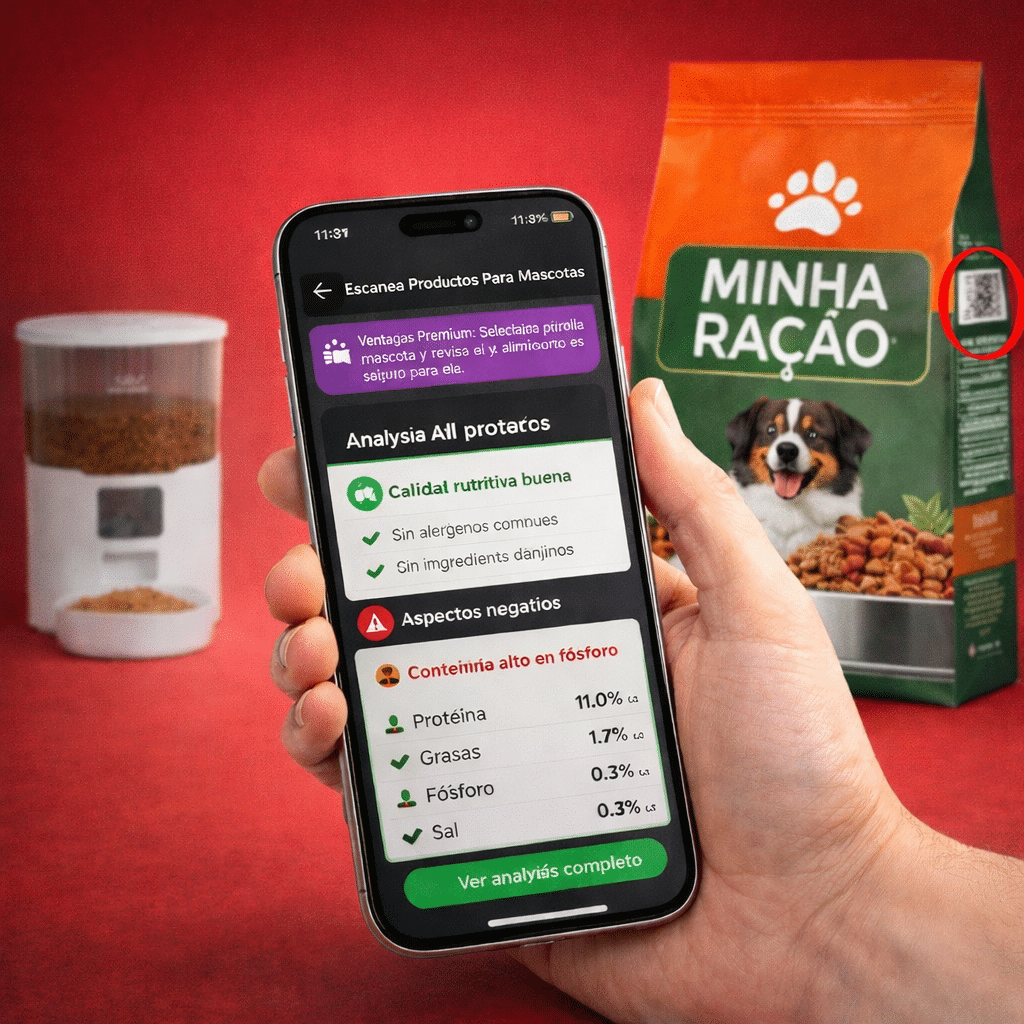
This scanner technology works by accessing comprehensive databases that contain detailed nutritional information verified through independent testing and analysis. Simply scan the barcode on any pet food package, and within seconds, you’ll receive a complete breakdown of actual nutrients, ingredient quality ratings, and potential concerns.

How Scanner Technology Works for Pet Food 🔬
The science behind pet food scanners combines barcode recognition with extensive nutritional databases. When you scan a product, the app retrieves information from multiple sources, including manufacturer data, independent laboratory testing, and regulatory filings.
Advanced algorithms then analyze this information against established nutritional standards for pets. The system considers factors like your pet’s age, breed, size, and activity level to provide personalized recommendations about whether a particular food meets their specific needs.
Unlike simple label readers, these scanners evaluate ingredient quality, not just quantity. They can identify potentially harmful additives, controversial ingredients like by-products or fillers, and flag foods with recall histories or manufacturing concerns.
Understanding Your Scan Results
When you receive your scan results, you’ll see several key categories of information. The nutritional breakdown shows actual protein, fat, carbohydrate, and calorie content per serving. This goes beyond the guaranteed analysis to provide real-world nutritional values.
Ingredient quality ratings help you understand whether proteins come from named animal sources or generic “meat” ingredients. You’ll learn about the presence of artificial preservatives, colors, or flavors that might trigger sensitivities in your pet.
The app also provides alerts about common allergens, helping owners of pets with food sensitivities avoid problematic ingredients. This feature alone can save hundreds of dollars in veterinary bills and eliminate weeks of trial-and-error food testing.
Signs Your Pet’s Current Food Isn’t Working ⚠️
Even if you’re feeding a well-known brand, your pet might be showing signs that their nutrition isn’t optimal. Recognizing these indicators helps you make informed decisions about switching foods or investigating ingredients more closely.
Digestive issues are common red flags. Chronic diarrhea, constipation, excessive gas, or vomiting after meals often indicate that your pet isn’t tolerating their food well. While occasional digestive upset happens, persistent problems suggest incompatibility with current nutrition.
Skin and coat problems frequently relate to diet. Dull, dry, or brittle fur, excessive shedding, hot spots, or persistent itching can all signal nutritional deficiencies or ingredient sensitivities. Essential fatty acids are often the culprit, but protein quality matters too.
Behavioral and Energy Changes
Unexpected lethargy or hyperactivity can stem from inappropriate nutrition. Too many carbohydrates might cause energy spikes and crashes. Insufficient protein can lead to muscle loss and decreased vitality, particularly in active or senior pets.
Weight changes deserve attention. Unexplained weight gain despite proper portions might indicate low-quality ingredients that promote fat storage rather than lean muscle development. Conversely, weight loss on adequate portions suggests poor nutrient absorption.
- Increased thirst and urination (possible kidney stress)
- Bad breath beyond normal pet odor (digestive issues)
- Lack of interest in food (palatability or sensitivity problems)
- Excessive eating without satisfaction (nutrient-poor food)
- Behavioral changes like aggression or anxiety (nutritional imbalances)
Making the Switch to Better Nutrition 🥘
Once you’ve identified that your pet’s current food isn’t meeting their needs, transitioning to better nutrition requires strategy. Abrupt food changes can cause digestive upset, even when switching to higher-quality options.
The standard transition period spans seven to ten days. Begin by mixing 25% new food with 75% old food for the first two to three days. Gradually increase the new food proportion every few days until you’ve completely transitioned.
Monitor your pet closely during this period. Some digestive adjustment is normal, but severe symptoms warrant slowing the transition or consulting your veterinarian. Keep a journal noting any changes in stool quality, energy levels, or eating patterns.
Reading Beyond Marketing Claims
Armed with scanner technology, you can evaluate marketing claims objectively. Terms like “grain-free,” “human-grade,” or “all-natural” sound appealing but don’t automatically indicate superior nutrition.
Grain-free foods gained popularity but aren’t necessary for all pets. Some grain-free formulas substitute potatoes or legumes, which may pose their own concerns. The key is ingredient quality and appropriate balance, not eliminating entire food categories without cause.
Human-grade certification means ingredients meet USDA standards for human consumption, suggesting higher quality control. However, it doesn’t guarantee optimal pet nutrition, as pets have different dietary needs than humans.
The Financial Impact of Poor Nutrition 💰
Investing in quality pet food seems expensive until you consider the alternative costs. Poor nutrition contributes to numerous health problems that result in veterinary expenses far exceeding food savings.
Chronic conditions like allergies, digestive disorders, and skin problems require ongoing treatment. Prescription medications, special diets, and frequent vet visits quickly surpass the cost difference between budget and premium foods.
Preventive nutrition through verified quality food reduces long-term healthcare costs. Pets eating appropriate nutrition experience fewer health issues, maintain healthier weights, and often live longer, higher-quality lives.
| Health Issue | Related to Poor Nutrition | Average Annual Cost |
|---|---|---|
| Food Allergies | Yes | $500-$1,500 |
| Obesity | Yes | $1,000-$3,000 |
| Dental Disease | Partially | $400-$1,200 |
| Digestive Issues | Yes | $300-$2,000 |
| Skin Conditions | Often | $200-$1,000 |
Empowering Your Pet Care Journey 🌟
Taking control of your pet’s nutrition doesn’t require a degree in animal science. With the right tools, any pet owner can make informed decisions that dramatically improve their companion’s health and happiness.
Scanner technology democratizes access to nutritional information previously available only to industry professionals. You no longer need to trust marketing campaigns or rely solely on brand reputation. Objective data puts you in the driver’s seat of your pet’s wellness journey.
This empowerment extends beyond food selection. Understanding nutrition helps you recognize when health problems might have dietary solutions, communicate more effectively with veterinarians, and advocate for your pet’s best interests.
Building a Comprehensive Wellness Plan
Nutrition forms the foundation of pet health, but comprehensive wellness includes regular veterinary care, appropriate exercise, mental stimulation, and preventive care. Think of quality food as the cornerstone supporting all other health interventions.
Regular scanning of your pet’s food ensures consistency even within trusted brands. Manufacturers occasionally reformulate products, and recipes can vary between production facilities. Periodic verification maintains the quality standards you expect.
Share your findings with other pet owners. Building a community of informed pet parents raises standards across the industry. When consumers demand transparency and quality, manufacturers respond with better products.
Your Pet’s Health Starts Today 🐕
Every meal represents an opportunity to nourish your pet properly or contribute to gradual health decline. The choice seems obvious, yet without reliable information, making the right decision has been unnecessarily difficult.
Scanner technology eliminates the guesswork, uncertainty, and false promises that have plagued the pet food industry for decades. Within seconds, you gain clarity about what you’re really feeding the animal who depends on you for everything.
Your pet can’t research nutrition, read labels, or advocate for better food. They trust you completely to make these critical decisions. Honoring that trust means using every available tool to ensure their food delivers genuine nutrition, not just clever marketing.
The scanner solution isn’t about perfection or expensive boutique brands. It’s about transparency, informed choices, and confidence that your pet’s bowl contains nutrition worthy of their unconditional love and loyalty.
Don’t wait for health problems to signal nutritional deficiencies. Take proactive steps today to verify that your pet’s food meets the standards they deserve. Their vitality, longevity, and quality of life depend on the decisions you make right now. 💚
