
Anúncios
Your birth chart is a cosmic blueprint that reveals your personality, potential, and life path—understanding it can transform how you navigate relationships, career, and personal growth.

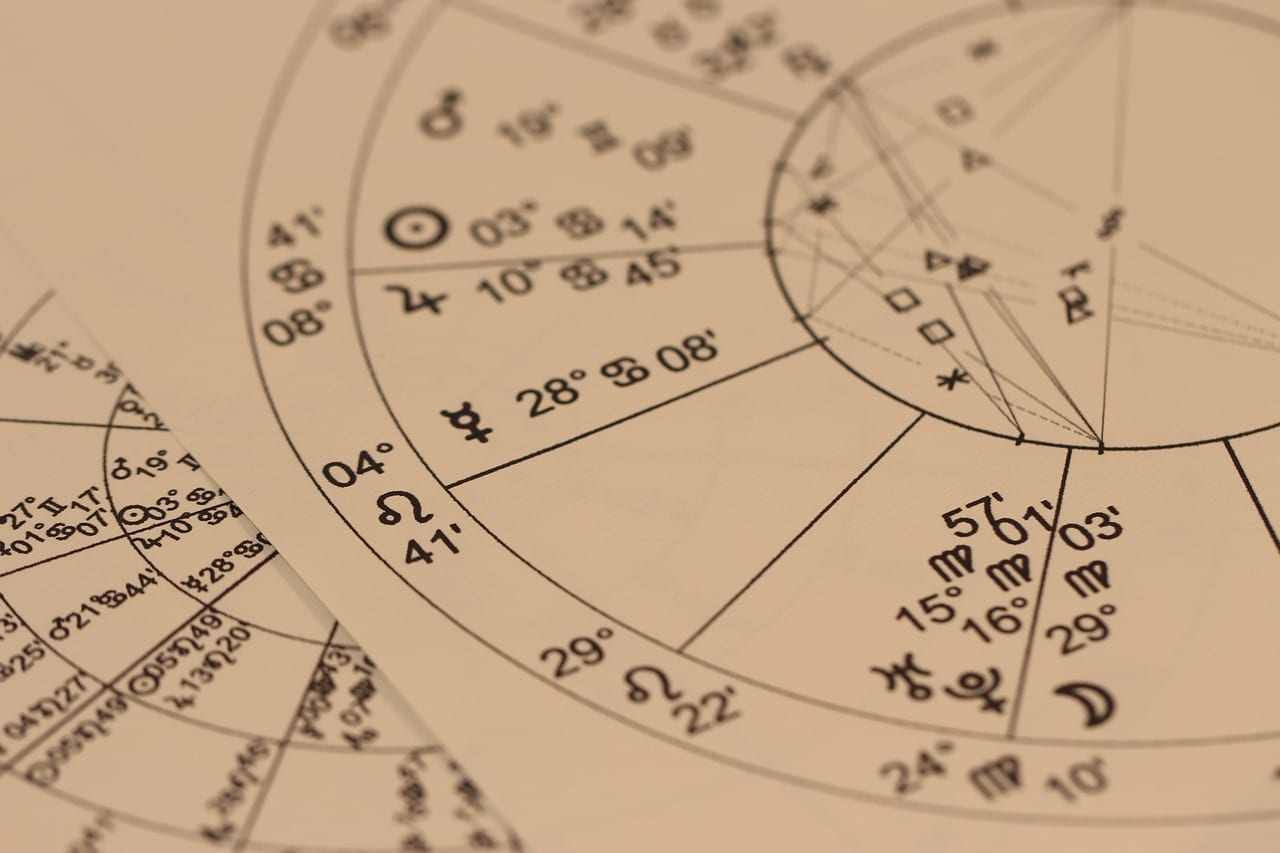
Astrology has fascinated humanity for millennia, offering insights into our inner workings and the energies that shape our experiences. Your birth chart, also known as a natal chart, is a snapshot of the sky at the exact moment and location of your birth. It’s far more than just your sun sign—it’s a complex map showing where all the planets were positioned, revealing layers of your personality and destiny.
Anúncios
Keeping track of your birth chart isn’t just about reading your horoscope once a month. It’s about understanding the ongoing cosmic influences through transits, progressions, and planetary movements that interact with your natal placements. This dynamic relationship between your birth chart and the current sky can guide you through life’s challenges and opportunities with greater awareness and confidence.
🌟 What Exactly Is a Birth Chart?
A birth chart is essentially a celestial photograph. Imagine the universe frozen at the precise second you took your first breath. The positions of the sun, moon, and planets across the twelve zodiac signs and twelve houses create a unique pattern that never repeats exactly the same way for anyone else.
Anúncios
This chart consists of several key components that work together to describe different aspects of your life. The sun represents your core identity and conscious ego. The moon governs your emotional landscape and subconscious patterns. Mercury influences how you communicate and process information, while Venus shapes your approach to love and beauty.
Mars drives your ambition and assertiveness, Jupiter expands your horizons and brings luck, and Saturn teaches discipline through challenges. The outer planets—Uranus, Neptune, and Pluto—represent generational influences and deeper transformative forces. The rising sign or ascendant describes how you present yourself to the world, while the houses indicate which life areas these planetary energies manifest most strongly.
📱 Modern Tools for Tracking Your Cosmic Blueprint
Gone are the days when you needed to consult an astrologer in person or manually calculate planetary positions using complex mathematical tables. Today’s technology has democratized access to astrological wisdom, making it easier than ever to generate, read, and track your birth chart.
Smartphone applications now offer sophisticated features that were once available only to professional astrologers. These tools can generate your complete birth chart in seconds, provide detailed interpretations of each placement, and alert you to significant transits affecting your natal planets.
Many apps offer daily personalized horoscopes based on your specific chart rather than just your sun sign. They can track planetary retrogrades, moon phases, and other celestial events that might influence your mood, energy levels, and circumstances. Some even include compatibility features, allowing you to compare your chart with friends, family, or romantic partners.
The best applications combine traditional astrological wisdom with user-friendly interfaces. They make complex concepts accessible to beginners while offering enough depth to satisfy experienced astrology enthusiasts. Features like push notifications for important transits, journaling tools to track correlations between cosmic events and life experiences, and educational content help you deepen your understanding over time.
🔮 Understanding Transits and Why They Matter
Your birth chart is static—it never changes. However, the planets continue moving through the zodiac after you’re born, creating what astrologers call transits. These moving planets form angles (called aspects) to the planets in your birth chart, activating different energies and themes in your life.
When Jupiter transits your natal sun, you might experience expansion, growth opportunities, and increased confidence. When Saturn crosses your moon, you could face emotional challenges that ultimately strengthen your emotional maturity. Understanding these transits helps you prepare for upcoming changes and make sense of current experiences.
Some transits are quick, lasting only a day or two, like those from the moon or sun. Others persist for months or even years, particularly those involving the slower-moving outer planets. A Pluto transit to a personal planet can represent a multi-year transformation in a specific life area, while a Mercury transit might only influence a few days of communication or decision-making.
Major Transit Cycles to Watch
Certain planetary returns and transits mark significant life chapters. Your Saturn return, occurring around ages 29 and 58, represents major maturity milestones and often brings career changes, relationship shifts, or identity redefinition. Your Jupiter return every twelve years brings opportunities for growth and expansion.
The lunar nodes shift signs approximately every 18 months, highlighting different life themes related to your destiny and karmic lessons. Eclipse seasons, occurring roughly every six months, often coincide with fated events, sudden changes, and revelations that push you toward your evolutionary path.
Retrograde periods, especially Mercury retrograde occurring three to four times yearly, are infamous for communication breakdowns, technology glitches, and the need to review and revise rather than launch new ventures. Tracking these cycles helps you work with cosmic timing rather than against it.
💫 The Houses: Where Life Happens
While signs describe how planetary energies express themselves, houses show where in your life these energies play out. The twelve houses correspond to different life domains, from identity and resources to relationships and career.
A primeira representa sua autoimagem, seu corpo físico e como você inicia suas ações. O segundo rege o dinheiro, os bens e os valores. A terceira regra é a comunicação, os irmãos e as viagens curtas. O quarto elemento representa o lar, a família e os alicerces emocionais.
Quando os planetas em trânsito passam por essas casas no seu mapa astral, eles ativam as áreas correspondentes da sua vida. Júpiter transitando pela sua sétima casa pode trazer oportunidades de relacionamento, enquanto Saturno transitando pela sua décima pode exigir foco e reestruturação na carreira.
🌙 Lunar Phases and Your Emotional Rhythms
The moon completes its cycle through all twelve zodiac signs roughly every 28 days, spending about two and a half days in each sign. Tracking the moon’s movement through your chart helps you understand your emotional fluctuations and optimize activities based on lunar energy.
When the moon transits compatible signs to your natal moon, you typically feel more emotionally balanced and supported. When it moves through challenging signs, you might experience sensitivity, mood swings, or emotional triggers that reveal unhealed wounds needing attention.
New moons represent planting seeds and setting intentions, especially powerful when they occur in houses or signs significant in your natal chart. Full moons bring culmination, revelation, and release, often highlighting the axis of opposite houses in your chart and requiring balance between those life areas.
Tracking Your Personal Moon Cycle
Pay attention to when the transiting moon returns to its natal position in your chart each month—your personal lunar return. This day often brings emotional clarity, heightened intuition, and a natural reset point for emotional patterns.
Notice which houses the moon activates as it moves through your chart. When it transits your fourth house, focus on home and family. During its passage through your tenth, professional matters take emotional precedence. This awareness helps you plan activities when cosmic support aligns with your intentions.
⚡ Aspects: The Conversation Between Planets
Planets don’t exist in isolation—they form geometric relationships called aspects that describe how their energies interact. In your natal chart, these aspects create your personality’s complexity, blending different planetary principles into your unique expression.
Conjunctions occur when planets occupy the same zodiac degree, fusing their energies. Trines (120 degrees apart) and sextiles (60 degrees apart) represent harmonious flow and natural talents. Squares (90 degrees apart) create tension and challenges that drive growth. Oppositions (180 degrees apart) require balance and integration of seemingly contradictory energies.
When transiting planets form aspects to your natal planets, they activate these natal patterns. A transiting planet forming a trine to your natal Venus might bring easy social connections and pleasant experiences, while a square could challenge your relationships or values, prompting necessary adjustments.
🎯 Using Your Chart for Personal Development
Understanding your birth chart isn’t about fatalism—it’s about self-awareness and conscious choice. Your chart reveals potentials, tendencies, and timing, but you always retain free will in how you express these energies.
Challenging aspects aren’t curses but invitations to develop qualities that don’t come naturally. A difficult Saturn placement might indicate where you face obstacles, but it also shows where you can develop exceptional mastery through persistent effort. A hard Mars aspect could manifest as aggression or as courageous leadership, depending on how consciously you work with that energy.
Your chart also highlights natural strengths and talents that might be underutilized. Many people focus so much on their sun sign that they ignore powerful placements in other planets or houses that could unlock hidden potential.
Practical Application Strategies
Keep an astrological journal noting significant transits and corresponding life events. Over time, you’ll recognize patterns in how cosmic energies manifest specifically for you. This personalized knowledge becomes more valuable than any generic horoscope.
Before making major decisions, consult your chart for timing. Launching a business during your Jupiter return to a favorable house differs dramatically from starting during a challenging Saturn transit. While you shouldn’t let astrology paralyze your decision-making, using it as one tool among many provides helpful perspective.
Use challenging transits as prompts for inner work rather than passive suffering. If Saturn squares your moon, that’s an ideal time for therapy, emotional boundary-setting, or addressing family patterns. Conscious engagement with the energy transforms obstacles into evolutionary opportunities.
🌍 Compatibility: Understanding Relationships Through Charts
Synastry, the comparison of two birth charts, reveals relationship dynamics with remarkable accuracy. When you understand how your planets interact with another person’s chart, you gain compassion for differences and strategies for navigating conflicts.
Some connections feel instantly easy because your charts contain many harmonious aspects—your Venus trines their Mars, your moons are in compatible elements. Other relationships require more conscious effort because challenging aspects create friction, though these tensions often drive the most significant personal growth.
No aspect determines whether a relationship will succeed or fail. Challenging aspects simply indicate areas requiring awareness, communication, and compromise. The most lasting relationships often include both harmony and constructive challenge.
🧘 Integrating Astrology with Other Growth Practices
Astrology works beautifully alongside meditation, therapy, journaling, and other personal development practices. It provides a symbolic language for understanding psychological patterns and life cycles that complement other frameworks.
Many people find that astrology validates their intuitive self-knowledge, giving language to feelings and patterns they’ve sensed but couldn’t articulate. This validation itself can be healing, especially for those who’ve felt misunderstood or struggled to fit conventional expectations.
Combine astrological timing with practical goal-setting. Use Jupiter transits for expansion and risk-taking, Saturn transits for consolidation and discipline, and eclipse seasons for releasing what no longer serves your evolution.
✨ Staying Updated Without Overwhelm
With so many astrological events occurring constantly, it’s easy to become overwhelmed trying to track everything. Focus on major transits involving slower planets to your natal chart’s most significant placements—your sun, moon, rising sign, and chart ruler.
You don’t need to analyze every moon phase or minor aspect. Instead, develop awareness of your chart’s most sensitive degrees and pay attention when transiting planets activate those points. Quality of understanding matters far more than quantity of information.
Set boundaries with astrological content. While daily horoscopes can be entertaining and occasionally insightful, constantly seeking cosmic permission for every decision undermines your personal agency. Use astrology as a tool for self-reflection, not a replacement for critical thinking.
🔑 Making Your Birth Chart Work for You
Your birth chart is ultimately a tool for self-understanding and conscious living. It doesn’t predict a fixed future but illuminates patterns, potentials, and timing that help you make empowered choices aligned with your authentic nature.
The more you work with your chart, noticing correlations between transits and life experiences, the more personalized and practical your astrological knowledge becomes. This isn’t about memorizing textbook interpretations but developing an intuitive relationship with cosmic cycles as they uniquely express through your life.
Whether you’re new to astrology or have studied it for years, staying connected to your birth chart offers ongoing insights that support your growth, relationships, and life direction. In a world that often feels chaotic and unpredictable, your chart provides a meaningful framework for understanding your journey and navigating life’s inevitable changes with greater wisdom and grace.
Embrace this ancient practice with curiosity and openness, allowing the cosmos to mirror back your complexity, beauty, and evolutionary potential. Your birth chart isn’t your destiny—it’s your cosmic starting point for creating the life you’re meant to live.
