
Anúncios
Joint pain can be debilitating, affecting your daily activities and overall quality of life. Fortunately, nature offers powerful remedies, and certain herbal teas can provide significant relief.



For centuries, traditional medicine has relied on botanical remedies to address inflammation and discomfort in the joints. Modern research now validates what ancient healers knew intuitively: specific plants contain compounds that can reduce swelling, ease pain, and improve mobility.
Anúncios
Whether you’re dealing with arthritis, sports injuries, or age-related joint deterioration, incorporating the right herbal teas into your wellness routine can make a remarkable difference. Let’s explore the most effective teas for joint health and how to use them properly.
🍵 Understanding How Tea Helps Joint Pain
The connection between tea consumption and joint relief isn’t mystical—it’s biochemical. Many herbs contain potent anti-inflammatory compounds, antioxidants, and analgesic properties that target the root causes of joint discomfort.
Anúncios
When you experience joint pain, inflammation is typically the culprit. Your body’s immune response sends white blood cells to the affected area, causing swelling, redness, and pain. Certain phytonutrients in herbal teas can modulate this inflammatory response without the side effects associated with pharmaceutical options.
Additionally, some teas improve circulation, delivering essential nutrients to cartilage and surrounding tissues. This enhanced blood flow supports the body’s natural healing processes and helps remove metabolic waste products that contribute to stiffness and soreness.
🌿 Top Teas for Combating Joint Pain
Ginger Tea: The Inflammation Fighter
Ginger ranks among the most powerful natural anti-inflammatories available. This knobby root contains gingerols and shogaols—compounds that inhibit inflammatory pathways similar to NSAIDs but without gastric irritation.
Research published in arthritis journals demonstrates that regular ginger consumption can reduce joint pain severity by up to 40%. The spicy warmth you feel when drinking ginger tea indicates improved circulation, which brings healing nutrients to damaged joints.
To prepare effective ginger tea, slice fresh ginger root thinly and steep in boiling water for 10-15 minutes. The longer steeping time extracts more beneficial compounds. Adding a touch of honey and lemon enhances both flavor and therapeutic value.
Turmeric Tea: The Golden Healer
Turmeric’s active ingredient, curcumin, has been extensively studied for its remarkable anti-inflammatory properties. This vibrant yellow spice works at the molecular level to block inflammatory cytokines and enzymes.
Studies comparing curcumin to ibuprofen found comparable effectiveness for reducing joint pain and improving function. However, curcumin absorption can be challenging, which is why combining turmeric with black pepper (which contains piperine) increases bioavailability by up to 2000%.
Create a therapeutic turmeric tea by simmering one teaspoon of turmeric powder with a pinch of black pepper in water or milk for 10 minutes. The addition of healthy fats like coconut oil further enhances absorption since curcumin is fat-soluble.
Green Tea: The Antioxidant Powerhouse
Beyond its well-known general health benefits, green tea specifically supports joint health through its high concentration of polyphenols, particularly EGCG (epigallocatechin gallate).
Research indicates that EGCG can reduce cartilage degradation and suppress inflammatory markers associated with arthritis. Regular green tea consumption has been linked to reduced joint damage progression in people with rheumatoid arthritis.
For optimal benefits, brew green tea at 160-180°F (not boiling) for 2-3 minutes. Overheating destroys beneficial compounds. Aim for 3-4 cups daily, spacing them throughout the day for sustained anti-inflammatory effects.
Willow Bark Tea: Nature’s Aspirin
Willow bark contains salicin, which the body converts to salicylic acid—the same active compound found in aspirin. This makes it exceptionally effective for pain relief without synthetic chemicals.
Traditional healers have used willow bark for thousands of years to treat various painful conditions. Modern studies confirm its effectiveness for reducing joint pain and improving physical function in people with osteoarthritis and lower back pain.
Prepare willow bark tea by steeping 1-2 teaspoons of dried bark in hot water for 10 minutes. Start with smaller amounts to assess your tolerance, as it can thin the blood similarly to aspirin.

Nettle Tea: The Nutrient-Dense Option
Stinging nettle may seem like an unlikely medicinal herb given its irritating hairs, but when dried and brewed as tea, it becomes a powerful ally against joint pain.
Nettle contains compounds that interfere with inflammatory pathways and may reduce levels of inflammatory cytokines. It’s particularly rich in minerals like calcium, magnesium, and iron—all essential for maintaining healthy bones and connective tissue.
Studies show that nettle extract can reduce pain and improve function in people with osteoarthritis when taken regularly. Steep dried nettle leaves for 5-10 minutes and drink 2-3 cups daily for best results.
Cat’s Claw Tea: The Amazonian Secret
This vine from the Amazon rainforest has been used traditionally to treat arthritis and inflammation. Cat’s claw contains alkaloids and other compounds with proven anti-inflammatory and immune-modulating properties.
Clinical trials have demonstrated that cat’s claw can reduce joint pain and swelling in rheumatoid arthritis patients. It works by inhibiting tumor necrosis factor-alpha, a key inflammatory mediator.
Brew cat’s claw tea by steeping one teaspoon of the inner bark in hot water for 15 minutes. Because of its potency, consult with a healthcare provider before using it regularly, especially if you take immunosuppressant medications.
💡 Maximizing the Benefits of Joint-Supporting Teas
Optimal Brewing Techniques
The way you prepare herbal tea significantly impacts its therapeutic effectiveness. Temperature, steeping time, and water quality all matter when extracting beneficial compounds.
Use filtered or spring water rather than tap water, which may contain chlorine and other chemicals that interfere with delicate plant compounds. For roots and bark, longer steeping times or even simmering extracts more active ingredients.
Leaves and flowers generally require shorter steeping—usually 5-10 minutes. Covering your tea while it steeps prevents volatile oils from escaping with the steam, ensuring you receive the full therapeutic benefit.
Timing and Consistency Matter
Joint pain relief from herbal teas doesn’t happen overnight. These natural remedies work cumulatively, with benefits building over weeks of consistent use.
Drinking tea at strategic times enhances effectiveness. Morning consumption jumpstarts your anti-inflammatory defenses for the day ahead. An evening cup can reduce nighttime stiffness and improve sleep quality, which is crucial for joint recovery.
Consistency trumps occasional high doses. Regular daily consumption of moderate amounts produces better results than sporadic use of larger quantities.
Creating Synergistic Blends
Combining multiple therapeutic herbs often produces superior results compared to single-herb teas. Different plants work through various mechanisms, providing comprehensive joint support.
A popular anti-inflammatory blend combines ginger, turmeric, and green tea. Another effective combination pairs willow bark with nettle and rosehips for pain relief plus nutritional support.
Experiment with different combinations to find what works best for your body. Keep a journal noting which blends provide the most relief and any changes in pain levels or mobility.
🥗 Supporting Joint Health Beyond Tea
Dietary Considerations
While herbal teas provide significant benefits, they work best as part of a comprehensive anti-inflammatory lifestyle. Your overall diet plays a crucial role in managing joint pain.
Foods rich in omega-3 fatty acids—like wild-caught fish, walnuts, and flaxseeds—reduce inflammatory markers throughout the body. Colorful fruits and vegetables provide antioxidants that protect joint tissues from oxidative damage.
Conversely, certain foods exacerbate inflammation. Processed sugars, refined carbohydrates, and excessive omega-6 fatty acids from vegetable oils can worsen joint pain. Reducing these inflammatory foods amplifies the benefits you receive from therapeutic teas.
Movement and Exercise
It might seem counterintuitive, but appropriate movement is essential for managing joint pain. Gentle exercise increases synovial fluid production, which lubricates joints and delivers nutrients to cartilage.
Low-impact activities like swimming, cycling, and yoga provide movement without excessive stress. Strength training builds supportive muscles around joints, reducing the load on damaged cartilage.
Combining regular movement with anti-inflammatory tea consumption creates a synergistic effect. The improved circulation from exercise helps distribute beneficial compounds from your tea throughout your body more effectively.
Stress Management
Chronic stress elevates cortisol and other hormones that promote inflammation. High stress levels can intensify joint pain perception and slow healing processes.
The simple ritual of preparing and sipping tea provides a mindfulness practice that reduces stress. The warmth, aroma, and focused attention create a calming experience that benefits both mind and body.
Consider incorporating meditation, deep breathing, or gentle stretching into your tea-drinking routine. This holistic approach addresses both the physical and emotional dimensions of chronic pain.
⚠️ Important Precautions and Considerations
Potential Interactions and Side Effects
While herbal teas are generally safe, they’re not completely without risks. Some herbs interact with medications or aren’t appropriate for people with certain conditions.
Willow bark and ginger can thin blood, potentially interacting with anticoagulant medications. Turmeric may affect blood sugar levels, requiring caution for diabetics. Cat’s claw influences immune function, which could interfere with immunosuppressive therapies.
Always inform your healthcare providers about any herbal remedies you’re using. This transparency ensures they can monitor for potential interactions and adjust prescriptions if necessary.
Quality and Sourcing Matter
Not all herbal products are created equal. Quality varies dramatically between brands, affecting both safety and effectiveness.
Choose organic herbs when possible to minimize pesticide exposure. Reputable suppliers provide third-party testing results confirming purity and potency. Avoid extremely cheap products, which may contain fillers, contaminants, or ineffective plant parts.
Fresh herbs or recently dried products contain higher concentrations of active compounds. Check packaging dates and store herbs properly in airtight containers away from light and heat to preserve their medicinal properties.
When to Seek Professional Help
Herbal teas can provide remarkable relief for many people, but they’re not appropriate for every situation. Severe or rapidly worsening joint pain requires professional medical evaluation.
Sudden onset of intense joint pain, especially accompanied by fever, could indicate infection or other serious conditions requiring immediate treatment. Progressive joint damage may need more aggressive interventions to prevent permanent disability.
View herbal remedies as complementary tools that work alongside, not instead of, appropriate medical care. The most effective approach often combines conventional treatments with natural supportive therapies.
🌟 Real Results: What to Expect
Short-Term Benefits
Some people notice initial improvements within days of starting a therapeutic tea regimen. Reduced morning stiffness, improved range of motion, and decreased pain levels often appear first.
Warming teas like ginger create an immediate sensation of increased circulation, which can provide quick comfort. The ritual itself—taking time for self-care—often improves mood and pain perception even before biochemical changes occur.
However, realistic expectations are important. Herbal remedies typically work more gently than pharmaceutical options. The tradeoff is fewer side effects and sustainable long-term use.
Long-Term Improvements
The most significant benefits emerge with consistent use over months. Many people report gradually needing less pain medication, improved mobility, and better quality of life.
Long-term anti-inflammatory effects can slow joint degradation and potentially reduce the need for surgical interventions. Regular tea consumption becomes a preventive strategy, not just a reactive treatment.
Track your progress through photos, measurements of range of motion, pain scales, or activity logs. These objective markers help you appreciate gradual improvements that might otherwise go unnoticed.
🔄 Building a Sustainable Tea Routine
Success with herbal remedies requires making them a regular part of your lifestyle. Start by identifying convenient times to incorporate tea drinking into your existing schedule.
Prepare ingredients in advance—portion out tea blends for the week or pre-slice fresh ginger and store it properly. Keep a thermal carafe to brew larger batches that stay warm throughout the day.
Make the experience enjoyable with a favorite mug, pleasant setting, or pairing your tea time with activities you love like reading or listening to music. When something feels good, you’re more likely to maintain the habit.
Consider rotating different teas throughout the week to prevent boredom and provide your body with a variety of beneficial compounds. Monday might be ginger-turmeric day, while Wednesday features nettle-rosehip blend.
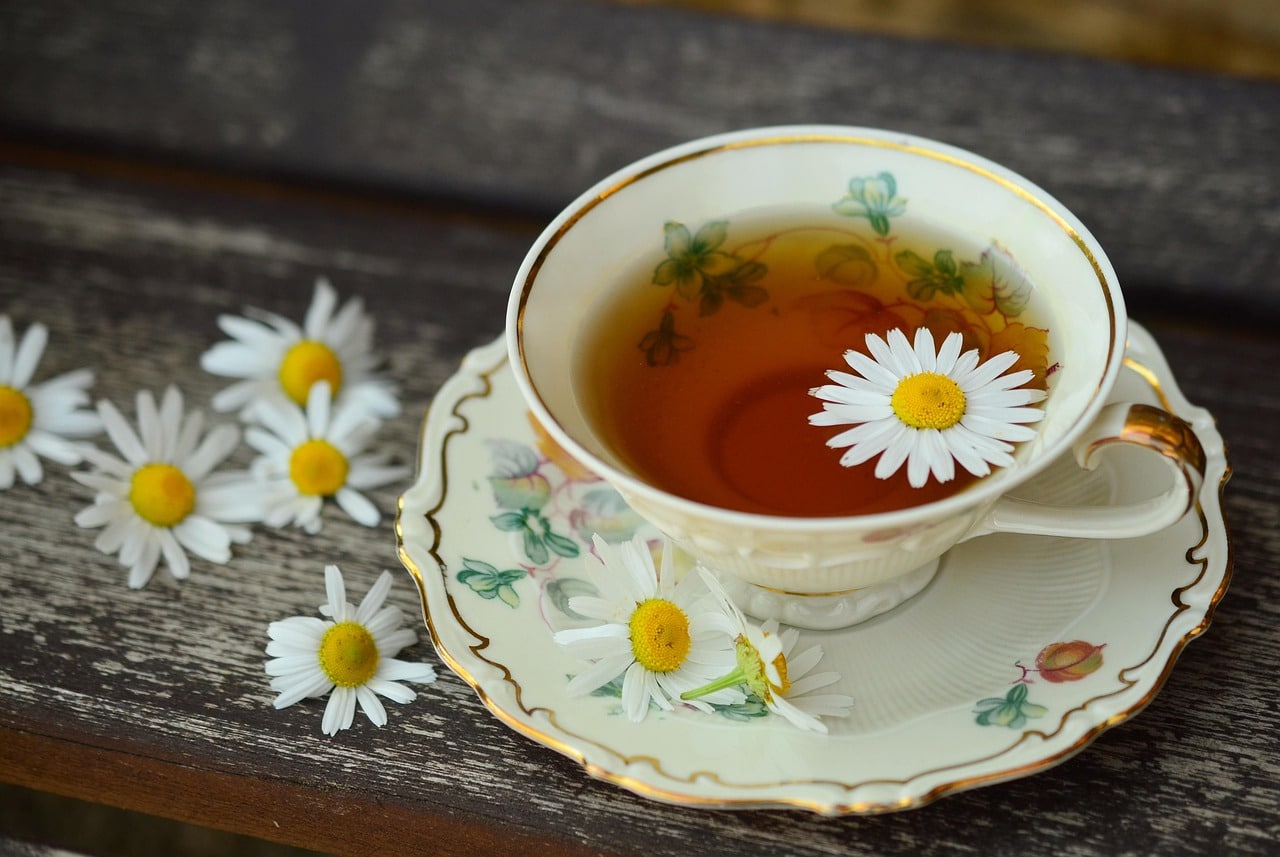
✨ Embracing Natural Joint Support
Joint pain doesn’t have to control your life. The healing power of medicinal plants offers hope and tangible relief for millions of people seeking alternatives to pharmaceutical dependency.
By incorporating therapeutic teas into a comprehensive wellness strategy that includes proper nutrition, appropriate exercise, stress management, and professional guidance when needed, you can reclaim mobility and comfort.
Start today with one simple cup of ginger or green tea. Notice how it makes you feel. Pay attention to subtle shifts in your pain levels, flexibility, and overall wellbeing. Give your body time to respond to these gentle yet powerful plant medicines.
The journey to better joint health isn’t about quick fixes—it’s about sustainable practices that support your body’s innate healing wisdom. With patience, consistency, and the right herbal allies, you can experience meaningful improvement in your joint comfort and quality of life.
