
Anúncios
Traveling abroad or working in a multicultural environment just got a whole lot easier thanks to voice translator apps on your smartphone—speak, and it’s instantly translated.



Imagine standing in a bustling market in Tokyo, trying to ask about the price of fresh sushi, or navigating the winding streets of Paris while searching for that perfect café. Language barriers can turn exciting adventures into frustrating puzzles. But today’s technology offers a solution that fits right in your pocket.
Anúncios
Voice translator apps have revolutionized how we communicate across language barriers. They’re not just for travelers anymore—business professionals, students, and anyone dealing with multilingual situations are discovering how these smart tools make conversations flow naturally, no matter which language someone speaks.
🌍 Why Voice Translation Apps Have Become Essential
The world feels smaller than ever before. We connect with people across continents, travel to destinations we once only dreamed about, and work with international teams daily. Traditional phrasebooks and even text translators can’t keep up with the natural pace of conversation.
Anúncios
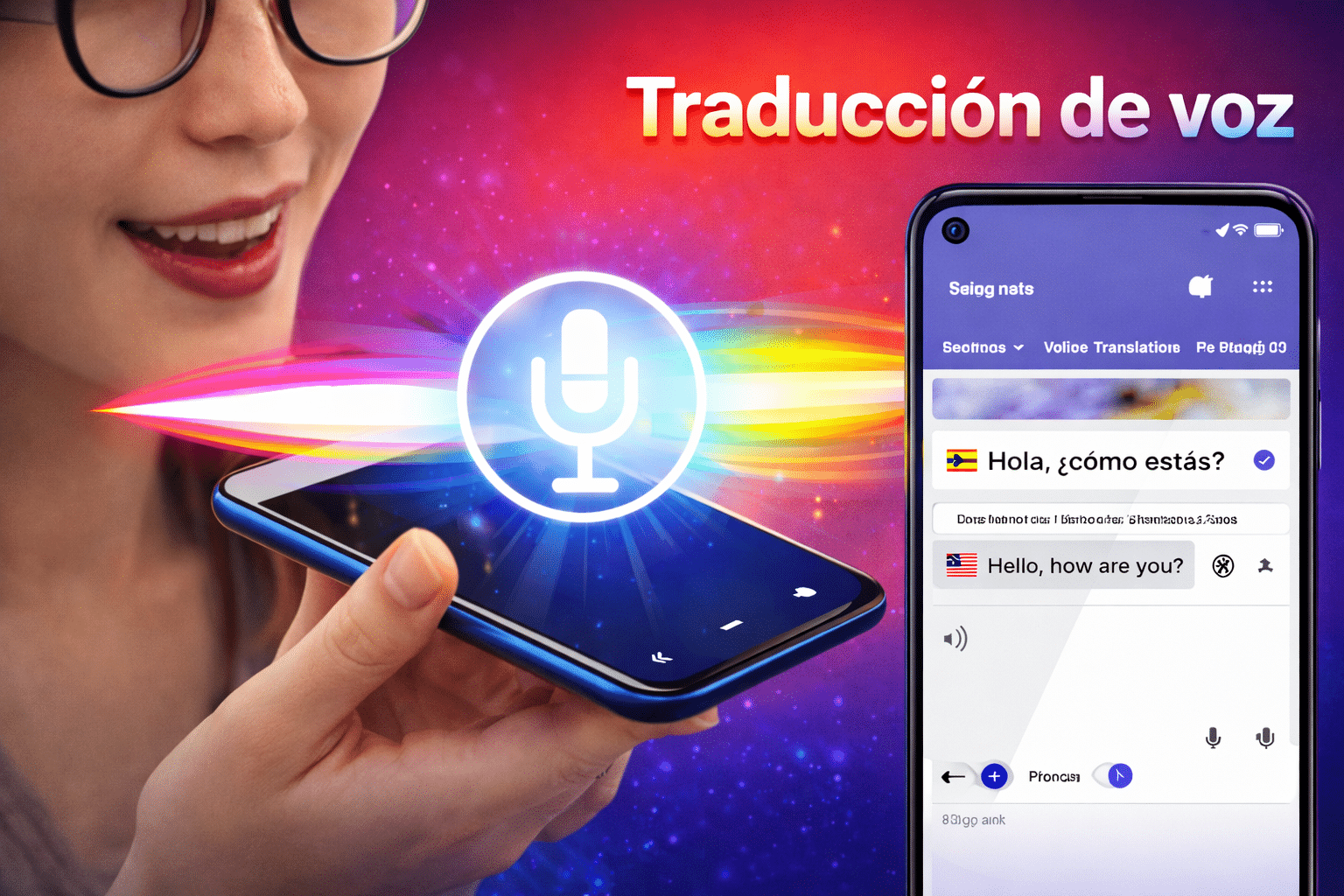
Voice translation technology bridges that gap instantly. You speak into your phone, and within seconds, your words emerge in another language with proper pronunciation. The person you’re speaking with can respond the same way, creating a genuine two-way conversation despite the language difference.
This technology has matured significantly over the past few years. Early versions were clunky and often hilariously inaccurate. Today’s apps leverage artificial intelligence and machine learning to understand context, regional accents, and even colloquial expressions. They’re becoming remarkably reliable companions for real-world communication.
📱 How Voice Translator Apps Actually Work
Behind that simple interface lies sophisticated technology working at lightning speed. When you speak into your phone, the app captures your voice and converts it into text through speech recognition algorithms. This text then passes through neural translation engines that understand not just individual words, but sentence structure, idioms, and cultural nuances.
The translated text is then converted back into speech using text-to-speech technology, producing audio in the target language. All of this happens in just a couple of seconds, making conversations feel almost natural.
Most modern apps work in two modes: one-way translation for announcements or directions, and conversation mode for back-and-forth dialogue. Conversation mode is particularly impressive—you and your conversation partner take turns speaking into the phone, and it automatically detects which language is being spoken and translates accordingly.
🔊 The Power of Real-Time Communication
What makes voice translation truly revolutionary is the real-time aspect. Unlike stopping to type phrases into a translator, speaking maintains the natural rhythm of human interaction. You can see facial expressions, read body language, and build rapport—all the elements that make communication genuinely human.
This immediacy matters in countless situations. When asking for medical help abroad, negotiating prices at a local market, making new friends while traveling, or conducting business meetings with international partners, the ability to communicate naturally makes all the difference.
✈️ Perfect Scenarios for Using Voice Translators
Travel represents the most obvious use case, but it’s far from the only one. Let’s explore situations where voice translator apps truly shine and become indispensable tools.
International Travel Adventures
Whether you’re backpacking through Southeast Asia, touring European museums, or experiencing African safaris, language differences can create challenges. Voice translators help you order food confidently, ask for directions, book accommodations, and connect with locals on a deeper level.
The cultural exchanges become richer when you can actually converse rather than relying on hand gestures and hopeful smiles. You’ll discover hidden gems locals recommend, learn fascinating stories, and create meaningful memories that wouldn’t be possible with a language barrier in place.
Business and Professional Settings
Global commerce demands cross-cultural communication. Video conferences with international clients, negotiations with overseas suppliers, or welcoming foreign delegates all benefit from instant translation capabilities.
While professional interpreters remain essential for formal contracts and critical negotiations, voice translator apps handle everyday business communication efficiently. They’re perfect for casual meetings, quick clarifications, or building relationships during informal networking moments.
Educational Environments
Students learning new languages find voice translators incredibly helpful for practicing pronunciation and understanding native speakers. International students navigating life in foreign universities use them for everything from cafeteria conversations to understanding assignment requirements.
Teachers working with multilingual classrooms can communicate more effectively with students and parents who speak different languages, ensuring everyone stays informed and involved in the educational process.
Healthcare Communication
Medical situations abroad can be frightening, especially when you can’t explain symptoms or understand a doctor’s instructions. Voice translator apps provide crucial support in pharmacies, clinics, and hospitals, helping ensure proper care.
Healthcare providers in multicultural communities also benefit, communicating essential health information to patients who speak different languages, improving outcomes and patient satisfaction.
Daily Life in Multicultural Communities
You don’t need to leave your hometown to encounter language barriers. Many neighborhoods are wonderfully diverse, with neighbors, shopkeepers, and service providers speaking various languages. Voice translators help build community connections and mutual understanding.
🎯 Choosing the Right Voice Translator App
Not all translation apps offer the same capabilities. When selecting one for your needs, consider several important factors that affect usability and accuracy.
Language Coverage
Check which languages the app supports, especially for voice translation. While most apps cover major languages like Spanish, French, Mandarin, and Arabic, support for less common languages varies significantly. If you’re traveling to specific regions, verify that both the source and target languages work with voice features.
Offline Capabilities
Internet connectivity isn’t guaranteed everywhere you travel. The best translator apps allow you to download language packs for offline use. This feature proves invaluable in rural areas, during flights, or when roaming charges make constant data use impractical.
Offline translation typically requires pre-downloading languages while connected to Wi-Fi, but the investment in storage space pays dividends when you need communication help without internet access.
Conversation Mode Features
Look for apps with robust conversation modes that automatically detect languages and switch between them smoothly. The interface should be simple enough that both parties can use it without confusion, with clear indicators showing which language is active and when someone should speak.
Accuracy and Natural-Sounding Output
Translation accuracy varies between apps and improves constantly through updates. Read recent reviews focusing on the specific language pairs you need. Some apps excel with European languages but struggle with Asian or African languages, while others show different strengths.
The voice output should sound natural rather than robotic. Modern text-to-speech engines produce remarkably human-like speech, but quality differs between apps and languages.
Additional Helpful Features
Many translator apps include bonus features beyond basic voice translation. Camera translation lets you point your phone at signs, menus, or documents for instant visual translation. Text input serves as backup when speaking isn’t appropriate. Saved phrases help you quickly access commonly used expressions.
Some apps offer dialect options, formal versus casual register choices, and even cultural notes explaining idioms or customs. Consider which extras align with your intended use.
💡 Tips for Getting the Best Translation Results
Even the most sophisticated app performs better when you follow best practices for voice input and communication.
Speak Clearly and at a Moderate Pace
Rapid speech challenges recognition algorithms. Speak at a comfortable pace with clear pronunciation. You don’t need to sound robotic—just avoid mumbling or rushing through sentences. Imagine you’re speaking to someone learning your language, and adjust accordingly.
Use Simple, Direct Sentences
Complex sentence structures with multiple clauses increase the chance of translation errors. Break your thoughts into shorter, straightforward sentences. Instead of “I was wondering if you might possibly know where I could find a pharmacy that’s still open at this time,” try “Where is an open pharmacy?”
Avoid Slang and Regional Idioms
Expressions like “it’s raining cats and dogs” or “that costs an arm and a leg” confuse translation engines designed for literal meaning. Stick with standard vocabulary and clear expressions that translate directly across languages.
Mind Your Environment
Background noise interferes with speech recognition. Find relatively quiet spaces for important conversations, or position yourself away from traffic, music, or crowds. Wind noise particularly troubles smartphone microphones, so shield your phone when outdoors.
Verify Understanding
Translation isn’t perfect. When accuracy matters, verify understanding by asking the other person to confirm key details. In crucial situations like medical care or legal matters, consider combining app translation with professional interpretation services.
Be Patient and Keep Your Sense of Humor
Technology occasionally produces amusing mistakes. Maintain patience and good humor when translations go sideways. Most people appreciate the effort to communicate in their language, even through imperfect digital assistance. A smile and friendly attitude overcome many technological limitations.
🚀 The Future of Voice Translation Technology
Current voice translator apps are impressive, but they’re just the beginning. The technology continues evolving rapidly, with exciting developments on the horizon.
Enhanced Contextual Understanding
Next-generation translation AI will better understand context, remembering earlier parts of conversations to improve accuracy. These systems will recognize when “bat” refers to the animal versus the sports equipment, or understand cultural references that currently confuse algorithms.
Emotion and Tone Recognition
Future apps may detect and convey emotional tone, ensuring that sarcasm, urgency, or gentleness comes through in translation. This emotional intelligence will make digital translation feel more genuinely human.
Wearable Translation Devices
Smart earbuds and augmented reality glasses are beginning to incorporate real-time translation, potentially eliminating the need to hold a phone during conversations. These hands-free solutions will make translated conversations feel completely natural.
Expanded Language Coverage
As AI training improves, support for indigenous languages, rare dialects, and regional variations will expand. This preservation and accessibility benefits cultural diversity worldwide.
🌟 Real Stories: When Voice Translation Made the Difference
Technology’s true value shows in real human experiences. Consider the solo traveler in rural Vietnam who needed medical attention and used their translator app to explain symptoms to a doctor who spoke no English. Or the small business owner in Texas who connected with a Spanish-speaking supplier to source unique products for her store.
One particularly touching example involved an elderly man using a translator app to finally communicate with his daughter-in-law’s parents, who spoke Korean. After years of polite smiles and limited interaction, they discovered shared interests and built a genuine relationship, all facilitated by technology that let them speak freely.
These moments highlight why voice translation matters beyond mere convenience—it creates human connections that wouldn’t otherwise exist.
🔐 Privacy and Security Considerations
When using voice translator apps, be mindful of privacy implications. Your conversations pass through company servers for processing, raising questions about data storage and usage.
Read privacy policies carefully, especially if you’ll discuss sensitive personal or business information. Some apps offer enhanced privacy modes or on-device processing for offline translation that keeps data entirely on your phone.
In sensitive situations, consider using apps from established companies with transparent privacy practices and strong security reputations. Avoid free apps with unclear data policies that might monetize your conversations.
🎓 Learning Languages with Translation Apps
Interestingly, voice translator apps can support language learning rather than replacing it. Use them as conversational partners to practice pronunciation, as reference tools when you forget vocabulary, or as confidence builders that let you attempt real conversations before you feel fluent.
The feedback loop is valuable—you hear how native speakers would express your thoughts, gradually internalizing proper phrasing and pronunciation. Many language learners find this practical application more effective than traditional classroom methods.
However, apps work best as supplements rather than replacements for structured learning. Combine them with formal language study for the most effective results.
🌈 Breaking Down Barriers, Building Connections
At their core, voice translator apps represent something profound—humanity’s desire to understand each other across the artificial boundaries of language. They’re tools for curiosity, empathy, and connection in an increasingly interconnected world.
Whether you’re planning your next international adventure, working in a global marketplace, or simply wanting to connect with neighbors from different backgrounds, voice translation technology empowers you to communicate confidently.
The days of being helplessly lost in translation are ending. With a smartphone in your pocket and the right app installed, you carry a bridge to billions of people worldwide. You can ask questions, share ideas, make friends, and navigate unfamiliar places with confidence.
Language diversity enriches our world with different perspectives, cultural treasures, and ways of thinking. Voice translator apps let us celebrate that diversity while still understanding each other, preserving the beauty of thousands of languages while making communication accessible to everyone.
So whether you’re dreaming of wandering through Moroccan souks, presenting to Japanese business partners, or simply chatting with the new neighbors who speak Portuguese, embrace this technology. Download a quality voice translator app, familiarize yourself with its features, and open yourself to conversations that were previously impossible.
The world has never been more approachable. Don’t let language barriers hold you back from the experiences, relationships, and opportunities waiting for you. Speak freely, translate instantly, and discover what becomes possible when communication flows naturally across any language barrier. Your next meaningful conversation might be just one translation away. 🌍✨
