
Anúncios
Training your pet at home can transform your daily routine and strengthen the bond you share. With the right techniques and consistency, you’ll see remarkable behavioral changes in just a few weeks.



Every pet owner has experienced moments of frustration when their furry companion refuses to listen or displays stubborn behavior. Whether it’s a puppy jumping on guests, a cat scratching furniture, or a dog pulling on the leash during walks, these challenges are completely normal. The good news is that with patience, understanding, and proven training methods, you can address these issues effectively from the comfort of your home.
Anúncios
Home training offers unique advantages that professional classes sometimes can’t provide. You control the environment, the pace, and the methods used. Plus, training at home allows you to work on real-life situations as they happen, making the learning process more relevant and lasting for your pet. Let’s explore the essential techniques that will help you become the confident trainer your pet needs. 🐾
Understanding Your Pet’s Behavior Patterns
Before jumping into training techniques, it’s crucial to understand why your pet behaves the way they do. Animals don’t act out of spite or malice—they respond to instincts, environmental triggers, and learned associations. Recognizing the root causes of unwanted behaviors will help you address them more effectively.
Anúncios
Dogs, for instance, often display stubborn behavior when they’re bored, anxious, or seeking attention. Cats may scratch furniture because they need to mark territory or sharpen their claws. Birds might scream when they feel neglected or overstimulated. Each species has unique communication methods that, once decoded, make training significantly easier.
Take time to observe your pet throughout the day. Note when problematic behaviors occur, what triggers them, and what happens immediately afterward. This awareness forms the foundation of successful home training and helps you anticipate challenges before they escalate.
Essential Principles of Positive Reinforcement Training 🎯
Positive reinforcement stands as the gold standard in modern pet training. This approach focuses on rewarding desired behaviors rather than punishing unwanted ones. When your pet associates good behavior with pleasant outcomes—treats, praise, playtime—they’re naturally motivated to repeat those actions.
The timing of rewards is absolutely critical. You have approximately three seconds to reward a behavior before your pet loses the connection between the action and the consequence. Keep treats handy during training sessions, and deliver praise enthusiastically the moment your pet does something right.
Consistency is equally important. Everyone in your household must use the same commands and reward system. Mixed signals confuse pets and slow down progress. Create a family training plan where everyone understands which behaviors you’re encouraging and which you’re discouraging.
Building a Reward System That Works
Not all rewards carry equal weight for every pet. Some dogs work tirelessly for a small piece of chicken, while others prefer a favorite toy or verbal praise. Experiment to discover what motivates your pet most powerfully.
Create a hierarchy of rewards. Use high-value treats (small pieces of cooked meat, cheese, or special commercial treats) for challenging behaviors or new commands. Reserve lower-value rewards (regular kibble, gentle petting) for behaviors your pet has already mastered. This strategy keeps your pet engaged and prevents them from becoming desensitized to rewards.
Mastering Basic Commands: The Foundation of Good Behavior
Every well-trained pet should respond reliably to a set of basic commands. These aren’t just tricks—they’re essential communication tools that keep your pet safe and well-behaved in various situations.
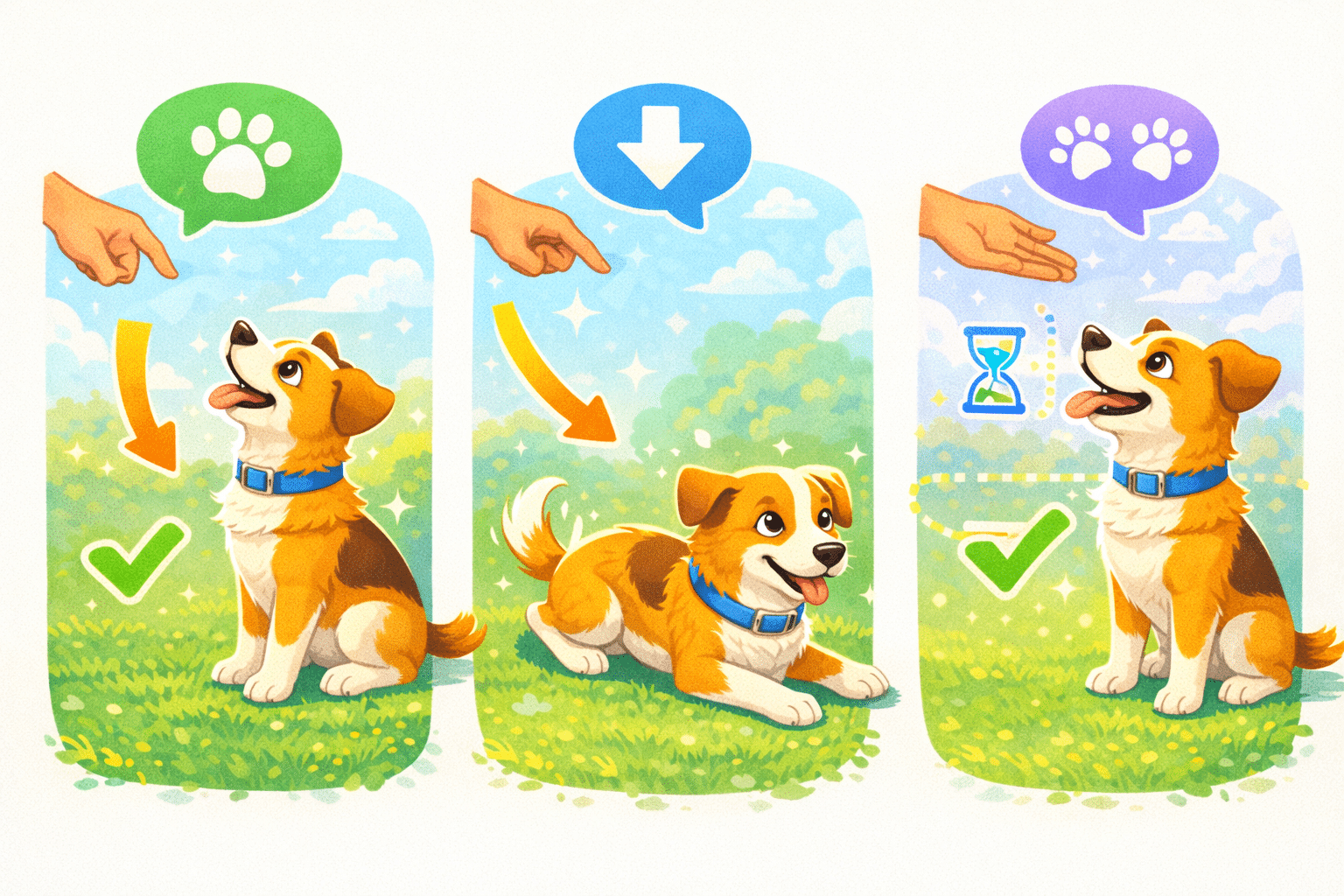
Start with “sit,” arguably the most fundamental command. Hold a treat close to your pet’s nose, then slowly move it upward and backward over their head. Most pets will naturally sit as they follow the treat. The moment their bottom touches the ground, say “sit,” give the treat, and offer enthusiastic praise. Practice this 5-10 times daily in short sessions.
“Stay” requires more patience but proves invaluable for safety. Once your pet masters sitting, ask them to sit, then hold your palm up in a “stop” gesture while saying “stay.” Take one step back. If they remain seated, immediately return and reward them. Gradually increase the distance and duration over several weeks.
The Power of “Come” and “Leave It”
Teaching a reliable recall command could literally save your pet’s life. Start in a distraction-free environment. Say your pet’s name followed by “come” in an upbeat tone. When they approach, reward generously. Never call your pet to come and then do something unpleasant—they’ll learn to avoid the command.
“Leave it” prevents your pet from picking up dangerous items or eating harmful substances. Place a treat in your closed hand and let your pet sniff it. They’ll likely lick and paw at your hand. The moment they pull back, even slightly, say “yes!” and give them a different treat from your other hand. Repeat until they back away immediately when you say “leave it.”

Addressing Common Behavioral Challenges at Home
Now that you’ve established basic communication with your pet, let’s tackle specific problem behaviors that drive owners to frustration. Each challenge requires a tailored approach, but the underlying principles remain consistent: identify the cause, redirect the behavior, and reward the alternative.
Stopping Excessive Barking or Meowing
Vocal pets aren’t trying to annoy you—they’re communicating needs or responding to stimuli. Dogs bark due to boredom, territorial instincts, fear, or excitement. Cats meow for attention, food, or because they’re in discomfort.
First, ensure your pet’s basic needs are met: adequate exercise, mental stimulation, and a consistent routine. For attention-seeking vocalizations, completely ignore your pet when they bark or meow excessively. Don’t make eye contact, don’t speak to them, don’t touch them. The moment they quiet down, even for a few seconds, immediately reward them with attention or treats.
If your dog barks at passersby, teach the “quiet” command. Allow a few barks (they’re doing their job as alert systems), then hold a treat near their nose and say “quiet.” When they stop barking to sniff the treat, praise and reward them. Practice regularly to build this association.
Managing Destructive Chewing and Scratching 🦷
Puppies and kittens explore the world through their mouths and claws. Adult pets may chew or scratch due to anxiety, boredom, or insufficient appropriate outlets for these natural behaviors.
Provide plenty of acceptable chewing options for dogs—durable toys, puzzle feeders, and dental chews. When you catch your dog chewing something inappropriate, calmly interrupt them, replace the forbidden item with an approved toy, and praise them when they chew the toy instead. Consistency teaches them what’s acceptable.
For cats, scratching posts are non-negotiable. Place them near areas your cat already targets, and make them more appealing than furniture by adding catnip or hanging toys from them. Trim your cat’s claws regularly and consider soft nail caps if scratching remains problematic.
Creating an Effective Training Schedule
Sporadic training sessions yield sporadic results. Establishing a consistent schedule accelerates learning and helps both you and your pet develop positive habits. However, quality matters far more than quantity—five focused minutes beats thirty distracted ones.
For most pets, two to three short training sessions daily work best. Morning sessions capitalize on your pet’s energy and hunger (making treats more motivating). Evening sessions provide mental stimulation that can tire your pet before bedtime, promoting calmer nighttime behavior.
Keep sessions brief, especially in the beginning. Puppies and kittens have attention spans of just 5-10 minutes. Adult pets can typically handle 15-20 minute sessions. Always end on a positive note, even if that means asking for an easy command your pet has mastered, so they finish feeling successful.
Tracking Progress and Adjusting Techniques
Maintain a simple training journal or use your phone’s notes app to record what you worked on each day and how your pet responded. This documentation helps you identify patterns, celebrate improvements, and recognize when certain approaches aren’t working.
Don’t be discouraged by setbacks—they’re completely normal. If your pet seems to forget a command they previously knew, simply go back to basics for a few sessions. If they’re not responding to a particular training method, try a different approach or adjust the reward type.
Environmental Management for Training Success 🏠
Your home environment significantly impacts training outcomes. Smart environmental management prevents problems before they occur and sets your pet up for success.
Remove temptations during the learning phase. If your dog raids the trash, keep it behind a closed door or use a pet-proof container. If your cat jumps on counters, don’t leave food out. These aren’t permanent solutions, but they prevent bad habits from forming while you teach better alternatives.
Create designated spaces for your pet. A comfortable bed or crate gives dogs a safe retreat and aids house training. Cat trees and window perches satisfy climbing instincts and provide territory. Birds need cage-free time in bird-proofed rooms. When pets have appropriate outlets for natural behaviors, they’re less likely to develop problem behaviors.
Socialization: The Often Overlooked Training Element
Proper socialization dramatically impacts your pet’s trainability and overall behavior. Well-socialized pets are confident, adaptable, and less likely to develop fear-based behavioral problems.
For puppies, the critical socialization window closes around 12-16 weeks of age. During this period, positive exposure to various people, animals, environments, and experiences shapes their adult temperament. For adult pets or those who missed early socialization, the process takes longer but remains possible.
Introduce new experiences gradually and positively. If your dog seems nervous around strangers, don’t force interactions. Instead, have visitors toss treats from a distance, gradually decreasing the space as your dog becomes comfortable. Pair new experiences with rewards to build positive associations.
Advanced Techniques: Taking Training to the Next Level 🚀
Once your pet reliably responds to basic commands, you can introduce more complex behaviors and refine their responses. Advanced training strengthens your bond, provides mental enrichment, and can address specific household challenges.
Teach “place” or “go to bed” to manage excitement when guests arrive. Start by leading your pet to their bed, saying “place,” and rewarding them for staying there briefly. Gradually increase the duration and add distractions. Eventually, your pet will go to their bed on command and remain there until released.
“Wait” differs from “stay” in that it’s temporary—useful for preventing door dashing or teaching patience before meals. Practice having your pet wait before going through doorways, getting out of the car, or receiving their food bowl. This command reinforces impulse control.
Problem-Solving Specific Scenarios
Leash pulling frustrates countless dog owners. Instead of pulling back (which often encourages more pulling), stop walking immediately when your dog pulls. Resume only when the leash loosens. This “be a tree” method teaches that pulling prevents forward progress, while walking politely gets them where they want to go.
For pets who beg at the table, absolute consistency is essential. Never feed from the table or while you’re eating—ever. Even one reward undoes weeks of training. Instead, place your pet in their “place” during meals and occasionally reward them with their own treats for staying there calmly.
Understanding and Working With Different Pet Personalities
Just like people, pets have distinct personalities that influence how they learn. Some are eager to please and pick up commands quickly. Others are independent thinkers who need extra motivation. Recognizing your pet’s personality type helps you customize your training approach.
Confident, energetic pets often excel with fast-paced, game-based training. They enjoy challenges and respond well to variety. Shy or anxious pets need extra patience, gentler handling, and more gradual exposure to new concepts. They benefit from quiet training environments with minimal distractions.
Food-motivated pets are generally easiest to train, as treats provide clear, immediate feedback. For pets less interested in food, find alternative motivators—favorite toys, play sessions, or access to desired activities. Some dogs will work enthusiastically for a chance to sniff during walks or play fetch.
Common Training Mistakes to Avoid ⚠️
Even well-intentioned owners make mistakes that hinder training progress. Being aware of these pitfalls helps you avoid them from the start.
Inconsistency ranks as the number one training saboteur. Allowing your pet on the couch sometimes but not others confuses them. Decide on house rules and enforce them 100% of the time, with all family members on board.
Punishment-based methods may suppress behaviors temporarily but often create fear, anxiety, and trust issues. They don’t teach your pet what to do instead—only what not to do. Yelling, hitting, or using shock collars damages your relationship and can worsen behavioral problems.
Practicing only in easy environments sets your pet up for failure in real-world situations. Once your pet masters a command at home, gradually introduce distractions—practice in the backyard, then on quiet streets, then in busier areas. This “proofing” process ensures reliable responses regardless of circumstances.
Maintaining Long-Term Training Success
Training isn’t a phase that ends once your pet learns basic commands—it’s an ongoing relationship component. Even well-trained pets benefit from regular practice, mental challenges, and continued learning throughout their lives.
Periodically review basic commands to keep them sharp. A quick two-minute practice session before meals or walks reinforces learned behaviors without requiring dedicated training time. Introduce occasional new tricks or commands to keep your pet mentally engaged.
As your pet ages, training needs evolve. Senior pets may develop new anxiety-related behaviors or struggle with commands they previously knew due to hearing loss or cognitive changes. Adjust your expectations and methods while maintaining structure and engagement.
Celebrate the journey, not just the destination. Training strengthens your bond, builds mutual understanding, and creates a happier household for everyone. Those frustrating stubborn moments transform into opportunities for growth—for both you and your pet. The techniques you’ve learned here provide a solid foundation, but remember that every pet is unique. Stay patient, remain consistent, and enjoy watching your companion flourish into a well-mannered, confident family member. 🐕✨
Starting today, you have the knowledge and tools to address those pesky behavioral issues that once seemed overwhelming. Home training empowers you to shape your pet’s behavior thoughtfully and compassionately, creating lasting positive changes that benefit your entire household for years to come.
