
Anúncios
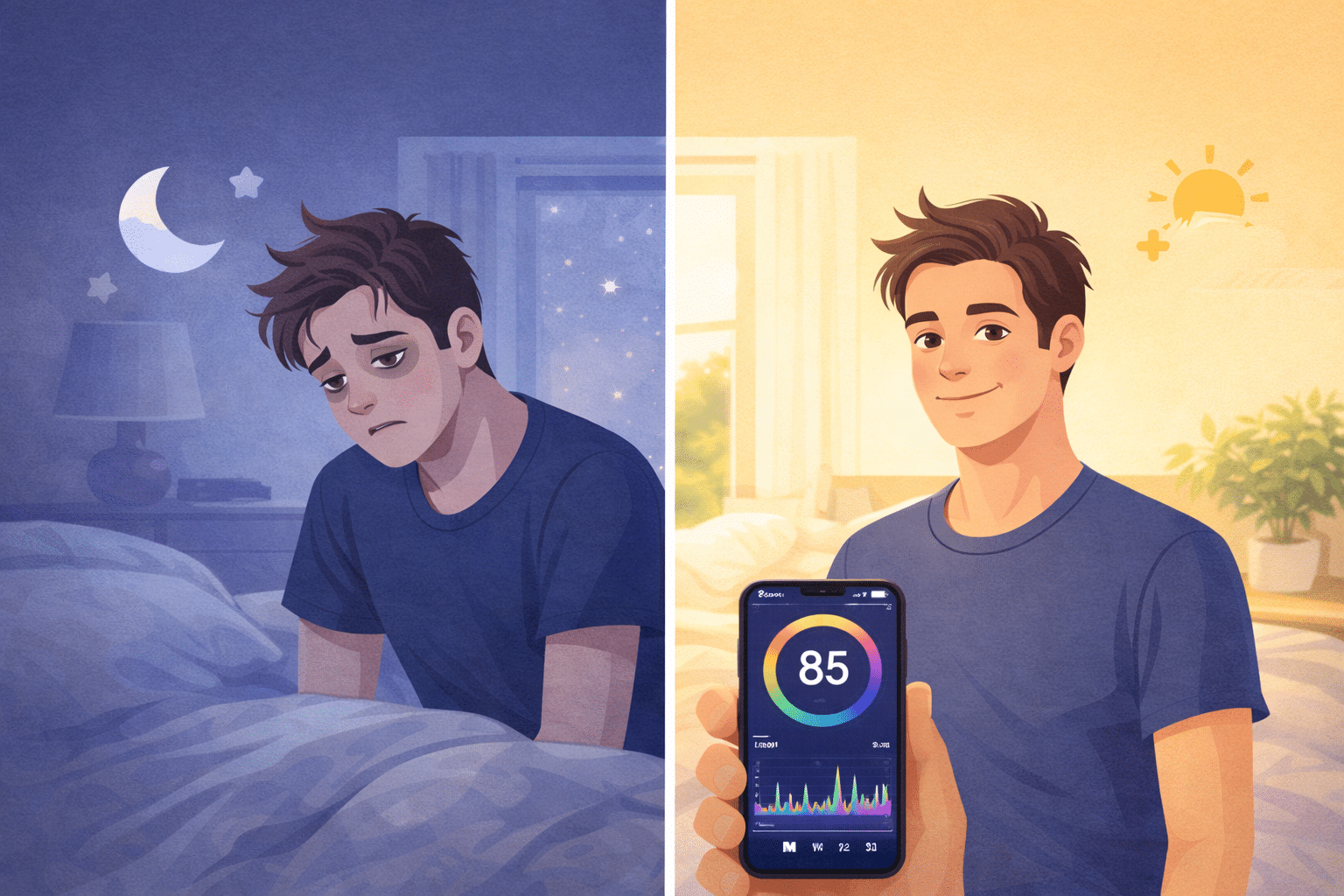
Waking up tired even after a full night’s sleep? You’re not alone, and now there’s a way to understand exactly what’s happening while you rest.



Sleep should be restorative, energizing, and rejuvenating. Yet millions of people worldwide struggle with poor sleep quality, tossing and turning throughout the night, only to wake up feeling exhausted. The frustration of not understanding why you’re tired despite spending eight hours in bed is real and increasingly common.
Anúncios
Fortunately, technology has evolved to help us peek behind the curtain of our sleeping hours. Sleep monitors have emerged as powerful tools that track, analyze, and provide insights into your nightly rest patterns. These innovative devices and apps can finally answer the question: what’s really happening while I sleep? 😴
Understanding Why You Wake Up Exhausted
The quality of your sleep matters far more than the quantity. You might spend nine hours in bed but wake up feeling like you barely rested at all. This happens because sleep isn’t a uniform state—it’s a complex cycle of different stages, each serving unique purposes for your physical and mental restoration.
Anúncios
Your body moves through light sleep, deep sleep, and REM (rapid eye movement) sleep multiple times each night. Disruptions to these cycles, even ones you don’t consciously remember, can significantly impact how refreshed you feel in the morning. Factors like sleep apnea, restless leg syndrome, environmental disturbances, stress, and even your bedtime routine all play crucial roles.
Without proper monitoring, these issues remain invisible mysteries. You know something’s wrong, but pinpointing the exact problem becomes guesswork. This is where sleep monitoring technology becomes genuinely transformative.
What Exactly Is a Sleep Monitor? 🤔
A sleep monitor is a device or application designed to track various aspects of your sleep throughout the night. Modern sleep monitors use sophisticated sensors and algorithms to collect data about your movement, heart rate, breathing patterns, and sleep stages.
These tools come in several forms. Some are wearable devices like smartwatches or fitness trackers that you wear on your wrist. Others are smartphone apps that use your phone’s accelerometer and microphone to detect movement and sounds. There are also specialized bedside devices and even smart mattress pads that monitor without requiring you to wear anything.
The technology works by detecting patterns in your physical activity and vital signs. When you’re in deep sleep, for example, your body moves very little and your heart rate decreases. During REM sleep, your brain becomes more active, and you might experience increased heart rate variability. By tracking these indicators, sleep monitors can create detailed reports about your sleep architecture.
The Science Behind Sleep Tracking Technology
Sleep monitoring relies on a combination of actigraphy (movement detection), heart rate monitoring, and sometimes even sound analysis. When you move during sleep, accelerometers in the device detect these motions. Minimal movement typically indicates deeper sleep stages, while frequent shifting suggests lighter sleep or awakenings.
Advanced monitors also track heart rate variability (HRV), which provides insights into your autonomic nervous system activity. During different sleep stages, your heart rate naturally fluctuates in predictable patterns. By analyzing these variations, sophisticated algorithms can determine which sleep stage you’re in with remarkable accuracy.
Some apps also use your smartphone’s microphone to detect snoring, sleep talking, or environmental noises that might be disrupting your rest. This audio analysis can reveal patterns you’d never notice on your own, like consistent disturbances at certain times or snoring that could indicate sleep apnea.
Key Metrics Every Sleep Monitor Tracks 📊
Understanding what sleep monitors measure helps you make sense of the data they provide. Here are the most important metrics:
- Total Sleep Time: The actual amount of time you spent asleep, excluding periods when you were awake in bed
- Sleep Efficiency: The percentage of time in bed that you actually spent sleeping (ideally 85% or higher)
- Sleep Stages: The distribution of light sleep, deep sleep, and REM sleep throughout the night
- Wake-Up Count: How many times you woke up during the night, including brief awakenings you might not remember
- Sleep Latency: How long it took you to fall asleep after getting into bed
- Heart Rate: Your average and resting heart rate during sleep
- Restlessness: How much you moved or changed positions during the night
- Snoring: Frequency, duration, and intensity of snoring episodes
These metrics combine to create a comprehensive picture of your sleep quality. Patterns emerge over time, helping you identify specific issues and track improvements as you make lifestyle adjustments.

How Sleep Monitoring Reveals Hidden Problems
Many sleep issues operate below the threshold of conscious awareness. You might think you slept through the night, but data from a sleep monitor might reveal you actually woke up fifteen times without realizing it. These micro-awakenings fragment your sleep architecture, preventing you from getting adequate deep and REM sleep.
Sleep monitors can identify patterns that point to specific conditions. Consistent drops in blood oxygen levels combined with irregular breathing patterns might suggest sleep apnea. Frequent movement during what should be REM sleep could indicate REM sleep behavior disorder. Extended periods of wakefulness might reveal insomnia patterns you didn’t fully recognize.
The objective data removes guesswork and provides concrete evidence you can discuss with healthcare providers. Rather than saying “I don’t sleep well,” you can present detailed records showing exactly when and how your sleep is disrupted. This precision dramatically improves the chances of identifying effective solutions.
Transforming Data Into Better Sleep Habits ✨
Collecting data is valuable, but the real magic happens when you use that information to make meaningful changes. Sleep monitors don’t just passively record—they provide actionable insights and recommendations based on your unique patterns.
Many apps analyze your sleep data and suggest specific improvements. If you consistently sleep poorly on nights when you consume caffeine after 3 PM, the app will identify this correlation. If your deep sleep percentage increases on days when you exercise, you’ll see that pattern clearly documented.
These insights empower you to experiment with different variables and measure the results objectively. You might try adjusting your bedroom temperature, changing your bedtime routine, limiting screen time before sleep, or modifying your evening meal timing. The monitor provides immediate feedback, showing you what works and what doesn’t.
Smart Wake-Up Features That Match Your Sleep Cycles
One of the most appreciated features of modern sleep monitors is the intelligent alarm function. Rather than jolting you awake at an arbitrary time, these smart alarms monitor your sleep stages and wake you during a light sleep phase within a specified window.
Waking from deep sleep leaves you feeling groggy and disoriented—that phenomenon called sleep inertia. But if you’re awakened during light sleep, you feel more alert and refreshed. Smart alarms detect when you’re in light sleep during your target wake-up period (say, between 6:30 and 7:00 AM) and gently rouse you at the optimal moment.
Users consistently report that this feature alone dramatically improves their morning experience. The difference between waking naturally from light sleep versus being startled from deep sleep is profound and immediately noticeable. 🌅
Addressing Common Sleep Challenges With Monitoring
Different sleep problems require different solutions, and monitoring helps identify exactly what you’re dealing with. For insomnia sufferers, tracking sleep latency and nighttime awakenings reveals patterns that might be addressed through cognitive behavioral therapy or sleep hygiene improvements.
For those who snore, audio monitoring can determine severity and frequency, helping decide whether to pursue medical evaluation for sleep apnea. If stress is fragmenting your sleep, seeing elevated heart rate and restlessness on particularly anxious nights makes the connection clear and motivates stress-management practices.
Shift workers struggling with irregular schedules benefit enormously from tracking how different sleep times affect their rest quality. Parents can identify whether their baby’s nighttime wakings are genuinely disturbing their sleep or if they’re falling back asleep quickly enough to maintain decent sleep architecture.
The Connection Between Sleep Quality and Overall Health 💪
Poor sleep doesn’t just make you tired—it affects virtually every aspect of your physical and mental health. Chronic sleep deprivation increases risks of cardiovascular disease, diabetes, obesity, depression, and impaired immune function. It affects cognitive performance, emotional regulation, and even your relationships.
By monitoring and improving your sleep quality, you’re investing in comprehensive wellness. Users who address their sleep issues often report improvements that extend far beyond feeling less tired. They experience better mood stability, enhanced focus and productivity, improved physical performance, healthier eating patterns, and greater overall life satisfaction.
The data from sleep monitors makes these connections visible. You can see how a week of poor sleep correlates with increased resting heart rate, or how improving sleep efficiency coincides with better recovery from workouts. These concrete connections motivate continued commitment to healthy sleep practices.
Choosing the Right Sleep Monitoring Solution
The best sleep monitor depends on your specific needs, preferences, and budget. Smartphone apps offer an accessible, cost-effective starting point. They’re surprisingly accurate for basic sleep tracking and require no additional hardware. Simply place your phone on the nightstand, and the app handles the rest.
Wearable devices provide more comprehensive data, especially regarding heart rate and movement, since they maintain constant contact with your body. However, some people find wearing a device to bed uncomfortable or disruptive.
Dedicated sleep tracking devices that sit on your nightstand or under your mattress offer monitoring without requiring you to wear anything. These tend to be more expensive but can track multiple sleepers simultaneously and often include environmental monitoring like room temperature and noise levels.
Consider what metrics matter most to you, whether you’re comfortable wearing a device, your budget, and whether you need features like smart alarms or integration with other health apps. Many people start with a free or low-cost app to see if sleep monitoring resonates with them before investing in specialized hardware.
Privacy and Data Security Considerations 🔒
Sleep monitors collect intimate data about your nightly habits, so privacy should be a consideration. Reputable apps and devices employ encryption and secure data storage. Review privacy policies to understand how your data is used, stored, and shared.
Most quality sleep monitoring apps allow you to control whether data is stored locally on your device or uploaded to cloud servers. Some offer options to delete your data whenever you choose. When selecting a sleep monitoring solution, prioritize products from established companies with transparent privacy practices.
Remember that you’re in control of your data. Use the insights to improve your health, but don’t feel compelled to share detailed sleep information unless you choose to, such as with a healthcare provider who’s helping address specific sleep issues.
Setting Realistic Expectations and Avoiding Obsession
While sleep monitoring provides valuable insights, it’s important to maintain perspective. These tools are remarkably accurate for consumer devices, but they’re not medical-grade equipment. Use them as guides and trend identifiers rather than absolute authorities.
Some users develop “orthosomnia”—an unhealthy obsession with achieving perfect sleep scores that ironically creates anxiety that disrupts sleep. If you find yourself stressed about your sleep data, take a step back. The goal is better rest, not perfect metrics.
Focus on long-term trends rather than individual nights. Everyone has occasional poor sleep—it’s normal and nothing to worry about. What matters is your overall pattern over weeks and months. Use the data to identify helpful changes, but don’t let it become another source of stress.
Integrating Sleep Monitoring Into Your Wellness Routine
The most successful sleep monitoring happens when it’s part of a broader commitment to health. Combine the insights from your sleep tracker with other wellness practices like regular exercise, stress management, proper nutrition, and consistent sleep schedules.
Many sleep apps integrate with other health platforms, allowing you to see connections between your activity levels, diet, stress, and sleep quality. This holistic view helps you understand how different aspects of your lifestyle interact and influence your rest.
Make sleep monitoring a habit by checking your data each morning, similar to how you might check the weather. Notice patterns, celebrate improvements, and adjust when things aren’t working. Over time, this consistent attention to your sleep quality yields significant benefits. 🌙
When to Seek Professional Medical Advice
Sleep monitors are excellent tools for general wellness and identifying patterns, but they’re not substitutes for medical diagnosis. If your monitoring reveals concerning patterns—severe snoring, long periods of apparent breathing cessation, extreme restlessness, or consistently poor sleep despite good habits—consult a healthcare provider.
Sleep specialists can conduct professional sleep studies that provide more detailed information and diagnose conditions like sleep apnea, periodic limb movement disorder, or narcolepsy. Your sleep monitoring data serves as valuable supporting information for these medical consultations.
Don’t hesitate to seek help if sleep problems persist or worsen despite your efforts. Quality sleep is fundamental to health, and professional intervention can be life-changing for people with genuine sleep disorders.
Taking Control of Your Nights and Your Days
The ability to monitor and understand your sleep represents a significant shift in personal health management. For the first time, the mysterious hours you spend unconscious are no longer an unknowable black box. You can see exactly what’s happening, identify problems, implement solutions, and measure results.
This empowerment transforms how you approach rest. Instead of passively accepting poor sleep as an unchangeable reality, you become an active participant in optimizing your sleep quality. Each night becomes an opportunity to rest better, and each morning provides feedback about what’s working.
The journey to better sleep starts with awareness. Understanding your current sleep patterns creates the foundation for meaningful improvement. Whether you’re dealing with serious sleep difficulties or simply want to optimize already decent rest, sleep monitoring provides the insights you need to make informed decisions.
Your nights don’t have to remain a mystery. The tiredness, frustration, and reduced quality of life that come from poor sleep aren’t inevitable. With the right tools and commitment to change, you can transform your sleep and, by extension, transform your waking life. Sweet dreams await. 💤
