
Anúncios
The accordion is more than just a musical instrument—it’s a bridge between generations, a keeper of traditions, and a timeless companion that continues to capture hearts around the world. 🎶



Whether you’re drawn to the soulful melodies of folk music, the vibrant rhythms of forró, or the sophisticated sounds of classical compositions, learning to play the accordion opens doors to countless musical possibilities. This fascinating instrument has survived changing trends and musical revolutions, proving its enduring appeal across cultures and age groups.
Anúncios
From European village squares to South American dance halls, from street performances to concert stages, the accordion has earned its place as one of the most versatile and expressive instruments ever created. Its unique sound—simultaneously nostalgic and fresh—continues to inspire new generations of musicians who discover the joy of making music with this remarkable bellows-driven wonder.
🎵 Why the Accordion Remains Eternally Popular
The accordion’s lasting popularity isn’t accidental. This instrument possesses qualities that resonate with musicians and audiences alike, transcending geographical boundaries and musical genres. Its portability makes it accessible, while its expressive range rivals that of much larger instruments.
Anúncios
Unlike instruments that require electricity or complex setups, the accordion is entirely self-contained. You can take it anywhere—to a beach gathering, a mountain retreat, or a neighborhood celebration—and create full, rich musical arrangements without any additional equipment.
The emotional depth achievable with an accordion is truly remarkable. The dynamic control offered by the bellows allows players to add subtle nuances or powerful crescendos, making every performance unique and deeply personal. This expressiveness connects directly with listeners’ emotions, explaining why accordion music often evokes such strong feelings of nostalgia, joy, or melancholy.
Cultural Significance Across Continents
The accordion holds special significance in numerous musical traditions worldwide. In Brazil, it’s the heartbeat of forró and sertanejo music. In France, it defines the romantic sound of musette. Argentina’s tango wouldn’t be complete without the bandoneón, a close accordion relative. Irish folk music, Cajun rhythms, and Eastern European polkas all feature the accordion prominently.
This global presence means learning the accordion connects you to a worldwide community of musicians and enthusiasts who share your passion. You’re not just learning an instrument—you’re joining a cultural movement that spans centuries and continents.
🎹 Understanding the Accordion: Types and Characteristics
Before beginning your accordion journey, it’s helpful to understand the main types of accordions available. Each type has unique characteristics suited to different musical styles and player preferences.
Piano Accordion
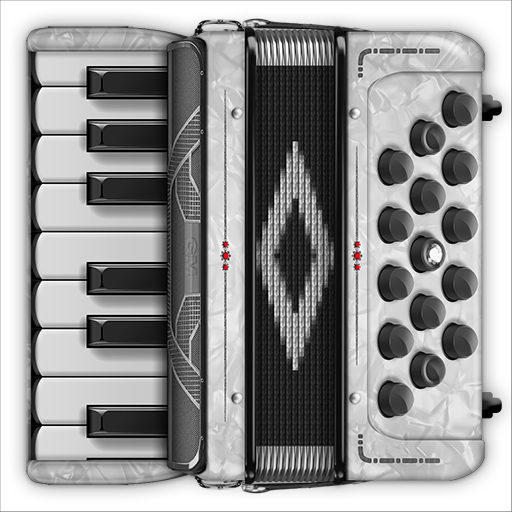
The piano accordion features a keyboard similar to a piano on the right side, making it intuitive for anyone with piano experience. The left side contains bass buttons that provide chord accompaniment. This is the most common type worldwide and works excellently for virtually any musical genre.
Piano accordions typically range from 12 to 120 bass buttons, with 48, 72, and 120 being the most popular configurations. Beginners often start with smaller models for easier handling before progressing to fuller instruments.
Button Accordion (Chromatic)
Button accordions use buttons on both sides rather than a piano keyboard. The chromatic button accordion arranges notes in patterns that make scales and chord progressions ergonomically efficient. Many professional players prefer this system for its compact layout and technical advantages.
This type is especially popular in European folk music, French musette, and various regional styles. The learning curve might be steeper initially, but the button system offers unique benefits for advanced technique.
Diatonic Accordion
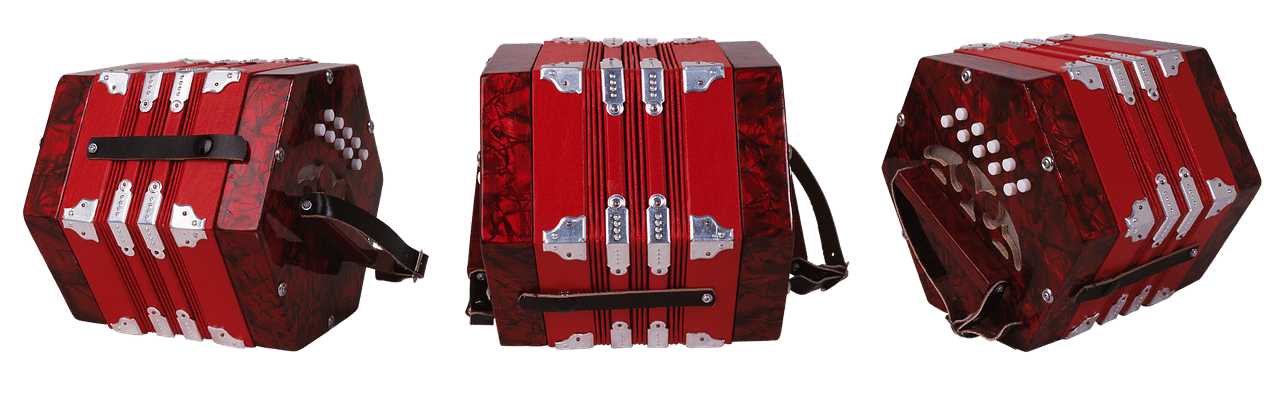
Diatonic accordions are smaller, lighter instruments tuned to specific keys. Each button produces different notes depending on whether the bellows is pushed or pulled. This type dominates traditional folk music in many cultures, including Irish, Mexican norteño, and Brazilian forró.
These instruments are excellent for beginners focusing on specific folk traditions, though their limited range makes them less versatile than chromatic options.
🚀 Getting Started: Your First Steps with the Accordion
Starting your accordion journey requires patience, proper guidance, and realistic expectations. Unlike some instruments where you can produce pleasant sounds immediately, the accordion demands coordinated efforts between your hands and bellows control.
Choosing Your First Accordion
Selecting the right accordion significantly impacts your learning experience. Consider these factors when making your choice:
- Size and weight: Ensure the instrument is comfortable to hold for extended periods. Lighter models work better for children and smaller adults.
- Number of bass buttons: A 48 or 60 bass accordion provides sufficient range for beginners while remaining manageable.
- Condition: Whether buying new or used, ensure all buttons respond properly, the bellows are airtight, and the reeds sound clear.
- Budget: Quality entry-level accordions start around $300-500, with professional instruments costing thousands. Student models offer good value for beginners.
- Musical goals: Choose an instrument suited to your intended genre—a piano accordion for versatility, or a diatonic model for specific folk styles.
Proper Posture and Holding Technique
Correct posture prevents fatigue and injury while enabling better control. Sit upright with both feet flat on the floor. The accordion rests on your left thigh, secured by shoulder straps adjusted so the instrument sits comfortably against your chest without straining your back.
Your right hand operates the keyboard or buttons while your left hand manages the bass buttons. Both hands also control the bellows movement—the right hand pulls and the left hand pushes in coordination. This takes practice but becomes natural with time.
📚 Essential Techniques for Accordion Mastery
Developing solid foundational techniques ensures steady progress and prevents bad habits that become difficult to correct later. Focus on these core skills during your early learning phase.
Bellows Control: The Soul of Expression
Bellows technique separates mediocre accordion playing from truly expressive performance. The bellows functions like a violinist’s bow or a singer’s breath, controlling dynamics, articulation, and emotional expression.
Practice opening and closing the bellows smoothly without jerking movements. Maintain consistent air pressure to avoid volume fluctuations. Learn to change bellows direction seamlessly, making transitions inaudible. Advanced techniques include bellows shakes (rapid push-pull movements) and accent articulation using sudden bellows changes.
Right Hand Technique
For piano accordions, finger positioning mirrors piano technique. Keep fingers curved, use proper fingering patterns for scales, and develop independence between fingers. Practice scales, arpeggios, and simple melodies until your fingers move naturally across the keyboard.
Button accordion technique requires learning the button layout thoroughly. The geometric patterns differ from piano keyboards, but once mastered, they offer ergonomic advantages for complex passages.
Left Hand Bass and Chord Patterns
The left-hand bass side initially confuses beginners because you can’t see the buttons while playing. The standard Stradella bass system arranges buttons in rows: bass notes, major chords, minor chords, seventh chords, and diminished chords.
Start by memorizing the fundamental bass row’s position. Learn common chord progressions (I-IV-V patterns) in your practice key. Gradually expand to more complex progressions and additional keys. Muscle memory develops through repetition—practice without looking until your fingers find buttons automatically.
🎼 Building Your Repertoire: What to Play
Selecting appropriate practice material keeps learning enjoyable and demonstrates measurable progress. Choose pieces slightly below your current skill level for confident performance, and challenge pieces slightly above for growth.
Beginner-Friendly Songs
Start with simple folk melodies and children’s songs that use limited note ranges and straightforward rhythms. Traditional tunes like “Oh When the Saints Go Marching In,” “Amazing Grace,” or “Ode to Joy” work excellently for developing both hands independently.
Focus initially on melody alone, adding bass accompaniment once the right hand feels comfortable. This progressive approach prevents overwhelming frustration and builds confidence steadily.
Genre-Specific Learning Paths
As you advance, specialize in genres that excite you personally. If forró captivates you, study typical Brazilian rhythms and song structures. For French musette, explore waltz patterns and characteristic ornamentations. Irish traditional music demands understanding of reels, jigs, and hornpipes.
Studying recordings by masters in your chosen genre provides invaluable learning. Listen analytically, identifying techniques, stylistic elements, and interpretive choices that make performances compelling.
💡 Practice Strategies for Consistent Improvement
Effective practice yields faster progress than simply playing through pieces repeatedly. Implement these strategies to maximize your practice sessions.
Structured Practice Sessions
Divide practice time into focused segments: warm-up exercises (scales, arpeggios), technique work (specific challenging passages), repertoire development (learning new pieces), and review (maintaining previously learned material). Even 30 focused minutes daily produces better results than occasional marathon sessions.
Slow Practice and Gradual Acceleration
When learning new material, practice slowly enough to play perfectly. Speed without accuracy reinforces mistakes. Once you can play a passage flawlessly at slow tempo, gradually increase speed. This methodical approach builds clean technique and musical accuracy.
Recording and Self-Evaluation
Record your playing regularly to identify areas needing improvement. Recordings reveal timing issues, bellows control problems, and wrong notes that you might not notice while concentrating on playing. This objective feedback accelerates improvement significantly.
🌟 Overcoming Common Challenges
Every accordionist faces obstacles during their learning journey. Understanding common challenges helps you navigate them successfully.
Coordinating Both Hands Independently
Independent hand coordination challenges most beginners. Your brain must send different instructions to each hand simultaneously—a skill that develops gradually. Practice hands separately until each part feels comfortable, then combine them slowly. Patience and repetition eventually make coordination automatic.
Developing Smooth Bellows Transitions
Awkward bellows changes interrupt musical flow and expose inexperience. Plan bellows direction changes to align with musical phrases. Practice specific transition points repeatedly until they become seamless. Listening critically to professional players helps you understand natural bellows phrasing.
Memorizing Bass Button Layout
The invisible left-hand keyboard frustrates beginners, but systematic practice builds reliable muscle memory. Practice finding specific buttons with your eyes closed, starting with fundamental bass notes before adding chord buttons. Create mental landmarks (specific buttons as reference points) to orient yourself.
🎓 Finding Quality Instruction and Resources
While self-teaching is possible, quality instruction accelerates progress and prevents developing bad habits. Explore various learning resources to find approaches matching your learning style.
Private Teachers and Music Schools
One-on-one instruction with experienced teachers provides personalized feedback, technique correction, and structured curriculum. Teachers identify specific issues and prescribe targeted exercises, dramatically improving efficiency. Search for qualified accordion instructors through music schools, accordion associations, or online directories.
Online Courses and Video Tutorials
Numerous online platforms offer accordion courses ranging from absolute beginner to advanced levels. Video lessons allow you to learn at your own pace, reviewing difficult concepts repeatedly. Many successful accordionists supplement private lessons with online resources for additional perspective and material.
Accordion Communities and Forums
Connecting with fellow accordionists provides motivation, advice, and camaraderie. Online forums, social media groups, and local accordion clubs offer spaces to ask questions, share progress, and discover resources. The worldwide accordion community welcomes newcomers enthusiastically.
🎪 Performing and Sharing Your Music
Making music becomes more meaningful when shared with others. Performance opportunities, from informal gatherings to formal concerts, enhance your musical journey.
Starting with Informal Performances
Begin sharing your music in low-pressure environments—play for family, friends, or at casual gatherings. These experiences build confidence before attempting formal performances. Street performances and open mic nights offer friendly venues for developing performers.
Joining Musical Groups
Playing with other musicians accelerates learning and adds enjoyment. Look for folk music sessions, accordion ensembles, or bands seeking accordionists. Collaborative music-making teaches listening skills, timing, and adaptability impossible to develop practicing alone.
Recording and Sharing Online
Modern technology enables sharing performances worldwide through social media and video platforms. Recording performances for online audiences provides motivation, connects you with fellow musicians globally, and documents your progress over time.
🔧 Maintaining Your Accordion
Proper maintenance ensures your instrument remains playable and sounds beautiful for decades. Accordions are complex mechanical instruments requiring occasional professional service, but regular basic care prevents most problems.
Keep your accordion in a climate-controlled environment away from extreme temperatures and humidity. Store it in its case when not playing to protect it from dust and accidental damage. Never leave it in hot cars or damp basements where temperature and humidity fluctuations can damage reeds and mechanisms.
Clean the exterior regularly with a soft, dry cloth. Avoid cleaning products that might damage the finish. If you notice buttons sticking, keys responding slowly, or unusual sounds, consult a qualified accordion technician rather than attempting repairs yourself. Professional maintenance every few years keeps your instrument in optimal condition.
🌈 The Lifelong Journey with Your Accordion
Learning accordion is not a destination but an ongoing journey of discovery, expression, and joy. Each practice session offers opportunities for growth, whether you’re mastering a challenging passage, discovering new musical styles, or simply enjoying the beautiful sounds you create.
The accordion’s enduring popularity across generations testifies to its unique appeal and versatility. As you develop your skills, you join a proud tradition of musicians who have touched hearts and preserved cultural heritage through this remarkable instrument.
Your accordion journey will include frustrations and breakthroughs, plateaus and rapid progress, but the rewards far outweigh the challenges. The ability to create music that moves people emotionally, preserves traditions, and brings communities together makes every practice hour worthwhile.
Whether you dream of performing traditional folk music, creating contemporary arrangements, or simply playing for personal enjoyment, the accordion accommodates all musical ambitions. Its timeless voice continues captivating new generations precisely because it speaks to something fundamental in human experience—the need for beauty, expression, and connection through music. 🎶✨
