
Anúncios
Massage therapy is more than just a luxury—it’s a powerful tool to combat daily stress, release physical tension, and restore emotional balance in our fast-paced modern lives.



In today’s world, where deadlines pile up and screens dominate our attention, our bodies bear the weight of accumulated tension. Tight shoulders, stiff necks, and persistent headaches have become unwelcome companions. Learning massage techniques offers a natural, accessible way to address these issues without relying solely on medications or expensive treatments.
Anúncios
Whether you want to help loved ones find relief or simply enhance your own well-being, understanding the fundamentals of relaxation massage opens doors to better health. The beauty of massage lies in its simplicity—with proper guidance and practice, anyone can master techniques that make a meaningful difference in daily comfort and stress management.
🌿 Why Learning Massage Techniques Matters Today
Modern living creates a perfect storm for physical and mental tension. We spend hours hunched over keyboards, stuck in traffic, or scrolling through endless social media feeds. Our nervous systems rarely get the chance to truly rest and reset.
Anúncios
Massage therapy directly counteracts these patterns by activating the parasympathetic nervous system—our body’s natural relaxation response. When performed correctly, even simple techniques can lower cortisol levels, improve circulation, and trigger the release of endorphins that naturally elevate mood.
Beyond the physiological benefits, learning massage creates opportunities for meaningful connection. The act of providing comfort through touch strengthens bonds between partners, family members, and friends. It’s a skill that transforms how we care for those around us.
Professional massage sessions can be costly and time-consuming to schedule regularly. By developing your own skills, you gain the freedom to address tension whenever it arises, making wellness a consistent part of your routine rather than an occasional luxury.
💆♀️ Understanding the Foundations of Relaxation Massage
Before diving into specific techniques, it’s essential to grasp what makes a massage truly effective for relaxation. The goal isn’t to aggressively attack knots or force muscles to submit—it’s about creating conditions where the body naturally releases what it’s been holding onto.
Pressure matters, but not in the way many people think. Effective relaxation massage uses moderate, consistent pressure that feels pleasantly firm without causing pain. The recipient should be able to breathe deeply and comfortably throughout the session.
Rhythm and continuity create the hypnotic quality that allows minds to quiet and muscles to let go. Jerky, unpredictable movements keep the nervous system on alert. Smooth, flowing strokes that maintain skin contact signal safety to the brain, encouraging deeper relaxation.
Temperature also plays a crucial role. Warm hands feel inviting and help muscles soften more quickly. If your hands tend to run cold, warm them under water or rub them together vigorously before beginning. Consider warming massage oil between your palms before application.
🛋️ Creating the Right Environment
The setting significantly impacts how deeply someone can relax during a massage. A cluttered, bright, noisy space works against your efforts before you even begin touching the body.
Dim lighting helps—you don’t need complete darkness, but softer illumination signals to the brain that it’s time to wind down. Natural light filtered through curtains works beautifully during daytime sessions.
Temperature control matters more than most realize. A room that feels slightly warm encourages muscles to release tension. Have blankets available to cover areas you’re not actively working on, as body temperature drops during deep relaxation.
Sound deserves thoughtful attention. Complete silence can feel uncomfortable for some people, making them hyperaware of every noise. Gentle background music, nature sounds, or white noise can mask distracting environmental sounds while supporting a peaceful atmosphere.

✋ Essential Techniques for Stress Relief and Relaxation
Now let’s explore specific techniques that consistently deliver results for tension relief. These methods form the foundation of effective relaxation massage and can be combined in countless ways to address individual needs.
🌊 Effleurage: The Art of Flowing Strokes
Effleurage refers to long, gliding strokes that follow the contours of the body. This technique typically opens and closes massage sessions, but it’s also perfect for transitioning between areas or techniques.
Use your entire palm and fingers, maintaining constant contact with the skin as you glide smoothly in one direction. Apply light to moderate pressure, increasing slightly when moving toward the heart to encourage circulation.
On the back, start at the lower spine and sweep upward toward the shoulders, then flow outward and down the sides. This motion feels incredibly soothing and helps spread massage oil evenly across the skin.
Effleurage warms tissues, introduces your touch gradually, and allows you to assess areas of tightness that might need extra attention. The rhythmic, predictable nature helps recipients mentally settle into the experience.
🎯 Petrissage: Kneading Away Tension
Petrissage encompasses kneading, rolling, and lifting movements that work deeper into muscle tissue. Think of how you might knead bread dough, but with more sensitivity and awareness.
This technique excels at addressing stubborn tension in larger muscle groups like the shoulders, thighs, and calves. Use both hands alternately to lift, squeeze, and roll the muscle tissue gently.
Avoid pinching or causing discomfort—the sensation should feel like a pleasant deep pressure, not pain. Maintain a steady rhythm and adjust your pressure based on feedback from the person receiving the massage.
Petrissage increases blood flow to worked areas, helps break up adhesions in muscle fibers, and can release trigger points that refer pain to other body parts. It’s particularly effective after effleurage has warmed the tissues.
👍 Thumb Circles and Friction Techniques
For concentrated areas of tension—like the base of the skull, between shoulder blades, or along the spine—small circular movements with your thumbs work wonders.
Place your thumbs on either side of the spine and make small circles, gradually working your way up or down. Apply firm but comfortable pressure, moving the skin over the underlying muscle rather than sliding across the surface.
This friction generates heat and encourages localized relaxation in tight spots. Pay attention to areas that feel dense or rope-like under your thumbs—these often hold chronic tension and respond well to patient, focused work.
Remember to protect your own body mechanics. Keep your thumbs relatively straight rather than hyperextending them, and use your body weight to provide pressure instead of straining your hand muscles.
🎯 Targeting Common Areas of Daily Tension
Certain body regions consistently accumulate stress-related tension. Knowing how to effectively address these areas dramatically increases the impact of your massage sessions.
💪 Shoulders and Neck: Where Stress Lives
The upper trapezius muscles—those that run from your neck to your shoulders—are notorious tension collectors. Hours of computer work, emotional stress, and poor posture all contribute to the knots many people carry here.
Have the person sit comfortably or lie face-down. Stand or kneel behind them and place your hands gently on their shoulders. Apply gradual, downward pressure with your palms, holding for several seconds before releasing.
Use your thumbs to trace small circles along the tops of the shoulders, working from the neck outward. When you find particularly tight spots, maintain steady pressure for 15-20 seconds, allowing the muscle to soften beneath your touch.
For the neck itself, use extremely gentle techniques. Support the head with one hand while using the fingertips of your other hand to make small upward strokes along the neck muscles. Never apply deep pressure directly to the front of the neck.
🧠 Head and Scalp: Instant Calm
Scalp massage offers surprisingly powerful relaxation benefits. The head contains numerous pressure points, and most people find head massage immediately soothing and stress-relieving.
Use your fingertips to apply firm pressure in small circles all over the scalp, as if shampooing hair. Work systematically from the forehead back to the base of the skull, then cover the sides above the ears.
Pay special attention to the temples, where gentle circular pressure can help relieve tension headaches. The base of the skull, where it meets the neck, responds beautifully to sustained gentle pressure.
Many people report that scalp massage helps them sleep better and reduces the mental chatter that accompanies stress. It’s also one of the easier techniques to perform on yourself when needed.
🦶 Feet: Reflexology and Relaxation
The feet contain thousands of nerve endings and connect to every system in the body according to reflexology principles. Foot massage provides disproportionate relaxation benefits relative to the time invested.
Hold one foot firmly with both hands and use your thumbs to apply pressure along the arch, working from heel to toes. Make small circles with your thumbs, covering the entire sole systematically.
Gently rotate each toe, then apply light traction by holding the toe and pulling very gently. Work the areas between the metatarsal bones on top of the foot using your thumbs or knuckles.
Finish by holding the foot between your palms and applying gentle, sustained pressure for 20-30 seconds. Many people find this simple action incredibly grounding and calming.
🕐 Building an Effective Massage Routine
Understanding techniques is just the beginning—knowing how to structure a complete session makes the difference between a pleasant experience and truly transformative relaxation.
A balanced relaxation massage typically lasts 30-60 minutes. Shorter sessions work well for targeted tension relief, while longer sessions allow for full-body work that addresses stress comprehensively.
Always begin with effleurage to warm tissues and establish trust. Spend the first 5-10 minutes using gentle, flowing strokes that cover the area you’ll be working on, gradually increasing pressure as the body responds.
Move to more specific techniques once tissues are warm and the recipient is relaxed. Address areas of concentrated tension with petrissage, thumb circles, or sustained pressure, but return frequently to flowing effleurage strokes.
Pace matters tremendously. Rushing communicates anxiety and prevents deep relaxation. Move deliberately, maintaining continuous contact, and allow silence to settle between you. Your calm presence contributes as much as your technical skill.
Close every session with several minutes of gentle effleurage, gradually lightening your pressure until your touch becomes feather-light. This signals the nervous system to integrate the work and transition back to normal awareness.
🧴 Choosing the Right Tools and Products
While skilled hands remain the primary tool, certain products enhance comfort and effectiveness. You don’t need elaborate equipment—a few quality basics will serve you well.
Massage oil or lotion reduces friction and allows hands to glide smoothly across skin. Choose unscented or lightly scented options to avoid overwhelming sensitive noses. Natural oils like sweet almond, jojoba, or coconut work beautifully and nourish skin.
Use enough oil to prevent dragging or pulling on skin, but not so much that your hands slip uselessly across the surface. Start with a small amount and add more as needed—you can always add oil but removing excess is messy.
For self-massage, tools like massage balls, foam rollers, or handheld massagers extend your reach and reduce strain on your hands. A tennis ball against a wall works wonderfully for targeting hard-to-reach back tension.
Temperature tools like heating pads or warm towels can be applied before massage to prepare muscles, making them more receptive to hands-on work. Just ensure temperatures are comfortable, never hot enough to cause discomfort.
⚠️ Safety Considerations and When to Avoid Massage
While massage is generally safe for healthy individuals, certain conditions require caution or complete avoidance. Understanding contraindications protects both you and those you work with.
Avoid massaging areas with open wounds, rashes, bruises, or recent injuries. Never apply pressure directly over varicose veins, though light massage in surrounding areas is typically fine.
People with certain health conditions—including deep vein thrombosis, severe osteoporosis, cancer, or active infections—should consult healthcare providers before receiving massage. When in doubt, err on the side of caution.
Pregnancy requires modifications, particularly during the first trimester. Certain pressure points should be avoided, and positioning becomes important as pregnancy progresses. Specialized training in prenatal massage is valuable if you’ll be working with pregnant individuals.
Communication remains your best safety tool. Regularly check in about pressure, comfort, and any unusual sensations. Encourage recipients to speak up immediately if anything feels wrong or painful.
📚 Continuing Your Massage Education Journey
Learning massage is an ongoing process. Even simple relaxation techniques can be refined endlessly, and there’s always more to discover about the body’s response to therapeutic touch.
Practice regularly to develop sensitivity in your hands and confidence in your movements. Family members often make willing practice partners, and exchanging massage with friends creates mutually beneficial learning opportunities.
Consider taking workshops or classes to deepen your skills. While professional certification requires extensive training, many community education programs offer introductory courses perfect for personal development.
Books, videos, and mobile applications provide valuable resources for learning new techniques and refining existing ones. Visual demonstrations help you understand body mechanics and hand positioning that written descriptions can’t fully convey.
Pay attention to your own body as you give massage. Poor positioning causes practitioner fatigue and injury over time. Learn to use body weight rather than muscle strength, maintain neutral spine positions, and take breaks when needed.
🌟 The Deeper Benefits of Learning Massage Skills
Beyond the obvious physical benefits, developing massage skills enriches your life in unexpected ways. The practice cultivates presence, patience, and attunement to subtle cues—qualities that extend far beyond massage sessions.
Learning to read bodies through touch develops intuition and observational skills. You begin noticing tension patterns, postural habits, and stress manifestations that previously went unrecognized, both in others and yourself.
The act of providing comfort creates profound satisfaction. In a world where so many interactions feel transactional or superficial, offering genuine care through skilled touch provides meaning and connection that feeds the soul.
Self-massage techniques empower you to manage your own stress and tension without depending on others or expensive appointments. This autonomy in self-care represents true wellness—taking responsibility for maintaining your own physical and emotional balance.
As you develop proficiency, you may discover a passion worth pursuing professionally. Many successful massage therapists began exactly where you are now—curious about helping others find relief from the tensions that diminish quality of life.
🏡 Making Massage Part of Your Daily Life
The real magic happens when massage shifts from occasional treat to integrated wellness practice. Even brief daily sessions create cumulative benefits that transform how you experience stress and tension.
Morning shoulder massage can set a calm tone for the entire day. Just five minutes of self-massage or partnered work releases overnight tension and promotes better posture throughout your waking hours.
Evening foot massage creates a powerful wind-down ritual that signals your body it’s time to transition toward sleep. Combined with other bedtime routines, it significantly improves sleep quality and next-day energy levels.
Workplace breaks become more restorative when you incorporate simple self-massage techniques. Scalp massage, hand stretches, and neck releases can be performed discreetly at your desk, countering the accumulation of sitting-related tension.
Partnered massage exchanges with spouses or housemates strengthen relationships while addressing practical needs. Setting aside time each week for mutual massage creates connection, demonstrates care, and ensures both people receive regular tension relief.
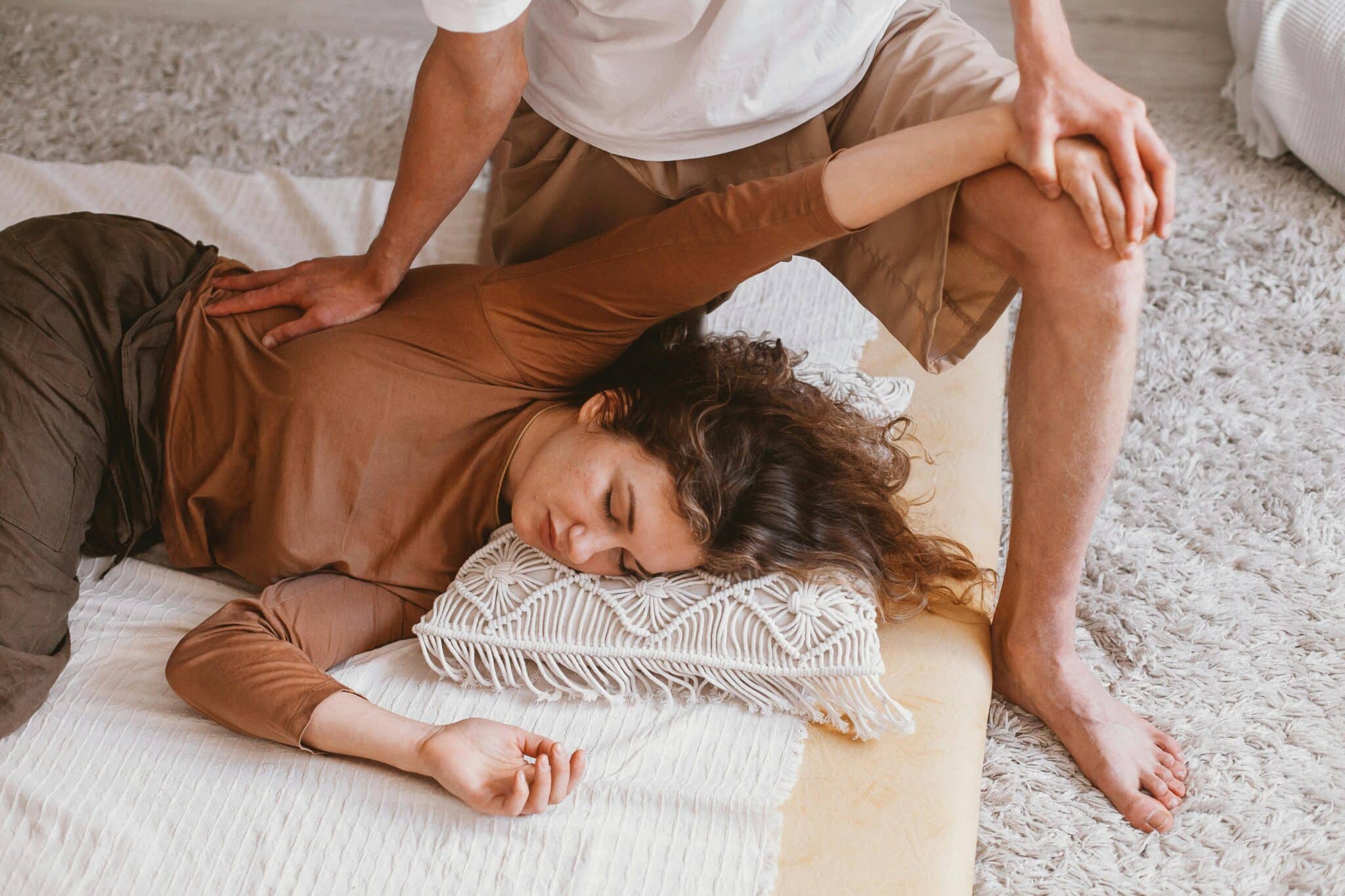
💡 Your Journey to Confident, Effective Touch
Every expert began as a curious beginner. The massage skills you develop now—however basic they may seem—lay the foundation for a lifetime of better health and more meaningful connections with those you care about.
Start simply, practice consistently, and trust your hands to learn what words cannot fully teach. The body responds to genuine intention as much as technical precision. Your sincere desire to provide comfort communicates through your touch in ways that technique alone never could.
Notice how your practice affects not just those you work with, but your own stress levels and body awareness. As you learn to facilitate relaxation in others, you naturally develop greater capacity to recognize and release your own tensions.
Remember that massage is both an art and a science—there’s room for creativity, intuition, and personal style within the framework of safe, effective techniques. Allow your unique approach to emerge as you gain experience and confidence.
The hands you already possess contain remarkable healing potential. With knowledge, practice, and compassionate intention, you can transform them into powerful tools for relieving stress, releasing tension, and bringing genuine comfort to daily life. Your journey into massage begins with a single touch—and that first step opens doors to wellness that extend far beyond anything you might imagine right now. 🌸
