
Anúncios
Learning Braille at home is now more accessible than ever, opening doors to inclusion and independence for everyone interested in this essential literacy system.



In today’s digital age, barriers to learning are rapidly dissolving. Technology has revolutionized how we approach education, particularly when it comes to specialized skills like Braille literacy. What once required specialized institutions and trained instructors can now be learned from the comfort of your living room, at your own pace, and often at little to no cost.
Anúncios
Whether you’re visually impaired, a parent of a blind child, an educator, or simply someone passionate about accessibility and inclusion, understanding Braille opens up meaningful opportunities for connection and empowerment. The journey to literacy in this tactile reading system is no longer restricted by geography, economics, or availability of resources. Let’s explore how you can master this remarkable communication tool right from your home. 📚
Why Learning Braille Still Matters in the Digital Era 🌐
With voice assistants, screen readers, and audiobooks becoming mainstream, some might question the relevance of Braille. However, this tactile writing system remains fundamentally important for literacy development, particularly for blind and visually impaired individuals.
Anúncios
Braille provides a direct connection to written language that audio technology simply cannot replicate. It enables users to understand spelling, punctuation, grammar, and formatting—skills essential for academic success and professional communication. Just as sighted individuals benefit from reading rather than only listening, Braille users gain deeper comprehension and retention through tactile reading.
Research consistently shows that Braille literacy correlates strongly with higher employment rates and educational achievement among blind individuals. Those who learn Braille early demonstrate better writing skills, improved language structure understanding, and greater confidence in communication.
Beyond practical benefits, Braille represents independence and dignity. It allows private reading of personal documents, medical information, and confidential materials without requiring assistance. In professional settings, Braille users can take notes during meetings, review presentations independently, and maintain privacy in their communications.
Understanding the Braille System: Simpler Than You Think ✨
Braille might look complex at first glance, but its structure is actually quite logical and learnable. Created by Louis Braille in 1824, this system uses combinations of six raised dots arranged in a rectangular cell pattern, numbered from one to six.
Each letter, number, or symbol is represented by a unique combination of these dots. The alphabet consists of predictable patterns that build upon each other, making memorization systematic rather than random. For example, the first ten letters (a-j) use only the top four dots, while the next ten letters (k-t) simply add the bottom left dot to those same patterns.
Numbers use the same patterns as the first ten letters, preceded by a special number indicator. Punctuation and special symbols follow similar logical arrangements. This systematic approach means that once you understand the foundational patterns, learning additional characters becomes progressively easier.
Contracted Braille, also known as Grade 2 Braille, introduces abbreviations and contractions that significantly speed up reading and reduce the physical space needed for text. While beginners typically start with uncontracted (Grade 1) Braille, learning the contracted form enhances efficiency and is essential for serious literacy.
Essential Resources for Home-Based Braille Learning 📱
The abundance of learning resources available today makes self-directed Braille education remarkably feasible. Digital applications have transformed accessibility, offering interactive lessons that adapt to individual learning speeds and styles.
Mobile apps provide structured curricula with progressive difficulty levels, gamified experiences that make learning engaging, and immediate feedback that reinforces correct techniques. Many incorporate audio instructions alongside tactile elements, creating multisensory learning experiences ideal for various learning preferences.
Physical resources remain equally important. Braille paper and styluses allow for hands-on practice writing Braille, developing the muscle memory essential for efficient production. Braille labelers help learners integrate Braille into daily life by marking household items, creating an immersive learning environment.
Online communities and forums connect learners with experienced Braille users who offer encouragement, answer questions, and share practical tips. YouTube channels dedicated to Braille instruction provide visual demonstrations helpful for sighted learners and those teaching blind family members.

Practical Steps to Start Your Braille Journey Today 🎯
Beginning your Braille education doesn’t require extensive preparation or expensive equipment. Start by downloading a reputable Braille learning app on your smartphone or tablet. These platforms typically offer free introductory lessons that cover basic concepts and the first letters of the alphabet.
Dedicate consistent time to practice—even fifteen minutes daily produces better results than sporadic longer sessions. Consistency helps build the tactile sensitivity and pattern recognition essential for fluent Braille reading.
Focus initially on recognizing individual letters before progressing to words. Practice writing each character multiple times, paying attention to the precise dot positions. This reinforces memory and develops the fine motor skills necessary for Braille production.
Create a learning schedule that includes both recognition (reading) and production (writing) exercises. Balanced practice in both skills accelerates overall literacy development and ensures comprehensive understanding of the Braille system.
Consider these practical steps for effective home learning:
- Start with the first ten letters of the alphabet, mastering them before advancing
- Practice with both digital and physical Braille materials for comprehensive learning
- Label common household items with Braille to create immersive practice opportunities
- Join online Braille learning communities for support and motivation
- Set realistic goals and celebrate small milestones to maintain enthusiasm
- Practice reading simple words and short sentences once you know basic letters
- Review previously learned material regularly to reinforce retention
Overcoming Common Challenges in Braille Acquisition 💪
Like any new skill, learning Braille presents challenges that can feel discouraging initially. Tactile sensitivity varies significantly among individuals, with some learners naturally more attuned to subtle dot patterns than others. This sensitivity typically improves with consistent practice as fingertips become more refined in their perception.
Confusion between similar patterns is normal, especially in early stages. Letters like “d” and “f” or “h” and “j” differ by only one dot position, requiring careful attention to distinguish. Systematic practice and mnemonic devices help overcome this confusion over time.
Developing reading speed takes patience. Beginning readers often progress slowly, focusing intensely on each character. This is expected and necessary for building foundational recognition skills. Speed naturally increases as patterns become familiar and finger movements more fluid.
For sighted learners teaching themselves Braille, an additional challenge involves resisting the temptation to rely on visual cues. True Braille literacy requires tactile reading ability, so practicing with eyes closed or wearing a sleep mask ensures authentic skill development.
Motivation can wane when progress feels slow. Setting small, achievable goals maintains momentum. Rather than aiming to master the entire Braille system immediately, focus on learning one new letter each day or reading one new word correctly. These incremental victories build confidence and sustain engagement.
Technology Tools That Accelerate Braille Mastery 🚀
Modern technology offers remarkable tools that enhance traditional Braille learning methods. Refreshable Braille displays connect to computers and smartphones, dynamically changing dot patterns to represent on-screen text. While expensive, these devices provide immediate access to digital content in Braille format, significantly expanding reading opportunities.
Braille translation software converts standard text into Braille notation, allowing learners to create practice materials from any written content. This technology enables customized learning materials tailored to individual interests, making practice more engaging and relevant.
Virtual reality and augmented reality applications are emerging as innovative learning platforms, creating interactive environments where users can practice Braille in simulated real-world contexts. Though still developing, these technologies show promising potential for immersive education.
Audio-tactile learning apps combine spoken instruction with tactile feedback, creating multisensory experiences that accommodate diverse learning styles. This approach particularly benefits learners who process information better through multiple simultaneous input channels.
Creating an Inclusive Learning Environment at Home 🏡
Transforming your living space into a Braille-rich environment accelerates learning and normalizes the system as part of daily life. Begin by labeling frequently used items—kitchen containers, bathroom products, clothing drawers, and electronic devices. This practical application reinforces learning while building useful independent living skills.
Establish a dedicated learning space with good lighting (for sighted learners or instructors), comfortable seating, and organized materials. Having a consistent study area helps create a routine and signals to your brain that it’s time to focus on learning.
If teaching Braille to a child, make the environment playful and exploratory. Create Braille matching games, treasure hunts with Braille clues, and storytelling activities using Braille books. Positive associations with Braille learning foster enthusiasm and persistence.
Include family members in the learning process when possible. When everyone understands basic Braille, it becomes a shared communication tool rather than an isolating skill. This collective approach builds support systems and demonstrates genuine commitment to inclusion.
The Social Impact of Braille Literacy Skills 🤝
Learning Braille extends beyond personal benefit, contributing to broader social inclusion and accessibility awareness. When sighted individuals understand Braille, they become better advocates for accessibility in public spaces, workplaces, and educational institutions.
Parents who learn Braille alongside their visually impaired children demonstrate solidarity and commitment, strengthening family bonds and enabling better educational support. Teachers with Braille knowledge can more effectively include blind students in classroom activities and provide appropriate learning materials.
Professionals in healthcare, hospitality, transportation, and public service who understand Braille can better serve visually impaired clients and customers. This knowledge signals respect and commitment to inclusive service, enhancing organizational reputation and community relationships.
Braille literacy among sighted individuals also preserves and promotes the system itself, ensuring continued relevance and development. As more people recognize its importance, support for Braille education, signage, and materials increases, benefiting the entire blind and visually impaired community.
Measuring Progress and Setting Achievable Milestones 📊
Tracking your Braille learning journey helps maintain motivation and identify areas needing additional practice. Establish clear benchmarks for different skill levels, celebrating achievements as you reach them.
Beginning milestones might include recognizing all letters of the alphabet, reading simple three-letter words, or writing your name in Braille. Intermediate goals could involve reading short sentences fluently, understanding basic contractions, or labeling twenty household items.
Advanced objectives include reading full paragraphs with comprehension, writing correspondence in Braille, or teaching basic Braille to someone else. These higher-level goals demonstrate true literacy and mastery of the system.
Consider maintaining a learning journal where you document progress, challenges encountered, and strategies that worked well. This reflection reinforces learning and provides valuable reference material when plateaus occur.
Regular self-assessment helps identify weak areas requiring focused practice. If certain letter combinations consistently cause confusion, dedicate extra time to those specific patterns before advancing to new material.
Connecting Theory to Real-World Application 🌍
The true value of Braille literacy emerges when applying it in practical, everyday situations. Visit public spaces and locate Braille signage—elevators, restrooms, building directories—and practice reading these real-world applications.
Explore Braille menus at restaurants, medication labels at pharmacies, and product information in stores. These authentic encounters reinforce learning while demonstrating Braille’s practical utility in daily navigation and decision-making.
Consider volunteering with organizations serving blind and visually impaired individuals. Practical experience using Braille in meaningful contexts accelerates skill development while contributing to community welfare.
Connect with Braille users through accessibility organizations, support groups, or online communities. Conversations with fluent Braille readers provide insights into advanced techniques, practical tips, and motivation to continue learning.
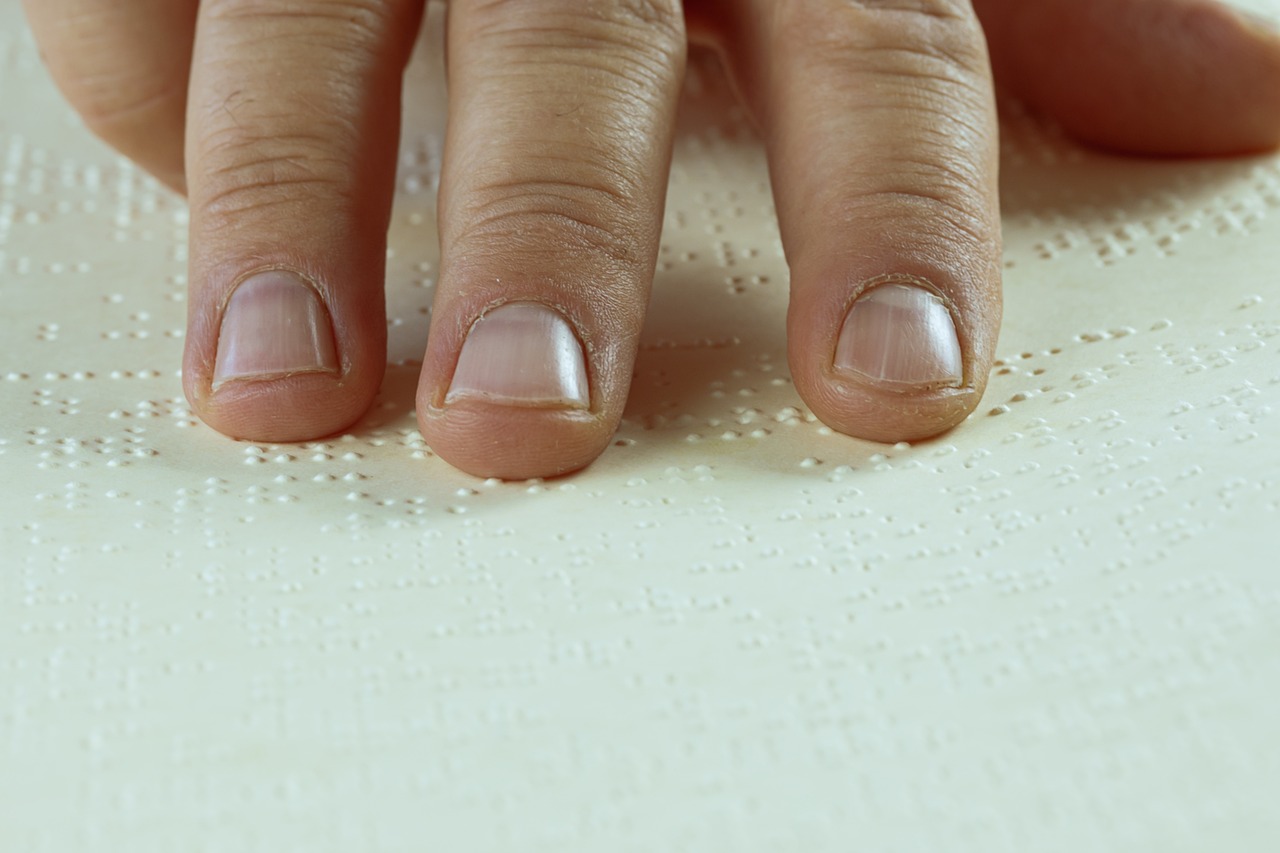
Empowering Yourself Through Tactile Literacy 💫
Learning Braille represents more than acquiring a new skill—it embodies a commitment to inclusion, empathy, and expanding human connection. Every person who learns Braille contributes to a more accessible world where visual impairment doesn’t limit communication or opportunity.
For blind and visually impaired individuals, Braille literacy offers independence, privacy, and full participation in literate society. For sighted learners, it provides unique cognitive benefits, enhanced empathy, and the ability to bridge communication gaps.
The journey may present challenges, but modern resources make learning from home entirely achievable. With dedication, consistency, and the right tools, you can master this remarkable system and join a global community committed to accessibility and inclusion.
Start today with just fifteen minutes of practice. Download a learning app, order basic Braille materials, or join an online community. Each small step forward contributes to your growing literacy and the broader movement toward universal accessibility. The opportunities for inclusion are indeed abundant in our interconnected world—embrace them by learning Braille and opening new pathways for connection and understanding. 🎓
