
Anúncios
Learning traffic signs is more than just passing a driving test—it’s about protecting lives, respecting the law, and becoming a responsible driver wherever you go.



Every day, millions of drivers navigate busy roads, highways, and residential streets. Among all the skills needed to drive safely, understanding traffic signs stands as one of the most fundamental. These visual cues communicate critical information instantly, transcending language barriers and creating a universal road language.
Anúncios
Yet many drivers overlook the deeper importance of traffic sign literacy. Beyond the exam room, these symbols serve as silent guardians on every journey, preventing collisions, guiding decisions, and ensuring everyone shares the road safely. When drivers truly understand what each sign means and why it exists, they transform from rule-followers into aware, conscientious participants in the traffic ecosystem. 🚗
Why Traffic Signs Matter Beyond the Exam 📋
Most aspiring drivers view traffic signs as obstacles to overcome during their licensing exam. They memorize shapes and colors just long enough to pass the test, then gradually forget the nuances. This approach creates a dangerous knowledge gap that persists throughout their driving lives.
Anúncios
Traffic signs exist for specific, often life-saving reasons. A yield sign at a particular intersection isn’t arbitrary—it’s placed there because visibility is limited or traffic patterns create potential conflicts. A speed limit reduction before a curve reflects engineering data about safe vehicle handling at that location.
When drivers understand the “why” behind each sign, they respond more appropriately to road conditions. They anticipate hazards, adjust their behavior proactively, and make informed decisions that protect themselves and others. This knowledge becomes especially crucial when driving in unfamiliar areas or during challenging conditions like rain, fog, or nighttime travel.
The Real-World Consequences of Sign Ignorance
Statistics consistently show that failure to observe or understand traffic signs contributes to a significant percentage of accidents. A driver who doesn’t recognize a “slippery road” warning may maintain excessive speed during rain. Someone who misinterprets a merge sign might create a dangerous situation in highway traffic.
These aren’t hypothetical scenarios—they happen daily on roads worldwide. The consequences range from minor fender-benders to catastrophic multi-vehicle collisions. Property damage, injuries, legal liability, increased insurance premiums, and even fatalities can all trace back to a simple failure to understand road signage properly.
The Universal Language of the Road 🌍
One of the most remarkable aspects of traffic signs is their international consistency. The Vienna Convention on Road Signs and Signals, adopted by numerous countries, established standardized symbols that drivers can recognize across borders. This standardization makes international travel safer and more accessible.
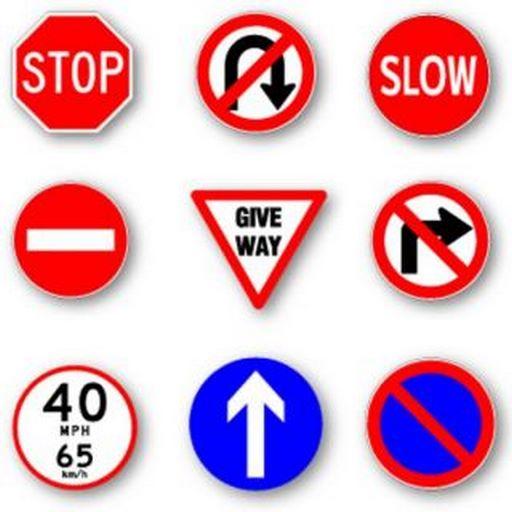
A red octagon means “stop” whether you’re in Tokyo, Toronto, or Toulouse. Triangular signs typically warn of hazards, while circular signs usually give orders. These universal principles allow drivers to navigate foreign roads with confidence, even when they don’t speak the local language.
However, regional variations do exist, making comprehensive knowledge even more valuable. Speed limits might be displayed in kilometers per hour or miles per hour. Some countries use unique signs for specific local conditions. A well-educated driver recognizes both the universal patterns and watches for local adaptations.
Categories of Traffic Signs You Must Master
Traffic signs fall into distinct categories, each serving a specific purpose in the communication system between infrastructure and drivers. Understanding these categories helps organize knowledge and improves recognition speed.
Regulatory Signs: The Rules of the Road 🛑
Regulatory signs tell drivers what they must or must not do. These include stop signs, yield signs, speed limits, turn restrictions, and parking regulations. Violating regulatory signs typically carries legal penalties because they enforce traffic laws directly.
The stop sign is perhaps the most recognized regulatory sign worldwide. Its distinctive red octagonal shape ensures visibility even when partially obscured or faded. The requirement is clear: come to a complete stop, check for traffic and pedestrians, then proceed only when safe.
Speed limit signs represent another critical category of regulatory signage. These numbers aren’t suggestions—they reflect maximum safe speeds determined through engineering analysis of road conditions, sight distances, and traffic patterns. Respecting these limits reduces accident severity and gives drivers more time to react to unexpected situations.
Warning Signs: Anticipate the Unexpected ⚠️
Warning signs alert drivers to potential hazards ahead. These typically use yellow or orange backgrounds with black symbols and include warnings for curves, intersections, pedestrian crossings, animal crossings, slippery conditions, falling rocks, and countless other potential dangers.
The effectiveness of warning signs depends entirely on driver recognition and response. A driver who sees a “sharp curve ahead” sign but doesn’t reduce speed gains no benefit from the warning. These signs provide advance notice, allowing drivers to adjust their speed, position, and attention level before encountering the hazard.
Some warning signs indicate temporary conditions, such as construction zones or accident sites. These often use orange backgrounds to distinguish them from permanent warnings. Because these situations change frequently, drivers must remain especially vigilant when encountering temporary warning signage.
Informational and Guide Signs: Navigation Made Easy 🗺️
Informational signs help drivers navigate efficiently and locate services. Highway exit numbers, distance markers, route shields, hospital locations, gas stations, and rest areas all fall into this category. While not directly safety-related, these signs reduce driver confusion and prevent dangerous last-minute maneuvers.
Highway guide signs use specific color coding: green for directional information on highways, blue for motorist services, and brown for recreational or cultural sites. This color system allows drivers to quickly identify the type of information being provided without reading every word.
Understanding guide signs becomes particularly important on unfamiliar routes or during long-distance travel. A driver who can’t interpret these signs may miss necessary exits, leading to fatigue from extended driving, unsafe U-turns, or hazardous backtracking maneuvers.
Memory Techniques for Long-Term Retention 🧠
Memorizing traffic signs for an exam is one thing; retaining that knowledge for decades of driving is another. Effective learning strategies ensure that sign recognition becomes automatic and permanent.
Association and Visualization
The human brain excels at remembering visual patterns and associations. Instead of simply memorizing that a particular symbol means “school zone,” create a mental story connecting the symbol to its meaning. Picture children crossing the street, hear school bells ringing, imagine the increased caution required.
Color associations also aid memory. Red universally signals prohibition or mandatory stop. Yellow indicates caution and warnings. Blue provides information. Green guides toward destinations. These color conventions aren’t arbitrary—they leverage psychological responses to color that humans share across cultures.
Active Practice in Real-World Conditions
The most effective learning happens through active engagement. When riding as a passenger or during driving practice, challenge yourself to identify every sign and verbalize its meaning. This active recall strengthens neural pathways far more effectively than passive review.
Modern technology offers excellent practice tools. Mobile applications provide interactive quizzes using actual traffic sign images from various countries. These apps track progress, identify weak areas, and provide spaced repetition—a learning technique proven to enhance long-term retention.
Understanding Context and Purpose
Signs make more sense when you understand why they exist. Research the reasoning behind different signs. Why are some warnings placed far before the hazard while others appear immediately adjacent? What engineering principles determine speed limit numbers? How do sign placement and sizing ensure visibility?
This deeper understanding transforms rote memorization into genuine comprehension. You’ll remember signs more easily because they’ll make logical sense rather than appearing as arbitrary symbols to memorize.
Legal Responsibilities and Consequences ⚖️
Every licensed driver accepts legal responsibility to know, understand, and obey traffic signs. Ignorance provides no defense in court. “I didn’t see the sign” or “I didn’t know what it meant” won’t prevent tickets, fines, license points, or liability in accidents.
Traffic violations create cascading consequences beyond immediate fines. Insurance premiums increase significantly after violations. Accumulating points can lead to license suspension, requiring costly reinstatement processes. In accidents where sign violation contributed to the collision, drivers face civil liability for damages and injuries.
More seriously, in accidents resulting in injuries or fatalities, sign violations can elevate charges from simple traffic infractions to criminal offenses. Negligent driving causing harm carries potential jail time, permanent criminal records, and life-altering consequences.
Insurance and Financial Impact
Insurance companies assess risk based partly on driving records. Traffic violations signal higher risk, resulting in premium increases that persist for years. A single ticket for running a stop sign might cost a few hundred dollars in fines, but thousands in increased insurance costs over time.
At-fault accidents compound these costs. Deductibles, increased premiums, potential policy cancellation, and difficulty obtaining new coverage all create financial burdens. When sign violations contribute to accidents, drivers bear full financial responsibility for damages, medical bills, and legal costs.
Adapting Knowledge to Different Environments 🌐
Effective sign literacy requires adaptability. Urban driving presents dense information requiring quick processing. Rural roads may have fewer signs but demand attention to warnings about wildlife, agricultural vehicles, or unmarked intersections. Highway driving involves high-speed decisions based on guide signs and warnings.
International Driving Considerations
Drivers planning international travel should research local signage conventions before departing. While many signs follow international standards, regional variations exist. Some countries use text-based signs more extensively. Others have unique symbols for local conditions.
Speed limits particularly vary internationally. Some countries use kilometers per hour exclusively, others use miles per hour. Understanding conversion factors and recognizing which system applies prevents violations and accidents. Additionally, enforcement methods differ—some countries use extensive automated cameras while others rely primarily on police patrols.
Seasonal and Conditional Signage
Many jurisdictions use conditional signage that applies only during specific times or conditions. “School zone speed limit when children present” signs require drivers to assess the situation and adjust behavior accordingly. Winter months might activate snow route parking restrictions. Rush hour lanes change direction based on traffic flow.
These conditional signs demand higher awareness and interpretation skills. Drivers must read not just the primary message but also the supplementary conditions, then determine whether those conditions currently apply. This complexity underscores why thorough sign education matters—simple memorization proves insufficient for real-world driving.
Technology and Modern Signage Evolution 🚦
Traffic signs continue evolving with technology. Electronic signs display variable messages based on current conditions—traffic congestion, weather hazards, or emergency situations. These dynamic signs provide real-time information that static signs cannot.
Smart cities increasingly integrate traffic management systems that coordinate signals and signs to optimize flow and safety. Drivers approaching these systems benefit from understanding both traditional signage and electronic messaging conventions.
Vehicle technology also changes how drivers interact with signs. Many modern cars include sign recognition systems that detect speed limits, stop signs, and other critical signage, displaying them on dashboard screens or head-up displays. While these systems assist drivers, they shouldn’t replace fundamental sign knowledge—technology fails, and drivers must maintain competency independent of electronic aids.
Teaching Sign Awareness to New Generations 👨👩👧👦
Experienced drivers play crucial roles in teaching traffic sign awareness to learners. Parents, driving instructors, and mentors should emphasize not just passing exams but developing genuine understanding and lifelong habits.
Start teaching sign awareness early, even before children reach driving age. Point out signs during family trips, explain their meanings, and discuss why they matter. This early exposure builds foundational knowledge that makes formal driver education more effective later.
When teaching teen drivers, emphasize that sign knowledge protects their independence. Understanding and respecting traffic signs keeps them legally compliant, financially secure, and physically safe. Frame sign learning not as arbitrary rules but as empowering information that enables confident, responsible driving.
Maintaining Knowledge Throughout Your Driving Life 🔄
Traffic sign knowledge requires maintenance. New signs are introduced periodically. Regulations change. Personal memory fades without reinforcement. Committed drivers periodically refresh their knowledge to maintain high competency levels.
Consider reviewing traffic sign materials every few years, especially before long trips or when planning to drive in new regions. Take advantage of online resources, mobile apps, and practice tests to identify areas where your knowledge may have weakened.
Pay attention to signs you don’t immediately recognize. Rather than guessing or ignoring them, research their meanings. This curiosity-driven learning ensures continuous improvement throughout your driving career.
The Broader Impact of Sign Literacy on Road Safety 🛣️
When individual drivers master traffic signs, collective road safety improves dramatically. Traffic flows more smoothly when everyone understands and follows the same rules. Accidents decrease when drivers anticipate hazards and respond appropriately to warnings. Emergency vehicles navigate more efficiently when drivers properly interpret priority signs.
This collective benefit creates a positive feedback loop. Safer roads encourage more people to drive confidently and responsibly. Reduced accidents lower societal costs—fewer emergency responses, less medical treatment, decreased property damage, and improved productivity as people reach destinations safely and efficiently.
Communities with high traffic sign literacy experience tangible quality-of-life improvements. Pedestrians feel safer crossing streets. Cyclists navigate with greater security. Parents worry less about teen drivers. Elderly drivers maintain independence longer. These benefits extend far beyond individual compliance—they transform entire transportation ecosystems.
Your Commitment to Continuous Road Safety Excellence ✨
Understanding traffic signs represents a fundamental commitment to excellence in driving. It demonstrates respect for fellow road users, acknowledgment of legal responsibilities, and dedication to personal and public safety.
This knowledge isn’t static or complete once you pass a driving exam. It’s an evolving competency that grows through experience, study, and conscious attention. Every journey offers opportunities to reinforce recognition, interpret new signs, and refine your understanding of traffic communication.
The investment you make in truly learning traffic signs pays dividends throughout your driving life. You’ll drive with greater confidence, navigate unfamiliar areas more easily, avoid costly violations, reduce accident risk, and set positive examples for other drivers.
Most importantly, your sign literacy directly contributes to preventing accidents and saving lives. That split-second recognition of a warning sign, the automatic response to a regulatory instruction, the clear understanding of navigational guidance—these moments of competency can mean the difference between arriving safely and facing tragedy.
Traffic signs represent more than colored metal and reflective symbols along roadways. They’re a carefully designed communication system that keeps millions of people safe every day. By committing to thorough understanding and lifelong learning, you become an active participant in this safety system, protecting yourself and contributing to the wellbeing of everyone who shares the road with you. 🚙💨
