
Anúncios
The accordion is more than just a musical instrument—it’s a cultural treasure that has brought joy, rhythm, and emotion to generations across the world.



Whether you’ve been captivated by the lively sounds of folk music, enchanted by tango melodies, or moved by traditional forró rhythms, the accordion has likely played a starring role. Learning to play this versatile instrument opens a doorway to expressing emotions, connecting with cultural roots, and experiencing the pure joy of making music.
Anúncios
If you’ve ever dreamed of mastering the accordion, now is the perfect time to start. With modern learning tools, dedicated practice, and a passion for music, anyone can learn to play this timeless instrument and carry forward its rich legacy.
🎵 Why the Accordion Holds a Special Place in Music History
The accordion emerged in the early 19th century and quickly became a beloved instrument across continents. Its portability, expressive range, and distinctive sound made it ideal for folk musicians, street performers, and classical composers alike.
Anúncios
From the cafés of Paris to the villages of Eastern Europe, from the heartlands of Brazil to the bustling streets of Buenos Aires, the accordion has been the soundtrack to celebrations, storytelling, and shared human experiences. Its ability to convey both melancholy and exuberance has made it indispensable in countless musical traditions.
Today, the accordion continues to inspire new generations of musicians. Modern accordionists blend traditional styles with contemporary genres, proving that this classic instrument remains as relevant and exciting as ever.
🎹 Understanding the Accordion: Types and Characteristics
Before diving into lessons, it’s helpful to understand the main types of accordions available. Each type has unique characteristics suited to different musical styles and learning preferences.
Piano Accordion
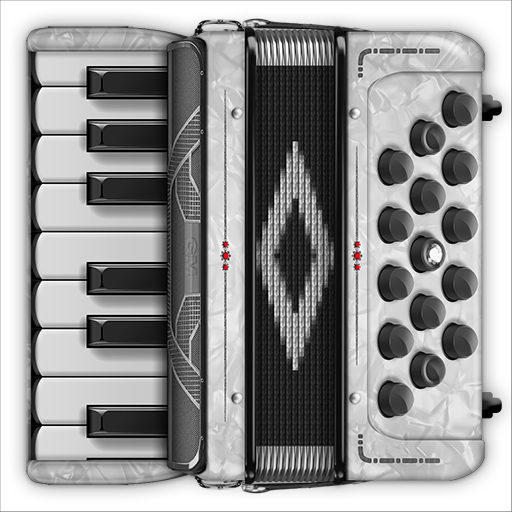
The piano accordion features a keyboard on the right-hand side similar to a piano, making it intuitive for those with keyboard experience. This type is popular in classical music, jazz, and contemporary arrangements. The left hand operates bass buttons that provide rhythm and harmonic accompaniment.
Button Accordion (Chromatic and Diatonic)
Button accordions use buttons instead of piano keys. The chromatic button accordion offers a full chromatic scale and is common in European folk music and classical performance. The diatonic accordion, used extensively in traditional styles like forró, conjunto, and cajun music, produces different notes depending on whether the bellows are pushed or pulled.
Concertina
Though technically a different family, concertinas share similarities with accordions. They’re smaller, hexagonal, and produce sound through buttons on both ends. They’re particularly popular in English and Irish traditional music.
✨ The Benefits of Learning to Play Accordion
Learning any musical instrument enriches your life in countless ways, but the accordion offers some particularly unique advantages.
Cognitive Development and Mental Agility
Playing accordion requires coordination between both hands, each performing different tasks simultaneously. Your right hand manages melody while your left handles bass and chords. This bilateral coordination strengthens neural pathways and enhances cognitive flexibility.
Cultural Connection and Heritage
For many people, the accordion represents a direct link to their cultural heritage. Learning to play traditional songs connects you with ancestral roots and helps preserve musical traditions for future generations.
Social Opportunities and Community
Accordionists are always welcome at gatherings, festivals, and community events. The instrument’s portability means you can bring music wherever you go, creating instant connections with others who share your passion.
Emotional Expression and Well-being
Music provides a healthy outlet for emotions. The accordion’s expressive capabilities—from tender whispers to powerful crescendos—allow you to communicate feelings that words cannot capture. Regular practice and performance can reduce stress, boost mood, and increase overall life satisfaction.
🚀 Getting Started: Your First Steps to Playing Accordion
Beginning any new instrument can feel overwhelming, but breaking the learning process into manageable steps makes the journey enjoyable and achievable.
Choosing Your First Accordion
Your first accordion doesn’t need to be expensive or professional-grade. Many beginners start with student models or quality used instruments. Visit local music stores, consult with experienced players, and consider renting before purchasing.
Consider the weight and size, especially if you’re a younger player or have physical limitations. A smaller, lighter accordion may be more comfortable during extended practice sessions.
Understanding Basic Posture and Positioning
Proper posture prevents injury and allows for better control. Sit upright with both feet flat on the floor. The accordion should rest comfortably on your left thigh with straps properly adjusted across your shoulders and back.
Your right hand should hover naturally over the keyboard or buttons, and your left hand should access the bass buttons without strain. The instrument should feel balanced, not pulling you forward or backward.
Learning to Control the Bellows
The bellows are the heart of the accordion, producing the air flow that creates sound. Learning smooth, controlled bellows movement is fundamental to producing beautiful tone quality.
Practice opening and closing the bellows evenly without playing notes. Focus on maintaining consistent air pressure rather than rushing or jerking the movement. This foundational skill impacts every aspect of your playing.
🎼 Essential Techniques Every Beginner Should Master
Once you’re comfortable with basic positioning, you can begin developing specific technical skills that form the foundation of accordion playing.
Right Hand Melody Playing
Start with simple melodies using one finger, then gradually incorporate multiple fingers. Practice scales to build finger independence and muscle memory. Begin with C major scale, focusing on even tone and smooth transitions between notes.
As you progress, practice simple folk melodies and children’s songs. These familiar tunes help you focus on technique rather than learning complicated musical material.
Left Hand Bass and Chord Patterns
The left-hand bass buttons are arranged in a systematic pattern called the Stradella system (on most accordions). Learning this pattern unlocks the harmonic possibilities of the instrument.
Start by locating the middle C bass button, usually marked with a dimple or indentation. From there, practice finding the fundamental bass notes and their corresponding major chords. Simple two-chord songs provide excellent practice material for coordinating bass patterns with right-hand melodies.
Coordination Between Hands
Initially, your hands may feel completely uncoordinated. This is normal. Practice each hand separately until you can play each part confidently, then slowly combine them.
Start with pieces where the left hand plays on strong beats while the right hand sustains longer notes. Gradually progress to more complex rhythmic relationships between hands.
📚 Learning Resources and Practice Methods
The modern accordion student has access to more learning resources than ever before, from traditional method books to digital apps and online communities.
Traditional Method Books
Structured method books provide progressive lessons that build skills systematically. Popular options include Palmer-Hughes Accordion Course, Mel Bay’s Modern Accordion Method, and various regional-specific tutors for different accordion styles.
Digital Learning Tools and Apps
Mobile applications can supplement traditional learning by providing practice accompaniment, interactive lessons, and immediate feedback. Apps allow you to practice anywhere and often include features like tempo adjustment and play-along tracks.
Online Video Tutorials
YouTube and specialized music education platforms host thousands of accordion tutorials covering everything from absolute beginner lessons to advanced techniques. Visual learning helps you understand hand positioning, bellows control, and musical interpretation.
Finding a Qualified Teacher
While self-study has value, nothing replaces personalized instruction from an experienced teacher. A good teacher identifies your specific challenges, corrects technical issues before they become habits, and accelerates your progress significantly.
Look for teachers through music schools, accordion associations, and online directories. Many instructors now offer virtual lessons, expanding your options beyond local geography.
🎯 Setting Realistic Goals and Staying Motivated
Learning any instrument requires patience, consistency, and realistic expectations. Setting achievable goals keeps you motivated throughout your musical journey.
Short-Term Goals
Focus on mastering specific techniques or learning particular songs. Examples include playing scales smoothly, mastering the bass button layout, or learning your first complete song.
Medium-Term Goals
These might include performing for friends and family, joining an accordion group, or mastering a particular musical style. Medium-term goals give direction to your daily practice.
Long-Term Vision
Where do you see yourself as an accordionist in several years? Perhaps performing publicly, teaching others, or simply enjoying the deep personal satisfaction of musical proficiency. Having a vision helps maintain motivation during challenging periods.
Overcoming Practice Plateaus
Every musician experiences plateaus where progress seems to stall. During these times, try changing your practice routine, exploring new musical styles, or revisiting favorite pieces with fresh interpretation. Sometimes simply taking a short break refreshes motivation and perspective.
🌍 Exploring Different Musical Styles on Accordion
One of the accordion’s greatest strengths is its versatility across musical genres. Exploring different styles keeps learning fresh and expands your musical vocabulary.
Traditional Folk Music
Folk traditions worldwide feature accordion prominently. Whether Irish reels, Eastern European polkas, French musette, or Brazilian forró, folk music offers rhythmic vitality and cultural depth. Learning traditional tunes connects you with living musical heritage.
Tango and Latin Styles
The bandoneón, a type of concertina, is essential to Argentine tango, but piano accordion adapts beautifully to tango’s passionate expression. Latin styles including cumbia, vallenato, and conjunto showcase the accordion’s rhythmic versatility.
Classical and Art Music
Serious composers have written substantial works for accordion, proving its legitimacy as a concert instrument. Exploring classical repertoire develops refined technique and musical interpretation.
Jazz and Contemporary Fusion
Modern accordionists push boundaries by incorporating jazz improvisation, rock energy, and electronic elements. Contemporary styles demonstrate the instrument’s ongoing evolution and relevance.
🛠️ Maintaining Your Accordion
Proper maintenance ensures your accordion remains playable and sounds its best for years to come.
Regular Cleaning
Dust and debris can affect reeds and mechanics. Wipe down the exterior with a soft cloth after playing. Keep the instrument in its case when not in use to protect it from environmental damage.
Professional Servicing
Have your accordion professionally serviced every few years. Technicians can tune reeds, adjust valves, replace worn parts, and address mechanical issues before they become serious problems.
Proper Storage
Store your accordion in a climate-controlled environment away from extreme temperatures and humidity. Always release bellows straps when storing to avoid unnecessary pressure on the bellows.
👥 Joining the Accordion Community
Music is inherently social, and connecting with other accordionists enriches your learning experience immeasurably.
Local Accordion Clubs and Associations
Many regions have accordion clubs that host regular meetings, workshops, and performances. These gatherings provide opportunities to meet fellow enthusiasts, share knowledge, and enjoy music together.
Festivals and Competitions
Accordion festivals celebrate the instrument through concerts, workshops, and competitions. Attending festivals exposes you to diverse styles and exceptional players, inspiring your own musical development.
Online Communities
Digital forums, social media groups, and video platforms host vibrant accordion communities. These spaces allow you to ask questions, share progress, and connect with players worldwide regardless of geographic distance.
🎊 The Joy of Performance
Ultimately, music exists to be shared. Performing, even informally, transforms your relationship with the instrument and deepens your musical understanding.
Starting with Informal Settings
Begin by playing for supportive friends and family. These low-pressure environments help you develop performance confidence without overwhelming anxiety.
Community Venues
Many communities welcome musicians at farmers markets, senior centers, community centers, and festivals. These venues appreciate live music and provide welcoming audiences for developing performers.
Recording Your Progress
Modern technology makes recording easy and valuable. Regularly recording yourself allows you to track progress objectively, identify areas needing improvement, and capture memorable moments in your musical journey.

💫 Embracing the Accordion’s Timeless Appeal
As you embark on your accordion journey, remember that every master was once a beginner. The accordion rewards patience, practice, and passion with a lifetime of musical fulfillment.
This instrument has survived technological revolutions, shifting musical tastes, and countless cultural transformations precisely because it speaks to something fundamental in human experience. Its sound carries memories, evokes emotions, and creates connections across generations and cultures.
Whether you’re drawn to traditional styles or contemporary innovations, whether you dream of concert stages or intimate gatherings with friends, the accordion offers a unique path to musical expression. Each practice session brings you closer to fluency, each learned song adds to your repertoire, and each performance strengthens your confidence.
The accordion’s bellows breathe life into melodies, its reeds sing with distinctive voice, and its rhythms move feet and hearts alike. By learning this remarkable instrument, you join a global community of musicians who understand its magic and carry forward its legacy.
Today is the perfect day to begin your accordion adventure. Pick up the instrument, open those bellows, and let the music flow. The generations of joy this instrument has created now await your contribution to its continuing story. 🎶
