
Anúncios
Physical therapy has evolved beyond clinic walls, and now you can manage your treatment at home with the help of intuitive mobile apps designed to improve mobility, reduce pain, and support your overall health. 📱



The digital revolution has transformed healthcare delivery, bringing professional-grade physiotherapy right to your smartphone. Whether you’re recovering from an injury, managing chronic pain, or simply looking to maintain optimal mobility, modern apps offer personalized exercise routines, progress tracking, and expert guidance without leaving your home.
Anúncios
This shift toward home-based therapy isn’t just convenient—it’s empowering. You gain control over your rehabilitation schedule, reduce healthcare costs, and maintain consistency in your treatment plan. Let’s explore how these innovative tools are changing the landscape of physical therapy and helping people reclaim their quality of life.
🏠 The Rise of Home-Based Physiotherapy Solutions
Traditional physiotherapy often requires multiple weekly visits to clinics, which can be challenging for those with mobility issues, busy schedules, or limited access to healthcare facilities. The emergence of physiotherapy apps addresses these barriers by delivering evidence-based exercises directly to users through their mobile devices.
Anúncios
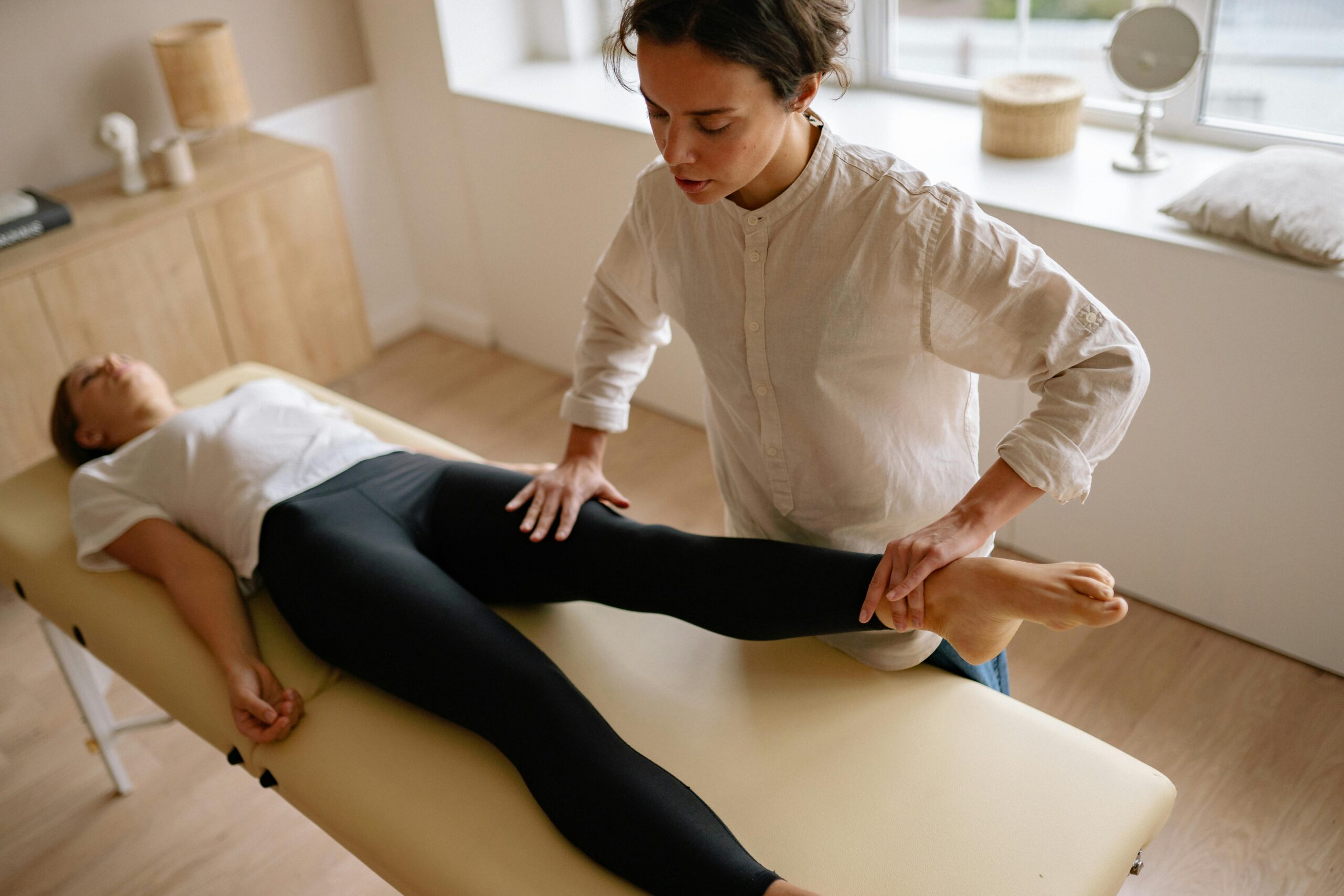
These applications aren’t meant to replace professional care entirely but rather complement it. Many apps are designed in collaboration with licensed physiotherapists and feature video demonstrations, customizable routines, and reminder systems that keep you accountable to your rehabilitation goals.
The COVID-19 pandemic accelerated the adoption of telehealth services, including virtual physiotherapy. What began as a necessity has revealed the significant benefits of home-based care, including improved adherence rates and better long-term outcomes for many conditions.
💪 Key Benefits of App-Based Physiotherapy
Using physiotherapy apps offers numerous advantages that extend beyond simple convenience. Understanding these benefits can help you make informed decisions about incorporating digital tools into your wellness routine.
Accessibility and Convenience
Perhaps the most obvious benefit is accessibility. With an app installed on your smartphone or tablet, you have a physiotherapist in your pocket 24/7. This means you can perform exercises during lunch breaks, before breakfast, or whenever your schedule permits—no appointment necessary.
For individuals living in rural areas with limited access to specialized care, these apps serve as a lifeline, connecting them with evidence-based treatment protocols that might otherwise be unavailable in their communities.
Cost-Effectiveness
Traditional physiotherapy sessions can be expensive, especially when insurance coverage is limited. While apps may require subscription fees, they typically cost a fraction of in-person visits, making consistent care more affordable for a broader population.
Many apps offer free basic versions with premium upgrades available, allowing users to explore the platform before committing financially. This democratization of healthcare knowledge helps level the playing field for those with limited resources.
Personalization and Progress Tracking
Advanced physiotherapy apps use algorithms to customize exercise programs based on your specific condition, fitness level, and progress. As you complete exercises and provide feedback, the app adjusts difficulty and focuses on areas requiring additional attention.
Built-in tracking features allow you to visualize your improvement over time, which serves as powerful motivation. Seeing tangible evidence of your progress—whether increased range of motion, reduced pain levels, or improved strength—reinforces positive behaviors and encourages consistency.
📱 Top Features to Look for in Physiotherapy Apps
Not all physiotherapy apps are created equal. When selecting a platform to support your rehabilitation or wellness journey, consider these essential features that distinguish quality applications from basic exercise libraries.
Video Demonstrations and Instructions
Clear, high-quality video demonstrations are crucial for proper exercise execution. Look for apps featuring multiple camera angles, slow-motion options, and detailed verbal instructions that help you understand proper form and technique.
Poor form can not only reduce exercise effectiveness but also risk injury. The best apps include tips on common mistakes and modifications for different ability levels, ensuring safe practice for all users.
Customizable Exercise Programs
Your shoulder injury requires different treatment than someone’s knee rehabilitation. Quality apps allow customization based on your specific condition, symptoms, and goals. Some platforms even enable healthcare providers to prescribe specific routines directly through the app.
The ability to adjust exercise duration, intensity, and frequency ensures the program adapts to your evolving needs throughout the recovery process.
Reminder and Scheduling Systems
Consistency is key to successful rehabilitation. Apps with robust reminder systems help establish routine by sending notifications at your preferred exercise times. This feature combats the common challenge of forgetting or postponing therapy sessions.
Smart scheduling accommodates your lifestyle, allowing you to set different routines for different days based on your work schedule, energy levels, or other commitments.
Pain and Progress Tracking
Documenting your pain levels, range of motion, and functional improvements provides valuable data for both you and your healthcare provider. Apps with comprehensive tracking features enable pattern recognition and informed treatment adjustments.
Some applications generate detailed reports that can be shared with your physiotherapist during check-ups, facilitating more productive consultations and collaborative care planning.

🎯 Common Conditions Managed Through App-Based Therapy
Physiotherapy apps effectively address a wide range of musculoskeletal conditions and mobility challenges. Understanding which conditions benefit most from digital intervention can help you determine if this approach suits your needs.
Back and Neck Pain
Chronic back and neck pain affects millions globally, often resulting from poor posture, sedentary lifestyles, or previous injuries. Apps targeting these areas typically include strengthening exercises, stretching routines, and postural correction techniques.
Many programs incorporate core stabilization exercises that address the root causes of spinal pain rather than merely treating symptoms, leading to more sustainable long-term relief.
Joint Problems and Arthritis
Arthritis management requires consistent, gentle movement to maintain joint mobility and reduce stiffness. Physiotherapy apps designed for arthritis sufferers feature low-impact exercises that can be performed regardless of current pain levels.
Range-of-motion exercises, strength training, and flexibility routines help preserve joint function and slow degenerative processes when practiced regularly.
Post-Surgical Rehabilitation
Following orthopedic surgery, structured rehabilitation is essential for optimal recovery. Many surgical teams now prescribe app-based protocols that guide patients through progressive exercise phases, from initial mobility restoration to full functional recovery.
These programs ensure patients don’t progress too quickly (risking re-injury) or too slowly (delaying recovery), maintaining the delicate balance necessary for successful rehabilitation.
Sports Injuries
Athletes recovering from sprains, strains, or overuse injuries benefit from sport-specific rehabilitation programs available through specialized apps. These routines address not only healing but also performance enhancement and injury prevention.
Progressive loading protocols help athletes safely return to their sport while minimizing recurrence risk, with exercises that mimic sport-specific movements and demands.
🧘 Integrating Mindfulness and Holistic Approaches
Modern physiotherapy recognizes the interconnection between physical and mental health. Progressive apps incorporate mindfulness techniques, breathing exercises, and stress management strategies alongside traditional physical exercises.
Chronic pain often has psychological components that purely physical interventions cannot fully address. Apps that include meditation guidance, relaxation techniques, and pain psychology education provide more comprehensive treatment approaches.
This holistic perspective acknowledges that reducing stress, improving sleep quality, and managing emotional well-being directly impact physical recovery and pain perception.
⚠️ Important Safety Considerations
While physiotherapy apps offer tremendous benefits, they’re not suitable for every situation. Understanding when to seek in-person professional care is crucial for your safety and treatment effectiveness.
When to Consult a Professional First
If you’re experiencing severe pain, sudden onset of symptoms, or neurological signs like numbness or weakness, consult a healthcare provider before beginning any exercise program. These symptoms may indicate conditions requiring immediate medical attention.
Apps work best when used in conjunction with professional guidance, especially for complex conditions or post-surgical care. Many physiotherapists now incorporate app-based programs into their treatment plans, providing the best of both worlds.
Listening to Your Body
The “no pain, no gain” mentality has no place in rehabilitation. While mild discomfort during exercise is normal, sharp or increasing pain signals that something is wrong. Quality apps emphasize this distinction and encourage users to modify or stop exercises that cause problematic symptoms.
Your body provides valuable feedback throughout the recovery process. Paying attention to these signals and adjusting accordingly prevents setbacks and promotes safer, more effective rehabilitation.
📊 Measuring Success: What to Expect
Setting realistic expectations helps maintain motivation and prevents discouragement. Understanding typical recovery timelines and milestones for your specific condition ensures you stay committed to the process.
Short-Term Goals
Initial improvements often include reduced pain intensity, increased exercise tolerance, and better movement quality. These changes may appear within the first few weeks of consistent practice, providing early motivation to continue.
Establishing achievable short-term goals—like completing all prescribed exercises three times weekly—creates momentum and builds confidence in your ability to manage your condition.
Long-Term Outcomes
Sustained improvement requires patience and consistency. Long-term benefits include restored functional abilities, reduced medication dependence, improved quality of life, and decreased risk of future injury or symptom recurrence.
Research consistently demonstrates that individuals who maintain regular therapeutic exercise routines experience better outcomes than those who discontinue after initial symptom relief. Apps help facilitate this long-term adherence through ongoing engagement and variety.
💡 Maximizing Results: Tips for Success
Simply downloading an app won’t transform your health—you must actively engage with the platform and commit to the process. These strategies help you get the most from your digital physiotherapy experience.
Establish a Consistent Routine
Treat your exercise sessions like important appointments that cannot be missed. Consistency matters more than intensity, especially in the early stages of rehabilitation. Even 10-15 minutes daily yields better results than sporadic longer sessions.
Identify the time of day when you have the most energy and fewest distractions, then schedule your exercises accordingly. Morning routines often work well as they’re less likely to be derailed by daily demands.
Create a Dedicated Exercise Space
Designating a specific area for your physiotherapy exercises—even just a corner of a room—mentally reinforces your commitment and removes barriers to practice. Ensure adequate space for movement and keep any necessary equipment readily accessible.
A comfortable, well-lit environment makes exercise more enjoyable and reduces excuses for skipping sessions.
Track and Celebrate Progress
Regularly review your progress data within the app, noting improvements in pain levels, exercise performance, and functional abilities. Celebrate these victories, no matter how small, as they represent meaningful steps toward your goals.
Share your progress with supportive friends or family members who can provide encouragement during challenging periods. Some apps include community features connecting you with others on similar journeys.
🌟 The Future of Digital Physiotherapy
Technology continues advancing at a rapid pace, bringing exciting innovations to the physiotherapy field. Understanding emerging trends helps you stay informed about new opportunities to enhance your care.
Artificial intelligence and machine learning are increasingly integrated into physiotherapy apps, enabling more sophisticated personalization and real-time form correction through smartphone cameras. Some platforms now use motion tracking to analyze your movements and provide instant feedback on technique.
Virtual reality and augmented reality technologies are being explored for pain management and immersive rehabilitation experiences that make therapeutic exercise more engaging and effective.
Wearable devices that monitor movement patterns, muscle activity, and other biometric data are being integrated with physiotherapy apps, creating comprehensive ecosystems that provide unprecedented insights into your rehabilitation progress.
🔗 Bridging the Gap Between Digital and Traditional Care
The optimal approach often involves combining app-based home exercise with periodic professional consultations. This hybrid model leverages the convenience and cost-effectiveness of digital tools while maintaining the expertise and personalized assessment that only trained professionals can provide.
Many physiotherapy clinics now embrace this model, prescribing app-based programs between sessions and monitoring patient adherence remotely. This approach increases total therapy “dosage” without proportionally increasing costs, leading to improved outcomes.
Communication between your app platform and healthcare provider creates continuity of care that benefits everyone involved. Don’t hesitate to discuss app-based therapy options with your physiotherapist—they may already have preferred platforms they regularly recommend.
🎓 Empowering Yourself Through Education
Beyond exercise demonstrations, quality physiotherapy apps include educational content that helps you understand your condition, pain mechanisms, and rehabilitation principles. This knowledge transforms you from a passive patient into an active participant in your recovery.
Understanding why specific exercises benefit your condition increases adherence and enables you to make informed decisions about your care. Educational resources also help you recognize warning signs that require professional attention, ensuring safer self-management.
Many apps feature articles, videos, and interactive content explaining anatomy, biomechanics, and injury prevention strategies. Investing time in this educational component pays dividends throughout your rehabilitation journey and beyond.
✨ Taking Control of Your Health Journey
The availability of sophisticated physiotherapy apps represents a significant shift in healthcare accessibility and patient empowerment. No longer must you passively wait for appointments or struggle with remembering exercise instructions—professional guidance is now available whenever and wherever you need it.
While these digital tools cannot replace the nuanced assessment and hands-on techniques that skilled physiotherapists provide, they fill critical gaps in care delivery, particularly for ongoing exercise maintenance and self-management support.
Your mobility, comfort, and quality of life deserve consistent attention and care. Whether you’re managing chronic pain, recovering from injury, or simply wanting to maintain optimal function as you age, physiotherapy apps provide accessible, affordable, and effective support for your health goals.
The journey toward better health begins with a single step—or in this case, a single download. Explore available options, consult with healthcare providers when appropriate, and commit to the process. Your future self will thank you for the investment you make today in your physical well-being and mobility. 🌈
Remember that consistency trumps perfection. Even small, regular efforts accumulate into significant improvements over time. With the right app, dedication, and realistic expectations, you can take meaningful control over your physical health and enjoy the freedom that comes with reduced pain and improved mobility.
