
Anúncios
Learning martial arts has never been more accessible. With the rise of innovative mobile applications, you can now train in karate, judo, and self-defense techniques right from your smartphone, anytime and anywhere.

Traditional martial arts training once required finding a physical dojo, coordinating schedules with instructors, and committing to fixed class times. Today’s technology has revolutionized this ancient practice, bringing expert-level instruction directly to your pocket. Whether you’re a complete beginner curious about self-defense or an experienced practitioner looking to refine your techniques, martial arts apps offer structured learning paths tailored to your skill level.
Anúncios
The beauty of mobile martial arts training lies in its flexibility and personalization. You control the pace, choose your focus areas, and practice in the comfort of your own space. These applications combine video demonstrations, step-by-step tutorials, progress tracking, and even virtual sparring scenarios to create comprehensive training experiences that complement or sometimes replace traditional gym memberships.
🥋 Why Choose a Martial Arts Training App?
The decision to learn martial arts through a mobile application comes with numerous advantages that traditional training methods simply cannot match. Cost-effectiveness stands out as one of the primary benefits—gym memberships and private lessons can quickly become expensive, whereas most apps offer affordable subscription models or even free basic features.
Anúncios
Privacy represents another significant advantage. Many beginners feel intimidated in group classes, worrying about making mistakes in front of others. Training at home eliminates this psychological barrier, allowing you to practice freely, repeat movements as many times as needed, and build confidence before potentially joining a physical class.
Time flexibility cannot be overstated in our busy modern lives. Whether you’re an early morning person who prefers training at dawn or a night owl who finds energy after midnight, your digital dojo remains open 24/7. This adaptability makes it easier to maintain consistency, which is crucial for developing martial arts skills.


💪 Key Features to Look for in Martial Arts Apps
Not all martial arts applications are created equal. The best ones share certain characteristics that enhance the learning experience and ensure users develop proper techniques rather than bad habits that could prove ineffective or even dangerous in real situations.
Comprehensive Video Libraries
High-quality video demonstrations from multiple angles are essential. The ability to slow down movements, pause at critical moments, and replay sequences helps you understand the nuances of each technique. Look for apps that feature certified instructors with legitimate credentials and competition experience.
Progressive Learning Paths
Structured curriculum that takes you from foundational stances and basic strikes through advanced combinations and strategies ensures systematic skill development. Random technique collections without clear progression can leave gaps in your knowledge and create frustration.
Interactive Elements
The most engaging apps incorporate gamification elements, achievement badges, streak counters, and progress charts. These features tap into psychological reward systems that help maintain motivation during the inevitable plateaus that occur in any learning journey.
Customization Options
Different users have different goals. Someone interested primarily in self-defense has different needs than someone preparing for competitive karate tournaments. Quality apps allow you to customize your training plan based on your specific objectives, available time, and physical condition.

🎯 Different Martial Arts Styles Available Through Apps
The world of martial arts encompasses dozens of distinct disciplines, each with unique philosophies, techniques, and training methodologies. Modern apps cater to various styles, allowing you to explore different paths or specialize in one particular system.
Karate: Striking Power and Precision
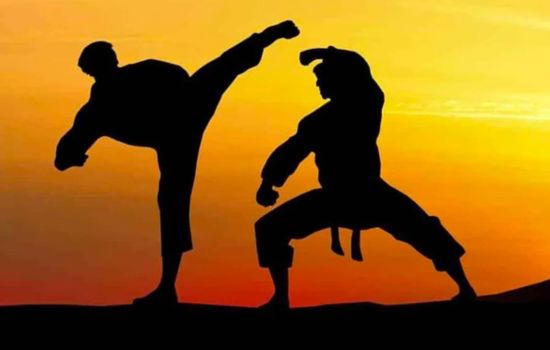
Karate focuses on powerful strikes using fists, elbows, knees, and feet. Apps dedicated to karate training typically emphasize kata (formal patterns), kumite (sparring techniques), and kihon (basic techniques). The discipline builds explosive power, improves reaction time, and develops mental focus. Digital karate programs often include breathing exercises, meditation components, and the philosophical foundations that distinguish this art from simple fighting.
Judo: The Gentle Way
Judo specializes in throws, grappling, and ground control. While the physical nature of judo makes certain aspects challenging to practice alone, apps can teach fundamental principles, movement patterns, balance exercises, and solo drills that prepare you for partner practice. Understanding proper falling techniques (ukemi) through detailed video instruction can actually prevent injuries when you eventually train with others.
Self-Defense: Practical Application
Self-defense apps focus on real-world scenarios rather than sport competition or traditional forms. These programs teach situational awareness, de-escalation tactics, vulnerable target points, and simple yet effective techniques that work under stress. Many incorporate elements from multiple martial arts, taking the most practical aspects of each system to create comprehensive personal protection training.
📱 Maximizing Your App-Based Training Experience
Simply downloading an application doesn’t guarantee results. Like any skill development process, success with martial arts apps requires deliberate practice, realistic expectations, and smart training habits.
Create a Dedicated Training Space
Designate a specific area in your home for practice. This doesn’t need to be elaborate—a clear space with enough room to move freely, perform kicks without hitting furniture, and execute basic combinations suffices. Having a consistent training location helps create mental associations that prepare your mind for focused practice.
Invest in Basic Equipment
While you can begin with zero equipment, a few affordable items significantly enhance training quality. A yoga mat provides cushioning for ground techniques and stretching. A heavy bag or standing punching bag allows you to practice strikes with realistic resistance. Resistance bands help with strength and flexibility development specific to martial arts movements.
Follow the Program Systematically
Resist the temptation to jump ahead to advanced techniques before mastering fundamentals. The flashy spinning kicks and complex combinations become possible only after developing proper stance, balance, hip rotation, and timing through seemingly simple basic drills. Trust the progression designed by experienced instructors.
Record Yourself Training
Use your phone to record your practice sessions from the same angles shown in instructional videos. Comparing your execution to the demonstrated technique reveals subtle errors you might not feel during movement. This self-assessment accelerates improvement and prevents developing bad habits.
🏆 Benefits Beyond Physical Skills
Martial arts training transforms practitioners in ways that extend far beyond the ability to execute techniques. These deeper benefits often prove more valuable than the physical skills themselves.
Mental Discipline and Focus
Learning complex movement patterns requires concentration that quiets mental chatter and builds mindfulness. This enhanced focus transfers to other life areas, improving work performance, academic achievement, and interpersonal relationships. The meditation aspects integrated into many traditional martial arts offer additional cognitive benefits supported by extensive research.
Confidence and Self-Esteem
Progressive skill development creates genuine self-confidence built on real capability rather than empty affirmations. Knowing you possess the ability to defend yourself changes how you carry yourself in the world. This quiet confidence often paradoxically reduces conflict situations, as predators typically target victims who project vulnerability.
Physical Fitness and Health
Martial arts training provides comprehensive fitness benefits including cardiovascular conditioning, muscular strength, flexibility, balance, and coordination. The variety inherent in martial arts practice prevents the monotony that causes many people to abandon traditional exercise routines. Your workout becomes engaging skill development rather than tedious repetition.
Stress Relief and Emotional Regulation
The physical exertion of martial arts training provides a healthy outlet for stress and negative emotions. Punching a heavy bag after a frustrating day offers cathartic release while building useful skills. The discipline required to control powerful techniques also develops emotional regulation that helps maintain composure during challenging situations.
⚡ Common Mistakes to Avoid When Learning Through Apps
Even with excellent applications and genuine commitment, certain pitfalls can undermine your progress. Awareness of these common errors helps you navigate around them.
Skipping Warm-Ups and Cool-Downs
The convenience of app-based training sometimes tempts users to jump directly into techniques without proper preparation. This significantly increases injury risk and reduces training effectiveness. Always complete recommended warm-up routines to prepare muscles, joints, and nervous system for intensive movement.
Training Through Pain
Distinguish between the normal discomfort of challenging exercise and pain signaling potential injury. Martial arts philosophy emphasizes pushing limits, but intelligent practitioners recognize when to rest and recover. Ignoring pain can transform minor issues into serious injuries requiring months of rehabilitation.
Neglecting Fundamental Techniques
Advanced practitioners regularly return to basic techniques because fundamentals form the foundation of all skills. Rushing past stance work, simple strikes, and basic movements to reach complex techniques creates a hollow skillset that crumbles under pressure. Embrace the beginner’s mind and find depth in simplicity.
Inconsistent Practice Schedules
Training intensively for a week then taking two weeks off produces minimal results. Consistent shorter sessions outperform sporadic marathon training. Even 15 minutes daily yields better outcomes than two-hour sessions once weekly. Build sustainable habits rather than relying on motivation that inevitably fluctuates.
🌟 Integrating App Training with Other Learning Methods
While martial arts applications offer remarkable standalone value, combining digital training with other learning approaches creates the most comprehensive development.
Attending occasional in-person classes or workshops provides valuable feedback from experienced instructors who can identify subtle technical errors invisible to you. These periodic sessions correct trajectory and ensure you’re developing proper form rather than reinforcing mistakes through repetition.
Reading books written by respected martial artists deepens your understanding of philosophy, history, and strategic principles that videos alone cannot fully convey. This theoretical knowledge enriches practical training and connects you to traditions extending back centuries.
Joining online communities of fellow practitioners creates accountability, provides motivation during difficult periods, and offers opportunities to exchange insights. Many apps include social features that facilitate these connections within the platform itself.
🔐 Safety Considerations for Home Training
Training independently requires extra attention to safety since no instructor is present to intervene if something goes wrong. Implement these precautions to minimize risk while maximizing benefits.
Clear your training area of furniture, decorations, and other objects that could cause injury during movement. Ceiling height matters for techniques involving raised arms or kicks. Flooring should provide adequate traction without being so grippy that sudden rotations stress joints.
Start slowly with new techniques, gradually building speed and power as movement patterns become ingrained. Most injuries occur when practitioners attempt to execute techniques at full intensity before developing the necessary control and body awareness.
Listen to your body’s signals and don’t train when sick, excessively fatigued, or dealing with injuries. Rest represents a crucial training component, allowing physical adaptation and mental integration of learned skills.
📈 Tracking Progress and Setting Goals
Measurable progress fuels motivation during the inevitable plateaus that occur in skill development. Effective martial arts apps include robust tracking features, but you can supplement these with personal journaling and goal-setting practices.
Set both short-term objectives (master a specific kick within two weeks) and long-term goals (achieve black belt equivalent skill within three years). This dual-level approach provides immediate targets that build toward distant aspirations.
Celebrate small victories along the journey. Executing a technique correctly for the first time, completing a challenging workout, or maintaining a training streak all deserve acknowledgment. These positive reinforcements strengthen the neural pathways associated with consistent practice.
Periodically reassess your goals based on progress and changing interests. The martial arts journey involves continuous evolution, and objectives that seemed important initially may shift as you deepen your practice and understanding.
🎓 The Future of Digital Martial Arts Training
Technology continues advancing rapidly, promising even more sophisticated training tools in coming years. Virtual reality systems already allow realistic sparring against AI opponents that adapt to your skill level. Augmented reality overlays could project form corrections directly onto your mirror image during practice.
Artificial intelligence analysis of your recorded techniques could provide instant feedback comparable to expert instruction. Wearable sensors might track strike power, speed, and accuracy, gamifying improvement and highlighting specific areas needing attention.
Despite these technological innovations, the fundamental principles remain unchanged. Dedication, consistent practice, respect for the art, and continuous learning define the martial artist regardless of training methods. Apps represent tools that amplify these timeless values, making ancient wisdom accessible to modern practitioners worldwide.
Whether you seek practical self-defense skills, competitive sport excellence, physical fitness, mental discipline, or connection to traditional philosophy, martial arts training applications offer legitimate pathways to these goals. The journey begins with a single step—or in this case, a simple download that opens doors to transformation limited only by your commitment and imagination.
