
Anúncios
Metal and gold detector apps are transforming how treasure hunters, hobbyists, and professionals search for valuable items hidden beneath the surface.

The concept of using your smartphone as a metal detector might sound futuristic, but it’s already a reality. By leveraging the built-in magnetometer sensor present in most modern devices, these applications can detect magnetic fields and alert users to the presence of metallic objects nearby. While they may not replace professional-grade equipment entirely, they offer surprising accuracy for casual searches and quick scans.
Anúncios
Whether you’re looking for lost jewelry in your backyard, checking walls for hidden wiring, or exploring beaches for buried coins, a metal detector app provides a convenient and cost-effective solution. The technology continues to improve, with developers integrating advanced algorithms and user-friendly interfaces that make treasure hunting accessible to everyone.
Anúncios
🔍 How Metal Detector Apps Actually Work
Understanding the science behind these apps helps you appreciate their capabilities and limitations. Every smartphone equipped with a compass feature contains a magnetometer, a sensor designed to detect the Earth’s magnetic field for navigation purposes. Metal detector apps hijack this functionality to measure disturbances in the magnetic field caused by ferrous metals.
When you bring your phone near a metallic object, the magnetometer registers changes in the magnetic field strength. The app processes this data in real-time, displaying measurements typically in microteslas (µT). The closer you get to metal, the higher the readings climb. This simple yet effective mechanism allows your device to function as a basic metal detector.
However, it’s important to note that smartphone magnetometers are primarily sensitive to ferromagnetic materials like iron, nickel, and steel. Non-ferrous metals such as gold, silver, copper, and aluminum generate weaker magnetic signatures and may not always be detected reliably. Despite this limitation, many apps incorporate additional features and calibration techniques to improve detection across various metal types.


⚙️ Understanding Magnetometer Sensitivity
The quality and sensitivity of magnetometers vary significantly between smartphone models. High-end devices generally feature more precise sensors that can detect subtle magnetic field variations, while budget phones may offer limited accuracy. Before relying on a metal detector app for serious purposes, it’s wise to test your device’s capabilities with known metallic objects.
Environmental factors also influence detection performance. Electronic devices, power lines, and even reinforced concrete structures can create magnetic interference that affects readings. For best results, calibrate your app in an open area away from obvious electromagnetic sources before beginning your search.
💎 Can You Really Find Gold with a Smartphone App?
The question everyone asks is whether these apps can genuinely detect gold. The honest answer involves understanding both the properties of gold and the limitations of smartphone sensors. Pure gold is not magnetic, meaning it doesn’t significantly interact with magnetic fields the way iron-based metals do.
However, most gold items aren’t pure. Jewelry, coins, and artifacts often contain alloys with magnetic metals like nickel or iron. These mixed compositions can produce detectable magnetic signatures, especially when the gold content is lower. Additionally, gold items buried underground may be accompanied by other metallic objects or containers that are more easily detected.
Some advanced metal detector apps claim to use artificial intelligence and pattern recognition to distinguish between different metal types. While these features may improve identification accuracy, they’re still constrained by the fundamental physics of smartphone magnetometers. Setting realistic expectations is crucial—these apps excel at finding ferrous metals and can occasionally detect gold alloys, but they’re not specialized gold prospecting tools.
🏆 Best Practices for Gold Detection
If you’re specifically hunting for gold using a smartphone app, maximize your chances by following these strategies. First, research locations known for gold deposits or historical sites where gold artifacts might exist. Second, move your phone slowly and methodically, as quick movements can cause false readings or missed signals.
Pay attention to consistent signals rather than random spikes. Metal detector apps often show fluctuating readings, but persistent elevated values in a specific spot warrant investigation. Additionally, adjust sensitivity settings if your app offers them—higher sensitivity may detect smaller or deeper objects but can also increase false positives.

📱 Key Features to Look for in Metal Detector Apps
Not all metal detector apps are created equal. The market offers dozens of options, ranging from simple magnetometer readers to sophisticated applications with multiple detection modes. Knowing which features matter helps you choose an app that fits your needs and maximizes your device’s potential.
The most essential feature is real-time measurement display with clear visual and audio feedback. Look for apps that show both numerical readings in microteslas and graphical representations of field strength. Audio signals that increase in frequency or volume as you approach metal provide hands-free detection feedback, allowing you to focus on scanning rather than watching your screen.
🎯 Advanced Detection Capabilities
Premium metal detector apps often include calibration tools that let you establish baseline readings for your environment. This feature filters out background magnetic interference, improving detection accuracy. Some apps also offer discrimination modes that attempt to identify metal types based on signal characteristics, though this remains an imperfect science on smartphone platforms.
Recording and mapping features add significant value for serious treasure hunters. Apps that can save detection locations with GPS coordinates let you mark promising spots for later excavation or create maps of scanned areas. Photo integration allows you to document findings and build a personal treasure hunting journal.
🔊 User Interface and Experience
A cluttered or confusing interface can ruin an otherwise capable app. The best metal detector applications balance functionality with simplicity, presenting essential information without overwhelming users. Intuitive controls, customizable alert thresholds, and dark mode options for outdoor visibility enhance the overall experience.
Battery consumption is another critical consideration. Metal detector apps continuously poll the magnetometer sensor, which can drain your battery quickly. Look for apps with power-saving modes or battery usage optimization. Some even include warnings when battery levels drop below safe thresholds for extended outdoor sessions.
🌍 Practical Applications Beyond Treasure Hunting
While finding buried treasure captures the imagination, metal detector apps serve numerous practical purposes in everyday life. Homeowners and contractors use them to locate studs, pipes, and electrical wiring hidden behind walls before drilling. This simple safety measure prevents costly damage and potential injury from striking live electrical lines.
Electricians and technicians appreciate the portability of smartphone detection tools for quick checks during service calls. Rather than carrying dedicated equipment for preliminary scans, they can use an app to identify metal conduits, junction boxes, or rebar in concrete before commencing detailed work.
🏖️ Beach and Park Metal Detecting
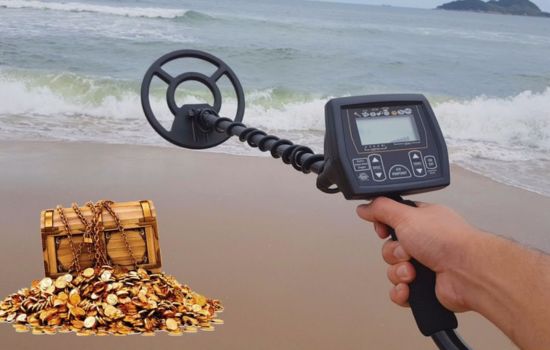
Recreational metal detecting at beaches and parks remains a popular hobby worldwide. Metal detector apps lower the entry barrier for curious beginners who want to try the activity without investing in expensive specialized equipment. Many successful treasure hunters started with smartphone apps before upgrading to professional detectors.
Public beaches often yield interesting finds—lost jewelry, coins, and historical artifacts wash up regularly. Parks near old homesteads or historical sites can hide relics from previous generations. Always research local regulations regarding metal detecting and obtain necessary permissions before searching public or private properties.
🔧 Home Improvement and Safety
DIY enthusiasts find metal detector apps invaluable for home projects. Before hanging heavy items, check for hidden metal brackets or support structures. When installing shelving or cutting into walls for renovations, scan thoroughly to avoid surprises. The peace of mind knowing what’s behind the surface is worth the few minutes spent scanning.
Some users employ metal detector apps for security purposes, checking packages or luggage for hidden metallic components. While not as thorough as professional security equipment, these apps can provide a basic screening layer for personal safety concerns.
🆚 Smartphone Apps vs. Dedicated Metal Detectors
Understanding the differences between smartphone apps and professional metal detectors helps set appropriate expectations. Dedicated units feature specialized coils designed to generate and detect electromagnetic fields at various frequencies. They offer superior depth penetration, discrimination capabilities, and sensitivity compared to smartphone magnetometers.
Professional detectors can locate objects buried several feet deep, while smartphone apps typically detect metal only within a few inches to a foot, depending on object size and composition. Dedicated equipment also provides more accurate metal type identification through advanced signal processing that smartphone hardware cannot replicate.
💰 Cost-Benefit Considerations
The primary advantage of metal detector apps is cost—most are free or cost just a few dollars, while entry-level dedicated detectors start around one hundred dollars and professional models can exceed several thousand. For casual users or those testing interest in the hobby, apps represent zero financial risk.
Portability also favors smartphone apps. You already carry your phone everywhere, so you always have a metal detector available for spontaneous searches or practical needs. Dedicated detectors require deliberate planning and transportation, making them less convenient for impromptu scanning.
| Feature | Smartphone App | Dedicated Detector |
|---|---|---|
| Cost | Free – $10 | $100 – $3,000+ |
| Detection Depth | 1-6 inches | 6-24+ inches |
| Metal Discrimination | Limited | Excellent |
| Portability | Extremely High | Moderate |
| Learning Curve | Minimal | Moderate to High |
🛠️ Tips for Maximizing Detection Success
Getting the most from your metal detector app requires technique and patience. Start by calibrating the app properly—this usually involves moving the phone in a figure-eight pattern away from metal objects to establish baseline readings. Proper calibration dramatically reduces false signals and improves genuine detection accuracy.
When scanning, maintain consistent phone positioning and movement speed. Hold your device parallel to the ground at a steady height, typically 2-4 inches above the surface. Move slowly in overlapping passes to ensure complete coverage without gaps. Rapid movements can cause the magnetometer to register erratic readings that confuse the app’s algorithms.
📍 Environmental Awareness
Be mindful of your surroundings and potential interference sources. Remove jewelry, watches, and belt buckles that might trigger false readings. Stay away from vehicles, metal fences, and electrical equipment during serious searches. Natural iron deposits in soil can also cause elevated background readings in certain geological areas.
Weather conditions affect detection performance as well. Wet soil conducts electromagnetic signals differently than dry ground, potentially improving detection depth. However, protect your phone from moisture exposure—use waterproof cases if detecting near water or in rainy conditions.
🎓 Learning Through Experience
Practice with known objects to develop skill in interpreting your app’s signals. Bury small metal items at various depths in your yard and practice locating them. This training builds confidence in distinguishing genuine signals from interference and teaches you how different metals and depths affect readings.
Join online communities dedicated to metal detecting. Many forums and social media groups welcome both professionals and hobbyists who use apps. Sharing experiences, tips, and discoveries enhances your knowledge and connects you with others who share your interest.
🌟 Future Developments in Mobile Detection Technology
The field of smartphone-based metal detection continues evolving as hardware and software advance. Next-generation devices may include more sensitive magnetometers specifically designed for enhanced metal detection capabilities. Some manufacturers are already exploring multi-sensor fusion that combines magnetometer data with other inputs for improved accuracy.
Artificial intelligence and machine learning represent the frontier of detection app development. By analyzing thousands of signal patterns, AI algorithms can potentially distinguish metal types more reliably and filter out environmental noise more effectively. Cloud-based processing might also enable apps to leverage more computational power than smartphone processors alone can provide.
🔮 Augmented Reality Integration
Imagine pointing your phone at the ground and seeing augmented reality indicators showing exactly where metal objects lie buried. Developers are experimenting with AR interfaces that overlay detection information onto live camera feeds, creating immersive treasure hunting experiences. This technology could revolutionize how we visualize and interact with detection data.
GPS and mapping integration will likely become more sophisticated, allowing users to create detailed 3D models of scanned areas with embedded detection data. Collaborative platforms might emerge where users share detection maps, creating community knowledge bases of promising search locations while respecting privacy and legal considerations.
⚖️ Legal and Ethical Considerations
Before embarking on metal detecting adventures, familiarize yourself with relevant laws and regulations. Many jurisdictions restrict metal detecting in archaeological sites, national parks, and protected areas. Historical artifacts may belong to the state or landowner rather than the finder, regardless of where they’re discovered.
Always obtain permission before detecting on private property. Trespassing charges can result from unauthorized searching, even if you don’t find anything. Public beaches and parks often have specific rules about digging and metal detecting—check with local authorities to ensure compliance.
🤝 Responsible Detecting Practices
Ethical treasure hunters follow a code of conduct that preserves sites and respects others. Fill all holes completely after investigating signals, leaving no trace of your presence. Remove trash and debris you encounter, leaving locations cleaner than you found them. Report significant historical finds to appropriate authorities rather than selling or keeping them secretly.
Respect other detectorists by maintaining reasonable distances and not crowding popular spots. Share knowledge generously with beginners, fostering a positive community atmosphere. Remember that metal detecting is as much about enjoying nature and history as finding valuable items.
🎯 Making the Most of Your Metal Detecting Journey
Success in metal detecting—whether with apps or dedicated equipment—requires patience, persistence, and realistic expectations. Not every outing will yield treasures, but each search offers opportunities to explore new places, learn local history, and enjoy outdoor activity. Celebrate small discoveries like interesting coins or unique artifacts alongside potentially valuable finds.
Document your adventures through photos and journals. Recording what you find, where, and under what conditions builds valuable personal reference data. Over time, patterns emerge showing which locations, weather conditions, and techniques produce the best results for your specific area and equipment.
Consider metal detecting as a gateway to related hobbies like numismatics, archaeology, or local history research. The items you discover connect you to past generations and communities, creating tangible links to history. This broader perspective transforms treasure hunting from simple acquisition into meaningful exploration and learning.
🚀 Getting Started with Your First Detection App
Ready to begin your metal detecting adventure? Download a reputable app from your device’s app store and test it with everyday metal objects around your home. Try detecting keys, coins, and tools to understand how your phone responds to different metals and distances. This familiarization builds confidence before venturing into the field.
Start with low-pressure environments like your backyard or a local park. Set modest goals for initial outings—simply learning to use the app effectively and understanding its capabilities constitutes success. As you gain experience and confidence, gradually expand to more challenging locations and longer search sessions.
Metal and gold detector apps democratize treasure hunting, making this exciting hobby accessible to anyone with a smartphone. While they may not match professional equipment in power and precision, they offer remarkable capabilities for the zero-entry cost and ultimate portability. Whether you’re searching for lost valuables, ensuring safe home improvements, or simply exploring the fascinating world beneath our feet, these innovative applications transform your phone into a capable detection tool ready for adventure.
