
Anúncios
# HTML Article: Metal Detector Apps – The Convenience of Having a Detector Always in the Palm of Your Hand

Imagine discovering hidden treasures or lost valuables using nothing more than the smartphone already in your pocket.
Anúncios


Metal detector apps have revolutionized the way hobbyists, DIY enthusiasts, and curious minds explore their surroundings. What once required specialized, expensive equipment can now be accessed instantly through mobile technology. These innovative applications leverage your phone’s built-in magnetometer to detect metallic objects nearby, transforming an everyday device into a versatile detection tool.
Whether you’re searching for lost keys in your backyard, checking walls before drilling, or embarking on a treasure-hunting adventure, metal detector apps provide accessibility and convenience previously unimaginable. Let’s explore how this technology works, its practical applications, and why having a detector in your pocket might be more valuable than you think. 📱
Anúncios
🔍 How Metal Detector Apps Actually Work
Modern smartphones contain a magnetometer sensor originally designed for compass functionality and navigation purposes. Metal detector apps cleverly repurpose this sensor to measure magnetic field fluctuations in your immediate environment.
When you bring your phone near metallic objects—especially ferromagnetic materials like iron, steel, or nickel—the magnetic field intensity changes. The app detects these variations and translates them into visual or audio feedback, alerting you to the presence of metal.
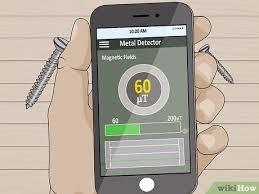
The technology isn’t perfect, but it’s surprisingly effective for everyday use. Most apps display readings in microteslas (µT), the standard unit for magnetic field strength. Baseline readings typically range from 25 to 65 µT depending on your location, with significant spikes indicating nearby metal objects.
Understanding these limitations helps set realistic expectations. While your phone won’t replace professional metal detectors for serious treasure hunting, it performs remarkably well for casual detection tasks and practical household applications.
The Science Behind Magnetic Detection
The magnetometer inside your smartphone operates using Hall effect sensors or magneto-resistive technology. These components detect changes in Earth’s magnetic field with impressive sensitivity, measuring variations as small as a few microteslas.
When metallic objects enter this field, they create distortions that the sensor picks up. Ferromagnetic materials produce the strongest responses because they can be magnetized and significantly alter local magnetic fields. Non-ferrous metals like aluminum, copper, or gold produce weaker signals that may not register on basic phone sensors.
This limitation explains why metal detector apps work best for finding common household metals rather than precious metals. However, for everyday practical purposes, this functionality proves more than adequate for most users’ needs.
💡 Practical Everyday Applications
The beauty of metal detector apps lies in their unexpected utility across various everyday situations. These aren’t just novelty tools—they solve real problems with remarkable efficiency.
Home Improvement and Safety
Before drilling into walls, smart homeowners use metal detector apps to locate hidden pipes, electrical wiring, or metal studs. This simple precaution prevents costly mistakes, water damage, or dangerous electrical accidents.
Renovators appreciate the ability to map out structural elements behind drywall without investing in expensive stud finders. While dedicated tools offer more precision, a quick phone scan provides sufficient guidance for many projects.
The convenience factor cannot be overstated. Instead of searching for specialized equipment, you simply pull out your phone, launch the app, and start scanning within seconds.
Finding Lost Metal Objects
Lost jewelry, dropped keys, misplaced tools—metal detector apps excel at locating small metallic items in challenging environments. Whether buried in sand, hidden in grass, or fallen between couch cushions, these apps help narrow your search area significantly.
Beach visitors particularly appreciate this functionality when earrings or rings slip off in the sand. Parents find dropped coins or small toys that would otherwise remain lost indefinitely. The apps won’t pinpoint exact locations like professional detectors, but they provide directional guidance that proves invaluable during searches.

Security and Verification
Some security-conscious individuals use metal detector apps to check packages, verify the metallic content of objects, or ensure that magnetic strips on credit cards remain functional. While not replacing professional security equipment, these apps offer quick verification in non-critical situations.
Collectors and antique enthusiasts sometimes employ metal detector apps as preliminary assessment tools, checking whether items contain metal components before making purchase decisions or determining authenticity.
🎯 Choosing the Right Metal Detector App
Not all metal detector apps deliver equal performance. The app market includes both genuinely functional tools and gimmicky applications that provide minimal value. Selecting the right one requires understanding key features and quality indicators.
Essential Features to Look For
The best metal detector apps display real-time measurements in microteslas, providing numerical feedback alongside visual indicators. This data-driven approach offers more precision than apps relying solely on graphics or sounds.
Audio feedback enhances usability significantly, especially when you can’t constantly watch your screen. Increasing beep frequencies or changing tones as you approach metal objects allows hands-free operation during searches.
Calibration options prove essential for accurate readings. Quality apps allow you to establish baseline measurements for your environment, improving detection accuracy and reducing false positives from ambient magnetic interference.
Clean, intuitive interfaces separate professional-grade apps from amateur offerings. The best applications present information clearly without overwhelming users with unnecessary features or intrusive advertisements.
Understanding App Limitations
Transparency about limitations indicates developer credibility. Reputable metal detector apps clearly communicate that phone sensors cannot match dedicated hardware in sensitivity, depth detection, or metal discrimination capabilities.
Phone orientation affects accuracy significantly. Most apps work best when held flat or perpendicular to the ground, with the sensor positioned closest to the target area. Understanding these positioning requirements improves detection success rates.
Environmental factors influence performance. Electronic devices, speakers, magnets, and metal furniture create background interference that may produce false readings. Learning to distinguish genuine signals from environmental noise requires practice and patience.
🌟 The Accessibility Revolution
Metal detector apps democratize technology that previously required financial investment and specialized knowledge. This accessibility opens doors for people who might never have explored metal detection otherwise.
Zero Barrier to Entry
Traditional metal detectors range from affordable entry-level models around $50 to professional equipment costing thousands of dollars. Metal detector apps, often free or available for minimal cost, eliminate financial barriers entirely.
This zero-investment approach allows curious individuals to explore metal detection without commitment. Users can experiment, learn basic principles, and determine whether the hobby interests them before considering equipment purchases.
Educational institutions benefit particularly from this accessibility. Science teachers can demonstrate magnetic principles and sensor technology using students’ own devices, creating hands-on learning experiences without budgetary constraints.
Instant Availability
The convenience of instant availability transforms spontaneous situations into opportunities. When you notice something potentially metallic while walking, visiting friends, or traveling, your detector app is already in your pocket ready for immediate use.
This instant accessibility proves especially valuable during unexpected situations—discovering an interesting location during a hike, noticing unusual objects while exploring new places, or addressing sudden home repair needs without waiting for equipment delivery.
🔧 Maximizing Detection Effectiveness
Understanding proper techniques significantly improves metal detector app performance. While these applications work automatically, user skill dramatically influences success rates and accuracy.
Optimal Usage Techniques
Slow, deliberate movements yield better results than quick scanning. Move your phone steadily across the search area, maintaining consistent distance from the surface. Rapid movements may cause the app to miss signals or produce unstable readings.
Removing phone cases improves sensor proximity to target objects. Cases add distance between the magnetometer and metallic items, potentially reducing sensitivity. For important searches, temporarily removing protective cases enhances detection capabilities.
Systematic grid patterns ensure thorough coverage of search areas. Rather than randomly scanning, divide the space into sections and methodically check each area. This organized approach prevents missing spots and provides confidence in search completeness.
Interpreting Readings Accurately
Learning to distinguish meaningful signals from background noise requires experience. Begin by testing your app on known metal objects to understand how different materials and sizes affect readings. This calibration process builds intuitive understanding of signal strength and patterns.
Document baseline readings for different environments—your home, yard, workplace, and frequently visited locations. These references help identify anomalies that indicate metal presence versus normal environmental variations.
Pay attention to reading consistency. Genuine metallic objects produce repeatable signals when you pass over them multiple times from different angles. Random spikes that don’t replicate likely indicate interference rather than actual detections.
🌍 Environmental Considerations and Responsible Use
Metal detection, even casual phone-based exploration, carries environmental and ethical responsibilities. Responsible detector users respect property rights, preserve natural spaces, and follow applicable regulations.
Permission and Legal Compliance
Always obtain permission before searching private property. Even casual detection constitutes trespassing without landowner consent. Public spaces often have specific rules regarding metal detection—parks, beaches, and historical sites frequently restrict or prohibit such activities.
Research local regulations before exploring new areas. Some jurisdictions require permits for metal detection, while others prohibit removing found objects from certain locations. Archaeological sites typically forbid any form of metal detection to preserve historical integrity.
Leave No Trace Principles
If your search involves digging, fill any holes completely and restore the area to its original condition. Leaving disturbed ground creates hazards for people and wildlife while damaging ecosystems and vegetation.
Dispose of any trash you discover during searches. Metal detector enthusiasts often collect discarded metal debris like pull tabs, bottle caps, and other litter, improving environments while exploring.
📚 Educational Value and STEM Learning
Metal detector apps provide unexpected educational opportunities, particularly for introducing scientific concepts to young learners in engaging, hands-on formats.
Teaching Magnetism and Sensor Technology
These apps make abstract magnetic field concepts tangible and observable. Students can visualize how metallic objects affect magnetic fields, understanding principles that textbooks struggle to convey through words alone.
Exploring how smartphones contain sophisticated sensors for various purposes opens discussions about technology integration, miniaturization, and multi-purpose engineering design.
Developing Critical Thinking Skills
Using metal detector apps teaches valuable critical thinking and problem-solving skills. Users learn to interpret data, distinguish signal from noise, develop systematic search strategies, and troubleshoot when results don’t meet expectations.
These cognitive skills extend far beyond metal detection, providing transferable abilities applicable to academic pursuits, professional challenges, and everyday decision-making situations.
🎒 The Future of Mobile Detection Technology
As smartphone sensors continue improving in sensitivity and variety, metal detector app capabilities will expand correspondingly. Future developments promise enhanced functionality that narrows the gap between phone apps and dedicated equipment.
Emerging Sensor Technologies
Next-generation smartphones may incorporate more sophisticated magnetic sensors with greater sensitivity and discrimination capabilities. Advanced processing algorithms could better distinguish between different metal types, approaching professional detector functionality.
Integration with other smartphone sensors—cameras, LIDAR, GPS, and accelerometers—could create augmented reality detection experiences. Imagine visual overlays showing detected metal locations with depth estimates and material predictions displayed directly on your screen.
Community and Crowdsourcing
Future metal detector apps might incorporate social features, allowing users to share interesting finds, mark productive locations, and build community knowledge bases. Crowdsourced data could identify patterns, document historical finds, and connect enthusiasts worldwide.
Machine learning algorithms trained on millions of user detections could improve accuracy, reduce false positives, and provide intelligent guidance for different search scenarios and environments.
💎 When to Upgrade to Dedicated Equipment
While metal detector apps offer remarkable convenience and accessibility, certain situations genuinely require professional equipment. Understanding these boundaries helps users make informed decisions about equipment investments.
Limitations Requiring Professional Tools
Serious treasure hunting demands depth detection beyond smartphone sensor capabilities. Professional detectors identify objects buried several feet underground, while phone sensors typically detect only surface-level or very shallowly buried items.
Metal discrimination—differentiating between various metal types—remains largely beyond smartphone capabilities. Dedicated detectors can distinguish between ferrous and non-ferrous metals, even identifying specific materials like gold, silver, or copper with reasonable accuracy.
Beach hunting in wet sand or shallow water requires waterproof equipment with specialized coils designed for saltwater environments. Smartphones obviously cannot operate effectively in these conditions without compromising device safety.
Complementary Use
Many serious hobbyists use both professional detectors and phone apps complementarily. Apps provide quick scans for preliminary assessments, while dedicated equipment handles serious searching. This combination maximizes efficiency and convenience across different situations.
🚀 Getting Started Today
Beginning your metal detection journey requires nothing more than downloading an app and learning basic techniques. This minimal barrier to entry invites experimentation without risk or commitment.
Start by testing your chosen app around your home, detecting common metal objects to understand signal patterns and interface functionality. Progress to your yard or local park, practicing systematic search techniques in varied environments.
Join online communities dedicated to metal detection to learn from experienced enthusiasts, discover tips for improving technique, and share your own discoveries and experiences with like-minded individuals.
The combination of accessibility, practicality, and entertainment value makes metal detector apps genuinely worthwhile additions to your smartphone toolkit. Whether you need to locate a lost ring, check walls before drilling, or simply explore your surroundings with new perspective, having a detector always in your palm opens unexpected possibilities. The technology democratizes an entire hobby category, bringing sophisticated detection capabilities to anyone with a smartphone and curiosity. 🔍✨
