
Anúncios
Training your pet at home can feel overwhelming, but with the right approach and consistency, you’ll see amazing results in no time.



Many pet owners struggle with basic obedience and behavior issues, often thinking they need expensive trainers or special equipment. The truth is, most training techniques can be implemented right in your living room with patience and dedication.
Anúncios
Whether you have a playful puppy or an older dog with ingrained habits, home training creates a stronger bond between you and your furry companion while establishing clear communication and mutual respect. Let’s explore the most effective methods that actually work.
🐕 Understanding Your Pet’s Learning Style
Before diving into specific commands, it’s crucial to recognize that every pet learns differently. Some dogs respond immediately to treats, while others are motivated by praise or play. Observing your pet’s preferences will dramatically improve your training success rate.
Anúncios
Dogs are incredibly perceptive creatures who read body language, tone of voice, and energy levels. Your consistency in these areas matters far more than the exact words you use. When you’re frustrated or impatient, your pet senses this immediately, making training sessions less effective.
Start by spending a few days simply watching how your pet reacts to different stimuli. Does their tail wag more for food or toys? Do they respond better in the morning or evening? This foundational understanding will shape your entire training approach.
🎯 Creating the Perfect Training Environment
Your home environment plays a massive role in training success. Begin in a quiet, distraction-free zone where your pet can focus entirely on you. As they master commands, gradually introduce distractions to build reliability in various situations.
Remove temptations that might derail focus during initial sessions. Put away favorite toys, close windows to reduce outside noise, and ensure other family members understand not to interrupt. These small adjustments create an optimal learning atmosphere.
Lighting and temperature also affect your pet’s concentration. Choose a comfortable space where neither you nor your pet feel rushed or uncomfortable. Training should feel like quality time together, not a chore.
✨ The Foundation: Basic Commands That Change Everything
Mastering a handful of essential commands transforms daily life with your pet. “Sit,” “stay,” “come,” “down,” and “leave it” form the backbone of good behavior and keep your pet safe in countless situations.
Teaching “Sit” Effectively
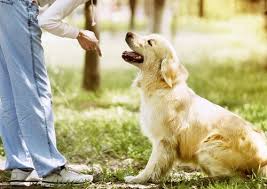
Hold a treat close to your dog’s nose, then slowly move your hand upward. As their head follows the treat, their bottom naturally lowers. The moment it touches the ground, say “sit,” give the treat, and offer enthusiastic praise.
Practice this 5-10 times per session, keeping sessions under 10 minutes to maintain enthusiasm. Most dogs grasp this command within a few days of consistent practice.
Mastering “Stay” for Safety
Once your pet sits reliably, hold your palm out and say “stay.” Take one step back. If they remain sitting, immediately return, reward, and praise. Gradually increase distance and duration over subsequent sessions.
This command prevents dangerous situations like running into streets or jumping on guests. The investment in teaching “stay” pays dividends throughout your pet’s life.
Perfecting the Recall Command
Attach a long leash and let your pet explore. Call their name followed by “come” in an exciting, high-pitched voice. When they turn toward you, reward immediately. Never call your pet to you for something unpleasant, or they’ll associate the command negatively.

🏆 Positive Reinforcement: The Science Behind Success
Modern animal behavior science overwhelmingly supports positive reinforcement over punishment-based methods. When you reward desired behaviors, your pet actively seeks to repeat them, creating a positive learning cycle.
Rewards don’t always mean food. Variety keeps training interesting and prevents your pet from becoming treat-dependent. Alternate between small food rewards, favorite toys, verbal praise, petting, and play sessions.
Timing is everything in positive reinforcement. Reward within two seconds of the desired behavior, or your pet won’t connect the action with the reward. This precision creates clear communication about exactly which behaviors earn rewards.
⏰ Consistency Creates Lasting Results
The biggest training mistake pet owners make is inconsistency. If jumping on the couch is sometimes allowed and sometimes forbidden, your pet becomes confused and anxious, unable to predict consequences.
Every family member must enforce the same rules using identical commands and gestures. Hold a family meeting to establish which behaviors are acceptable and which aren’t. Write down the exact words and hand signals everyone should use.
Training happens 24/7, not just during formal sessions. Every interaction with your pet either reinforces good behavior or accidentally encourages bad habits. Mindful consistency accelerates progress dramatically.
🚫 Addressing Common Behavioral Challenges
Beyond basic obedience, most pet owners face specific behavioral issues that disrupt household harmony. Understanding the root causes helps you address problems effectively rather than just managing symptoms.
Stopping Excessive Barking
Identify why your pet barks. Boredom, alerting you to visitors, seeking attention, and anxiety all require different solutions. Never yell at a barking dog, as they interpret this as you joining in the barking.
Teach a “quiet” command by waiting for a natural pause in barking, immediately saying “quiet,” and rewarding silence. Gradually increase the duration of silence required before rewards.
Eliminating Jumping on People
Dogs jump because it gets attention, even negative attention. Ignore jumping completely—turn away, cross your arms, and avoid eye contact. The instant all four paws touch the ground, reward with attention and treats.
Consistency is crucial here. If even one person rewards jumping with attention, the behavior persists. Inform visitors about your training protocol before they enter your home.
Managing Leash Pulling
Walks become stressful when your pet drags you down the street. Stop moving entirely when the leash tightens. Only resume walking when slack returns to the leash. This teaches that pulling prevents progress, while a loose leash enables forward movement.
Reward walking beside you frequently during the early stages. This seemingly simple technique requires patience but transforms walks from battles into bonding experiences.
🧠 Mental Stimulation Enhances Training
A mentally tired pet learns better and exhibits fewer behavioral problems. Incorporate puzzle toys, scent games, and training challenges that engage your pet’s problem-solving abilities.
Hide treats around your home and encourage your pet to find them. This taps into natural foraging instincts while providing mental exercise. Even 10 minutes of scent work can tire a dog more than a 30-minute walk.
Rotate toys to maintain novelty. What seems boring today becomes exciting again after a week in storage. This simple strategy keeps your pet engaged without constantly buying new items.
📅 Structuring Effective Training Sessions
Short, frequent sessions outperform long, occasional ones. Aim for 5-10 minutes, two to three times daily. End each session on a successful note, even if that means finishing with an easy command your pet has already mastered.
Track progress in a simple journal. Note which commands your pet struggles with and which they excel at. Patterns emerge that guide your training focus and help you celebrate milestones.
Vary your training locations once basics are solid. Practice commands in the backyard, during walks, and in pet-friendly stores. This generalization ensures your pet responds regardless of environment.
💡 Using Technology to Support Training
Modern training apps provide structured programs, video demonstrations, and progress tracking. These tools offer professional guidance at a fraction of traditional trainer costs, making expert techniques accessible to everyone.
Training apps often include clicker training tutorials, behavioral troubleshooting, and community support from other pet owners. This combination of resources addresses nearly any challenge you’ll encounter during home training.
Video recording your training sessions reveals body language cues you might miss in the moment. Reviewing footage helps identify inconsistencies in your technique and timing that could be slowing progress.
🎓 Advanced Training for Engaged Pets
Once your pet masters basics, advanced tricks provide ongoing mental stimulation and strengthen your bond. Teaching commands like “roll over,” “play dead,” or “fetch specific items” keeps training fresh and exciting.
Break complex behaviors into small steps. For “roll over,” first reward lying down, then reward rolling to one side, then completing the full roll. This process, called shaping, works for virtually any behavior you want to teach.
Advanced training isn’t just about impressive tricks. Teaching your pet to retrieve specific items by name, turn lights on and off, or close doors adds practical value while providing substantial mental exercise.
👨👩👧👦 Involving the Whole Family
Training becomes more effective and fun when everyone participates. Assign each family member specific commands to teach or practice. This distributes the workload while ensuring your pet responds to different voices and personalities.
Children can participate in age-appropriate ways. Younger kids can help with treat rewards under supervision, while older children can lead short training sessions. This teaches responsibility while deepening the child-pet relationship.
Regular family meetings to discuss training progress keep everyone aligned and motivated. Celebrate successes together and problem-solve challenges as a team.
🌟 Maintaining Long-Term Success
Training doesn’t end once your pet learns basic commands. Ongoing practice prevents skill deterioration and keeps your pet mentally sharp throughout their life. Incorporate quick command refreshers into daily routines.
Before meals, ask for a “sit” or “down.” Before opening doors, request a “wait.” These micro-training moments reinforce obedience without requiring dedicated session time.
As your pet ages, adjust training to accommodate physical limitations. Senior pets benefit from mental stimulation even when physical activity decreases. Gentle training sessions provide purpose and engagement regardless of age.
🔑 The Real Secret to Training Success
The most effective training ingredient isn’t treats, tools, or techniques—it’s your relationship with your pet. Time spent playing, cuddling, and simply being together builds trust that makes training exponentially easier.
Pets trained through positive, relationship-based methods exhibit better long-term behavioral outcomes than those trained through dominance or punishment. The patience and kindness you demonstrate during training shapes your pet’s entire personality.
Remember that setbacks are normal. Some days your pet will seem to forget everything they’ve learned. Stay patient, return to basics, and maintain your positive attitude. Consistency and compassion always win in the end.
🎉 Celebrating Your Training Journey
Every small victory deserves recognition. The first successful “sit,” the first walk without pulling, the first time your pet comes when called—these moments represent dedication and partnership.
Document your journey with photos and videos. You’ll treasure these memories while creating content to share with other pet owners who need encouragement on their own training paths.
Training your pet at home isn’t just about obedience—it’s about building a lifelong relationship based on mutual understanding, respect, and love. The skills you develop together create a harmonious household where both you and your pet thrive. With patience, consistency, and the right approach, you’re not just training a pet; you’re nurturing a devoted companion who enriches every aspect of your life.
