Anúncios
Ever wondered who’s been quietly checking out your social media profiles? You’re not alone—and there are ways to uncover the mystery.

Social media has become an extension of our daily lives, a digital stage where we share moments, thoughts, and connections. But behind every post and story lies an invisible audience—people who view, analyze, and sometimes obsess over your content without leaving a trace.
Anúncios
Understanding who’s keeping tabs on your online presence isn’t just about satisfying curiosity. It’s about reclaiming control over your digital footprint, protecting your privacy, and making informed decisions about what you share and with whom.
🔍 Why People Spy on Social Media Profiles
Before diving into detection methods, it’s worth understanding the psychology behind profile stalking. The reasons vary widely, from innocent curiosity to more concerning motivations.
Anúncios
Former partners often check profiles to see how you’re moving on. Potential employers research candidates before interviews. Friends compare lifestyles, sometimes fueling envy or admiration. Even strangers might stumble upon your content and become regular, silent visitors.
The anonymity of social platforms encourages this behavior. Most networks don’t notify users when someone views their profile, creating a one-way mirror effect that makes surveillance feel risk-free.
📱 Instagram: The Most Stalked Platform
Instagram leads the pack when it comes to profile surveillance. Its visual nature and story features create multiple touchpoints for observers to engage without direct interaction.
While Instagram doesn’t reveal profile visitors, certain patterns can hint at frequent viewers. Stories provide the most transparency—the platform shows exactly who watched each one, listed in order of interaction frequency rather than chronologically.
Understanding Instagram’s Story Viewer Algorithm
The order of story viewers isn’t random. Instagram uses an algorithm that prioritizes accounts you interact with most, but also those who interact with your content frequently.
If someone consistently appears at the top of your viewer list despite minimal direct interaction, they’re likely viewing your profile and content regularly. This algorithmic quirk inadvertently reveals your most dedicated followers—and potential stalkers.
Third-Party Apps: Proceed with Caution ⚠️
Numerous apps claim to reveal who viewed your Instagram profile. While some provide insights into follower behavior, many are scams that compromise your account security.
Legitimate analytics apps focus on engagement metrics—who unfollowed you, who doesn’t follow back, and engagement patterns. They can’t definitively show profile visitors, but they highlight unusual follower behavior that might indicate surveillance.

🔐 Facebook’s Limited Transparency
Facebook takes a different approach to privacy. The platform doesn’t offer profile view tracking for personal accounts, though business pages get detailed analytics about post reach and engagement.
For personal profiles, your best indicators are friend requests from strangers, frequent likes from specific accounts, and people who repeatedly view your public posts or photos.
The “People You May Know” Algorithm
Ever noticed someone appearing in your “People You May Know” suggestions shortly after they viewed your profile? This isn’t coincidence.
Facebook’s algorithm considers profile views when generating friend suggestions. If someone searches for you, views your profile, or looks through your photos, they’re more likely to appear in your suggestions—and you in theirs.
🐦 Twitter’s Open Nature
Twitter (now X) embraces transparency differently. Public tweets are accessible to anyone, making surveillance easier but also more obvious through engagement metrics.
While you can’t see who viewed your profile, Twitter Analytics shows impression counts for tweets, telling you how many times your content was viewed. Unusually high impressions with low engagement might indicate silent surveillance.
The platform’s notification system also reveals when someone likes, retweets, or replies to old tweets—a telltale sign they’re scrolling through your entire timeline.
💼 LinkedIn: Professional Surveillance
LinkedIn stands apart by offering profile view information directly—at least partially. The platform shows who viewed your profile within a certain timeframe, though free accounts have limitations.
Premium vs. Free Account Visibility
Free LinkedIn accounts see limited viewer information. You might see “Someone in Marketing viewed your profile” without specific identity details.
Premium accounts unlock full visibility, revealing exactly who checked your profile, when, and how they found you. For professionals concerned about who’s researching them, this feature alone might justify the subscription cost.
Private Browsing Mode
LinkedIn allows users to browse profiles anonymously. When someone uses this feature, they appear as “LinkedIn Member” in your viewer list, concealing their identity completely.
This creates an arms race of privacy—you can browse anonymously, but so can others, making surveillance detection impossible without premium features.
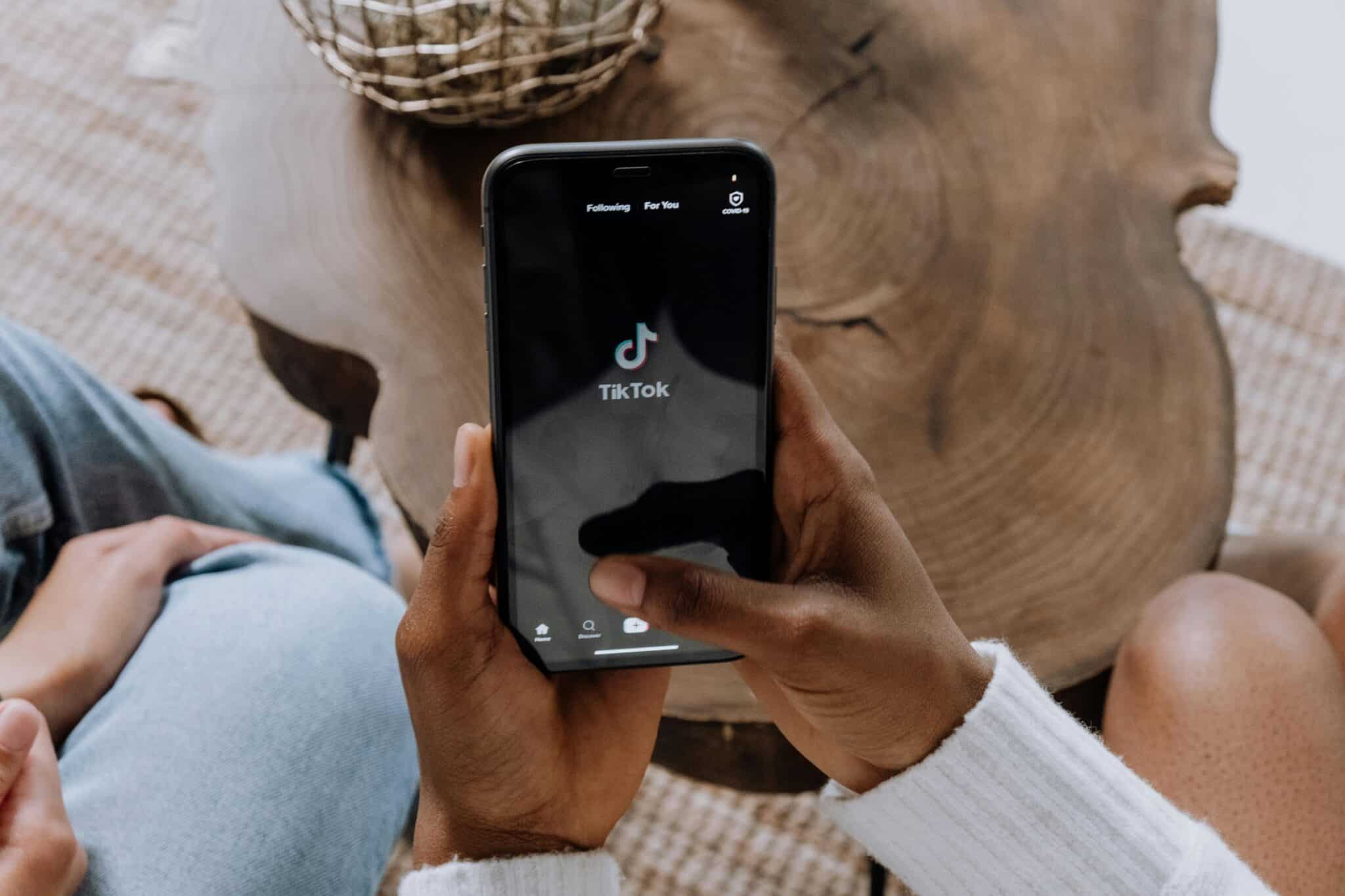
🎵 TikTok’s Engagement Patterns
TikTok doesn’t reveal profile visitors, but its algorithm-driven “For You” page creates interesting surveillance dynamics.
If someone watches your videos repeatedly, TikTok serves them more of your content. You might notice the same usernames appearing in your video views or follower list despite never interacting directly.
The platform’s emphasis on content over profiles makes traditional stalking less relevant—people consume your videos through algorithmic feeds rather than visiting your profile page.
🛡️ Protecting Your Privacy Across Platforms
Understanding who watches you is only half the battle. The real power lies in controlling what they can see and how much access they have to your digital life.
Audit Your Privacy Settings Regularly
Social platforms constantly update features and privacy options. Settings you configured years ago might not reflect current best practices or your evolving privacy needs.
- Review who can see your posts, stories, and profile information
- Limit tagged photo visibility until you approve them
- Disable location tagging on posts and photos
- Remove metadata from photos before uploading
- Use close friends lists for sensitive content
The Public vs. Private Account Dilemma
Private accounts offer maximum control—you manually approve followers and restrict content to that approved audience. Public accounts maximize reach but surrender privacy control.
Consider a hybrid approach: maintain a public presence for professional or creative content while keeping a private account for personal moments shared only with trusted friends and family.
🚨 Red Flags of Concerning Surveillance
Not all profile viewing is harmless curiosity. Certain patterns indicate problematic behavior that might require intervention.
Obsessive viewing from ex-partners, especially combined with attempts to contact you through other channels, suggests unhealthy attachment. Strangers who engage with old content across multiple platforms might be gathering information for malicious purposes.
Sudden follower requests from accounts with no mutual connections, minimal content, or suspicious profiles could be fake accounts created specifically to monitor you.
When to Take Action
Trust your instincts. If someone’s digital behavior makes you uncomfortable, take decisive steps:
- Block the account immediately across all platforms
- Report harassment to platform administrators
- Document concerning behavior with screenshots
- Inform trusted friends or family about the situation
- Consider involving law enforcement for serious threats
🔮 The Future of Social Media Privacy
Privacy expectations continue evolving as platforms balance user control with engagement metrics that drive their business models.
Emerging features like temporary posts, view-once messages, and enhanced privacy controls reflect growing user demand for ephemeral content and surveillance protection.
Blockchain-based social platforms promise decentralized control over personal data, though mainstream adoption remains distant. Meanwhile, established platforms incrementally add privacy features while preserving the surveillance-friendly architectures that make them profitable.
💡 Practical Tips for Everyday Users
You don’t need technical expertise to take control of your social media privacy. Simple habits make substantial differences in who can access your information.
Think Before You Post
The most effective privacy protection happens before you hit “share.” Consider whether each post contains information you’d be comfortable with anyone—employers, strangers, future versions of yourself—seeing permanently.
Avoid posting vacation plans before trips, which advertise empty homes to potential burglars. Skip check-ins at sensitive locations like medical facilities or legal offices. Think twice before sharing photos that reveal addresses, license plates, or other identifying information.
Regular Digital Hygiene
Maintain your digital presence like you maintain your physical space—with regular cleaning and organization.
- Delete old posts that no longer represent you
- Remove tags from unflattering or irrelevant photos
- Unfollow accounts that don’t add value to your feed
- Review and remove unnecessary app permissions
- Update passwords regularly using unique, strong combinations
📊 Understanding Platform Analytics
For content creators and business accounts, analytics tools provide legitimate insights into audience behavior without invasive surveillance.
These tools track aggregate data—demographics, engagement times, content performance—rather than individual user behavior. They help optimize content strategy without compromising follower privacy.
| Platform | Native Analytics | Profile View Tracking |
|---|---|---|
| Business accounts only | No, except story views | |
| Pages only | No for personal profiles | |
| All accounts | Yes, with limitations | |
| Twitter/X | All accounts | No, only impressions |
| TikTok | Creator accounts | No |
🎯 Taking Control of Your Digital Narrative
Ultimately, social media surveillance reveals an uncomfortable truth: our digital lives are more public than we typically acknowledge. Complete invisibility isn’t realistic for anyone who participates in online spaces.
The solution isn’t paranoia or complete withdrawal, but informed participation. Understand platform mechanics, recognize surveillance indicators, and make deliberate choices about what you share and with whom.
Your social media presence should serve your needs—connection, expression, professional development—not become a source of anxiety. By taking control of privacy settings, recognizing concerning behavior, and maintaining healthy boundaries, you transform from passive subject to active curator of your digital identity.
Remember that platforms profit from keeping you engaged and sharing. Their default settings favor openness because it drives usage metrics. Customizing those settings to protect your privacy is your right and responsibility.
Whether someone’s checking your profile out of innocent curiosity or more concerning motivations, you deserve to know—and to control what they can access. The tools and strategies exist. Now it’s simply a matter of using them consistently and thoughtfully.
