
Anúncios
Building your dream home goes beyond choosing paint colors and furniture—it’s about crafting spaces that reflect your personality, enhance your lifestyle, and create unforgettable experiences every single day.



Interior architecture transforms ordinary houses into extraordinary homes. It’s the art of designing spaces that work beautifully while looking stunning. Whether you’re building from scratch or renovating an existing property, understanding interior architectural principles can elevate your living experience to remarkable heights.
Anúncios
The magic happens when functionality meets aesthetics. Smart interior architecture considers how you move through spaces, where natural light falls throughout the day, and how each room connects to create a harmonious flow. Let’s explore how you can build your home with incredible interior architecture that stands the test of time. ✨
Understanding the Foundation of Interior Architecture
Interior architecture differs from interior design in fundamental ways. While design focuses on decorative elements, architecture deals with the structural bones of your spaces. This includes wall placement, ceiling heights, window positioning, and the overall spatial configuration that defines how your home functions.
Anúncios
When planning your home’s interior architecture, consider these core elements: spatial flow, natural lighting, structural integrity, and flexibility for future changes. Each decision you make at this stage will impact your daily life for years to come.
Think about how your family actually lives. Do you need open-concept spaces for entertaining? Would separated rooms provide better privacy and noise control? These questions should guide your architectural choices rather than following trends blindly.
Creating Flow Between Spaces 🏠
Exceptional interior architecture creates seamless transitions between rooms. This doesn’t necessarily mean open floor plans—it means thoughtful connections that make sense for how you use your home.
Consider sight lines when positioning doorways and openings. Standing in your entrance, what do you see? The view should invite you deeper into the home rather than presenting a blank wall or awkward corner. Strategic placement of architectural elements guides movement naturally.
Hallways deserve special attention. Rather than narrow corridors that feel like afterthoughts, design circulation spaces with purpose. Add niches for display, incorporate natural light through skylights, or create gallery walls that make the journey between rooms enjoyable.
Transition Zones That Work
Transition spaces serve as buffers between public and private areas. A mudroom between the garage and main living area keeps clutter contained. A vestibule at the front entrance prevents cold air from blasting directly into your living room.
These zones also provide psychological transitions. After a hectic day, passing through a calming entry space helps you shift from work mode to home mode. Design these areas with intentionality—they’re more valuable than their square footage suggests.
Maximizing Natural Light Through Architecture
Light shapes how we experience spaces more than any other single factor. Architectural decisions about window placement, size, and type dramatically affect your home’s ambiance and energy efficiency.
South-facing windows (in the Northern Hemisphere) provide consistent natural light throughout the day. East-facing windows deliver beautiful morning light, while west-facing ones capture dramatic sunset views but can cause overheating. North-facing windows offer steady, indirect light perfect for art studios or workspaces.
Don’t limit yourself to standard windows. Consider clerestory windows near ceilings for privacy with light, skylights for interior rooms, and light tubes for spaces where traditional windows aren’t feasible. Each solution brings daylight deeper into your home’s core.
Architectural Light Wells and Atriums
Multi-story homes benefit enormously from vertical light strategies. A two-story atrium or light well channels natural light down to lower levels while creating a dramatic architectural feature. These elements become focal points that organize surrounding spaces.
When designing light wells, consider how sunlight changes throughout seasons. Summer sun sits higher in the sky, while winter sun angles lower. Proper overhangs and light shelf design can maximize winter warmth while preventing summer overheating. ☀️

Ceiling Height Strategies for Visual Impact
Standard eight-foot ceilings feel increasingly dated and cramped. Modern interior architecture embraces varied ceiling heights to create drama, define zones, and enhance spatial perception.
Nine-foot ceilings provide immediate spaciousness without significant cost increases. Ten to twelve-foot ceilings make living areas feel grand and allow for dramatic lighting fixtures and tall windows. Even higher ceilings work beautifully in specific areas like entryways or great rooms.
Varied ceiling heights within open-concept spaces help define distinct areas without walls. Drop a ceiling over the kitchen to create intimacy while maintaining visual connection to the higher living room ceiling. This architectural move clarifies functional zones while preserving openness.
Exposed Beams and Structural Elements
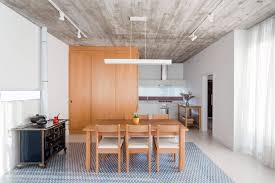
Celebrating structural components adds character and authenticity. Exposed ceiling beams, whether functional or decorative, introduce warmth and visual interest. They draw the eye upward, making spaces feel larger and more dynamic.
In modern construction, consider designing structural systems that enhance aesthetics. Steel beams can provide industrial elegance. Laminated wood beams bring organic warmth. Concrete structures offer raw, minimalist beauty. Your structural choices become design features.
Smart Storage Integration Through Architecture 📦
The best storage disappears into architecture rather than adding clutter. Built-in solutions planned during the design phase work infinitely better than furniture pieces added later.
Design walk-in closets with proper dimensions—at least 6 feet wide for comfortable access. Under-stair storage transforms wasted space into valuable real estate. Window seats with hinged tops provide seating plus hidden storage.
Consider these architectural storage opportunities: recessed niches between studs, full-height built-in cabinets, floor-to-ceiling bookshelves, and integrated mudroom benches with cubbies. Each saves floor space while meeting specific storage needs.
Architectural Pantries and Utility Spaces
A well-designed pantry can be a game-changer for kitchen functionality. Walk-in pantries keep counters clear and provide organized storage. Even a reach-in pantry with proper shelving systems beats scattered cabinet storage.
Utility spaces need architectural attention too. Dedicated laundry rooms with proper ventilation, folding counters, and hanging space make chores manageable. Mud rooms with coat hooks, shoe storage, and bench seating prevent entry chaos.
Zoning Your Home for Different Activities
Successful interior architecture separates incompatible activities while connecting complementary ones. Noisy zones (kitchens, playrooms, home gyms) should be distant from quiet zones (bedrooms, studies, meditation spaces).
Create distinct zones for different times of day. Morning zones might cluster breakfast areas, mudrooms, and bathrooms for efficient routines. Evening zones focus on relaxation—living rooms, outdoor connections, and cozy reading nooks.
Consider generational needs if your household spans different age groups. Teenagers benefit from separate wings with privacy. Elderly family members need main-floor bedrooms near bathrooms. Young children thrive near central family spaces where supervision feels natural.
Architectural Kitchens as Central Hubs 🍳
Modern kitchens demand architectural sophistication beyond cabinet layout. The room’s relationship to adjacent spaces, its access to natural light, and its connection to outdoor areas all require structural planning.
Position kitchens where cooking doesn’t isolate the chef from family activities. Visual connections to living areas allow conversation while preparing meals. Consider pass-through windows to outdoor dining areas for seamless indoor-outdoor entertaining.
Kitchen islands deserve architectural consideration, not just furniture placement. Properly scaled islands provide ample workspace without blocking circulation. Integrating plumbing and electrical during construction makes islands infinitely more functional than after-the-fact additions.
Architectural Details That Elevate Kitchen Design
Ceiling treatments above kitchen areas add sophistication. Coffered ceilings, exposed beams, or contrasting ceiling heights make kitchens feel special rather than merely functional. Architectural range hoods become sculptural focal points.
Consider kitchen sightlines carefully. What do you see from the stove? From the sink? These views should be pleasant—windows, architectural features, or connections to adjacent rooms—not blank walls or cluttered corners.
Bathroom Architecture Beyond Basic Function 🛁
Bathrooms represent some of the most complex architectural spaces due to plumbing, ventilation, and moisture control requirements. Getting the architecture right creates spa-like retreats rather than purely functional spaces.
Master bathrooms benefit from separation of functions. Enclosed water closets provide privacy in shared bathrooms. Separate tub and shower zones allow simultaneous use. Double vanities need proper spacing—at least 30 inches per person—to avoid elbow bumping.
Natural light transforms bathroom experiences. Privacy concerns often lead to small, high windows or no windows at all, but solutions exist. Skylights, clerestory windows, or frosted glass bring daylight without compromising privacy.
Wet Room Architecture
Wet rooms—fully waterproofed bathrooms with open showers—represent sophisticated architectural solutions. These barrier-free designs improve accessibility while creating sleek, modern aesthetics. Proper floor drainage and waterproofing are critical architectural considerations.
Steam showers require additional architectural planning. Ceiling height restrictions (typically 8 feet maximum), proper vapor barriers, and ventilation systems must be built into the structure. When done correctly, they provide luxurious home spa experiences.
Bedroom Architecture for Restorative Sleep 😴
Bedrooms need architectural qualities that promote rest. Location within the home matters—distance from street noise, separation from active living areas, and orientation to avoid early morning sun (unless you prefer natural wake-up light).
Master bedroom suites benefit from multiple zones: sleeping, dressing, and sitting areas each serve different functions. Architectural separation of these zones—through partial walls, ceiling changes, or floor level variations—creates distinct experiences within one room.
Closet architecture deserves careful planning. Walk-through closets connecting bedrooms to bathrooms provide convenient access while serving as sound buffers. Properly sized closets (minimum 6×8 feet for walk-ins) prevent storage frustrations.
Flexible Spaces That Evolve With Your Life
The best interior architecture accommodates change. Homes that served young families perfectly may need adaptation when children leave or aging parents move in. Building flexibility into your architecture prevents costly renovations.
Design bonus rooms with plumbing access for future bathroom additions. Include structural support for potential second-story additions. Wire spaces generously for technology that doesn’t exist yet. These forward-thinking architectural moves provide options as life circumstances change.
Consider movable walls or large sliding partitions that allow spaces to expand or contract. Open an area for entertaining or close it for privacy and noise control. This architectural flexibility delivers multiple home configurations within one footprint.
Outdoor Connections Through Architecture 🌳
Interior architecture shouldn’t stop at exterior walls. The relationship between indoor and outdoor spaces defines how fully you can enjoy your property and climate.
Large sliding or folding glass door systems dissolve boundaries between inside and outside. Design floor levels carefully—matching indoor and outdoor floor heights creates seamless transitions. Different levels require steps that interrupt flow and create barriers.
Covered outdoor spaces extend living areas while providing weather protection. Deep overhangs, pergolas, or fully roofed patios create comfortable outdoor rooms usable in various conditions. Architectural planning ensures these spaces integrate with interior rooms rather than feeling like afterthoughts.
Indoor-Outdoor Kitchens and Living Areas
Pass-through windows between indoor kitchens and outdoor patios facilitate entertaining. Design counter heights to match on both sides for continuous serving surfaces. Architectural coordination of these elements during planning beats retrofitting later.
Outdoor fireplaces create architectural anchors for exterior living rooms. Positioning them where they’re visible from interior spaces extends their visual impact. Thoughtful architecture makes these features enjoyable from multiple vantage points.
Acoustic Architecture for Peaceful Living 🔇
Sound control rarely receives adequate attention in residential architecture, yet it profoundly affects livability. Strategic architectural decisions dramatically reduce noise transmission between spaces.
Staggered stud walls between rooms provide better sound isolation than standard single-stud walls. Insulation in interior walls dampens sound transfer. Solid-core doors block noise far better than hollow-core alternatives. These architectural specifications cost little more but deliver enormous quality-of-life improvements.
Consider sound when positioning rooms. Locate home theaters, music rooms, or playrooms away from bedrooms and quiet zones. Use closets, bathrooms, and hallways as sound buffers between potentially noisy and quiet spaces.
Sustainable Architecture for Long-Term Value ♻️
Sustainable interior architecture benefits your wallet and the environment. Passive solar design—positioning windows and thermal mass to capture winter warmth—reduces heating costs. Strategic shading prevents summer overheating, lowering cooling expenses.
Material choices impact sustainability significantly. Rapidly renewable materials like bamboo, reclaimed wood, and recycled content products reduce environmental footprints. Durable materials that last decades prevent replacement waste and expense.
Design for adaptability rather than demolition. Spaces that easily convert to different uses extend building lifespans. This architectural approach proves more sustainable than constructing new buildings as needs change.
Technology Integration Through Architectural Planning 💡
Smart home technology requires architectural foresight. Conduit pathways allow wire upgrades without opening walls. Centralized wiring closets organize technology infrastructure. Adequate electrical circuits prevent overloaded systems.
Plan for technology you can’t imagine yet. Today’s smart home features would have seemed like science fiction twenty years ago. Tomorrow’s innovations will seem equally improbable. Flexible architectural infrastructure accommodates whatever comes next.
Consider these architectural tech preparations: charging stations in multiple locations, strong WiFi coverage through access point planning, automated shade pockets, and hidden speaker locations. Building these capabilities into architecture keeps technology integrated rather than tacked on.
Bringing Your Architectural Vision to Life
Creating incredible interior architecture requires collaboration between you, architects, and builders. Start by clearly communicating how you live, what frustrates you about past homes, and what delights you in spaces you’ve experienced.
Visit homes with architecture you admire. Take photos, ask questions, and understand what makes those spaces work. This research informs your own project, helping you articulate preferences to your design team.
Remember that great interior architecture balances beauty with function, current needs with future flexibility, and personal style with timeless principles. When you get it right, your home becomes more than shelter—it becomes a backdrop for your best life, supporting daily activities while inspiring you every single day.
The journey to building your home with incredible interior architecture demands thoughtful planning, but the rewards last a lifetime. Spaces that flow naturally, light that uplifts your mood, and rooms that adapt to changing needs create enduring value. Your home becomes a true reflection of who you are and how you want to live—that’s the ultimate achievement of masterful interior architecture. 🏡
