
Anúncios
Is your pet turning your home into a chaotic playground? It’s time to bring peace and harmony back with effective training techniques that truly work.



Training your pet at home doesn’t have to be overwhelming or frustrating. With the right approach, patience, and consistent techniques, you can transform your stubborn companion into a well-behaved family member. Many pet owners struggle with behavioral issues, but the good news is that most problems can be solved with dedication and proper guidance.
Anúncios
Whether you’re dealing with excessive barking, furniture destruction, or simple disobedience, home training offers a flexible and cost-effective solution. You’ll strengthen your bond while creating a calmer, happier living environment for everyone involved. Let’s explore how you can achieve remarkable results without leaving your home.
🐾 Understanding Why Your Pet Acts Out
Before diving into training methods, it’s essential to understand the root causes of your pet’s behavior. Dogs and cats don’t misbehave out of spite—there’s always an underlying reason. Identifying these triggers helps you address issues more effectively and compassionately.
Anúncios
Common causes include lack of mental stimulation, insufficient physical exercise, anxiety, or simply not understanding what’s expected of them. Pets thrive on routine and clear communication. When these elements are missing, confusion and frustration lead to problematic behaviors that stress both pet and owner.
Age also plays a significant role. Puppies and kittens naturally have boundless energy and curiosity, which can manifest as destructive behavior. Senior pets might develop new habits due to cognitive decline or physical discomfort. Recognizing these patterns allows you to tailor your training approach accordingly.
🏡 Creating the Perfect Training Environment at Home
Your home environment significantly impacts training success. Start by designating specific areas for different activities—eating, sleeping, playing, and training. This spatial organization helps your pet understand boundaries and expectations more clearly.
Remove distractions during training sessions. Turn off the television, put away toys, and ensure other family members aren’t interrupting. Consistency in your training space creates familiarity, making it easier for your pet to focus and learn.
Safety comes first. Secure potentially dangerous items, toxic plants, and valuable objects your pet might damage. A safe environment reduces stress for both of you and prevents accidents that could derail your training progress.
Essential Supplies for Home Training
Gathering the right tools makes training smoother and more effective. You don’t need expensive equipment—just a few strategic items that facilitate communication and positive reinforcement.
- High-value treats that your pet absolutely loves
- A comfortable collar or harness with proper identification
- A standard leash for controlled indoor training
- Interactive toys that stimulate mental engagement
- A clicker for precise behavior marking (optional but helpful)
- Cleaning supplies for inevitable accidents
- A comfortable mat or bed for designated rest areas
⏰ The Power of Consistency and Timing
Consistency stands as the cornerstone of successful pet training. Every family member must use the same commands, rewards, and corrections. Mixed signals confuse your pet and significantly slow progress, sometimes creating entirely new behavioral problems.
Timing matters tremendously. Rewards must come immediately after the desired behavior—within two to three seconds. This instant feedback helps your pet connect their action with the positive outcome. Delayed rewards lose their effectiveness because pets can’t make that crucial association.
Establish a regular training schedule. Short, frequent sessions work better than long, exhausting ones. Aim for five to ten minutes, two to three times daily. This approach maintains your pet’s interest and prevents mental fatigue that leads to frustration.

🎯 Mastering Basic Commands That Change Everything
Basic obedience commands form the foundation of a well-behaved pet. These simple instructions provide structure, enhance safety, and make daily life significantly more pleasant. Start with these essential commands before moving to more advanced training.
Teaching “Sit” Effectively
The “sit” command is typically the easiest to teach and serves as a building block for other behaviors. Hold a treat close to your pet’s nose, then slowly move your hand upward. As their head follows the treat, their bottom naturally lowers to the ground.
The moment their rear touches the floor, say “sit” clearly and immediately give the treat along with enthusiastic praise. Practice this multiple times throughout the day. Once they’re reliably sitting, gradually reduce treat frequency while maintaining verbal praise and occasional rewards.
Perfecting “Stay” for Better Control
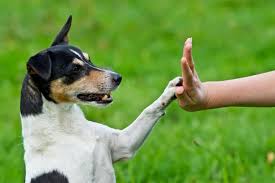
Once your pet masters “sit,” introduce “stay.” Ask them to sit, then show your open palm in front of their face while saying “stay.” Take one small step backward. If they remain in position for just a second, immediately return and reward them.
Gradually increase the distance and duration, but progress slowly. Rushing this command leads to confusion and failure. If your pet breaks the stay, simply start over without punishment. They’re still learning, and patience yields the best results.
The Life-Saving “Come” Command
Recall training could literally save your pet’s life. Start in a confined space without distractions. Get down to their level, make yourself exciting, and enthusiastically call their name followed by “come.” When they approach, reward generously with treats, praise, and affection.
Never call your pet to come for something unpleasant like nail trimming or baths. This creates negative associations that undermine the command’s effectiveness. Always make coming to you the best decision they’ll make all day.
💡 Addressing Stubborn Behaviors Head-On
Stubbornness often signals confusion rather than defiance. If your pet consistently ignores commands, reassess your training method. Are you being clear and consistent? Are rewards motivating enough? Sometimes adjusting your approach makes all the difference.
Different personalities require different techniques. Some pets respond beautifully to food rewards, while others prefer play or affection. Experiment to discover what truly motivates your individual companion, then leverage that knowledge in your training sessions.
Conquering Excessive Barking
Barking serves as natural communication, but excessive vocalization disrupts households and annoys neighbors. Identify the trigger—boredom, alerting, anxiety, or attention-seeking. Each cause requires a different solution.
For attention-seeking barking, ignore the behavior completely. Don’t make eye contact, speak, or touch your pet until they’re quiet for at least five seconds. Then immediately reward the silence. This teaches that quiet behavior earns attention, not noise.
If anxiety causes barking, address the underlying stress. Create a safe space, provide comfort items, and gradually desensitize your pet to triggers. Sometimes professional guidance proves necessary for severe anxiety cases.
Stopping Destructive Chewing
Chewing satisfies natural instincts, especially in young pets. Rather than eliminating the behavior, redirect it toward appropriate items. Provide various textures—rubber toys, rope toys, and chew treats that satisfy different urges.
When you catch your pet chewing something forbidden, calmly interrupt with a neutral sound like “ah-ah,” then immediately offer an acceptable alternative. Praise enthusiastically when they switch to the appropriate item. Never punish after the fact—they won’t understand the connection.
🧠 Mental Stimulation Equals Better Behavior
A tired pet is a well-behaved pet, and mental exercise exhausts them just as effectively as physical activity. Boredom drives countless behavioral problems, so incorporating brain games into daily routines dramatically improves overall temperament.
Puzzle toys challenge your pet to work for treats, engaging problem-solving skills and providing extended entertainment. Rotate toys regularly to maintain novelty and interest. Hide-and-seek games with treats or favorite toys stimulate natural foraging and hunting instincts.
Training itself provides excellent mental stimulation. Teaching new tricks, practicing old commands in new locations, or learning complex behaviors all engage your pet’s mind. This mental work often tires them more effectively than a simple walk.
🏃 The Exercise Factor You Can’t Ignore
Physical activity remains non-negotiable for most pets, particularly dogs. Insufficient exercise creates pent-up energy that manifests as destructive or hyperactive behavior. Daily movement requirements vary by breed, age, and individual temperament.
Indoor exercise works wonderfully when outdoor options are limited. Play fetch in hallways, set up obstacle courses with household items, or practice stair climbing (for healthy adult pets). Tug-of-war provides both physical exertion and bonding opportunities when played with proper rules.
Interactive play sessions strengthen your relationship while burning energy. These activities should be fun, varied, and appropriately challenging. Always end on a positive note, leaving your pet wanting slightly more rather than completely exhausted.
📅 Building a Sustainable Training Routine
Sustainable routines create lasting behavioral changes. Morning training sessions work well because pets are typically fresh and alert. Evening sessions help burn remaining energy before bedtime, promoting calmer nights.
Integrate training into daily activities. Practice “sit” before meals, “stay” before going outside, and “come” during playtime. This seamless integration reinforces commands without requiring dedicated training blocks, making consistency effortless.
Track progress in a simple journal or smartphone app. Document which techniques work, note particularly challenging moments, and celebrate victories. This record helps identify patterns and maintains motivation during plateaus.
🎉 Positive Reinforcement vs. Punishment
Modern animal behavior science overwhelmingly supports positive reinforcement over punishment-based methods. Rewarding desired behaviors proves more effective, creates stronger bonds, and avoids the fear and anxiety that punishment generates.
Positive reinforcement includes treats, praise, toys, play, and affection—anything your pet values. The key is timing and consistency. Reward immediately when your pet does something right, making the connection crystal clear.
Punishment often backfires, creating fear without teaching alternative behaviors. If you must correct, redirect rather than punish. Show your pet what they should do instead, then reward that correct choice. This approach builds confidence and understanding.
🐕 Age-Specific Training Considerations
Puppies and kittens learn quickly but have short attention spans. Keep sessions brief, fun, and reward-heavy. Socialization during this critical period shapes their entire adult personality, so expose them to various people, sounds, and experiences positively.
Adult pets can absolutely learn new behaviors, though they might take slightly longer than youngsters. They often have established habits that need patient redirection. Focus on one behavior at a time, celebrating small improvements.
Senior pets deserve gentle, compassionate training that accommodates physical limitations. Shorter sessions prevent fatigue, and softer treats protect aging teeth. Cognitive decline might require simplified commands and extra patience, but training keeps their minds active and engaged.
🚨 When to Seek Professional Help
Some situations benefit from professional expertise. Aggression toward people or other animals, severe separation anxiety, or fear-based behaviors often require specialized intervention. There’s no shame in seeking help—it demonstrates commitment to your pet’s wellbeing.
Certified professional trainers and veterinary behaviorists bring valuable experience and objective perspectives. They identify issues you might miss and provide customized solutions for your specific situation. Many now offer virtual consultations, making expert guidance accessible from home.
Warning signs that professional help is needed include behaviors that worsen despite consistent training, safety concerns for family members or other pets, and situations causing significant stress for you or your pet.
✨ Celebrating Progress and Staying Motivated
Training isn’t linear—expect good days and frustrating setbacks. What matters is the overall trend, not daily perfection. Celebrate small victories enthusiastically. Every successful “sit,” every quiet moment, and every ignored temptation represents progress worth acknowledging.
Remember why you started this journey. Envision the calm, well-behaved companion you’re working toward. That vision sustains motivation during challenging periods when progress feels invisible.
Your patience, consistency, and love transform stubborn behaviors into polite manners. The bond you build through positive training creates a relationship based on mutual respect and understanding—the foundation of a harmonious home where both you and your pet thrive together.
🌟 Creating Your Calm and Happy Home
Training your pet at home delivers profound rewards beyond simple obedience. You’ll notice reduced stress levels, fewer conflicts, and more enjoyable interactions. Your pet becomes a true companion rather than a source of constant frustration.
The techniques outlined here work when applied consistently with patience and understanding. Every pet is unique, so adapt these methods to suit your individual companion’s personality, preferences, and learning style. Trust the process, celebrate progress, and enjoy the journey.
Start today with just one simple command. Build from there gradually, maintaining realistic expectations and boundless patience. Before you know it, that stubborn, chaotic pet will transform into the calm, well-mannered companion you’ve always wanted—all achieved from the comfort of your own home.
