
Anúncios
If you’re someone who struggles to wake up in the morning, no matter how many alarms you set, you’re not alone. Heavy sleepers often miss important appointments, work meetings, or even flights because traditional alarm clocks just aren’t loud enough. But there’s good news: a new generation of alarm apps is here to save your mornings.



Being a heavy sleeper isn’t a character flaw or laziness—it’s often a physiological trait. Some people naturally sleep more deeply than others, making it incredibly difficult to hear standard alarm sounds. This can lead to chronic lateness, stress, and even job-related consequences.
Anúncios
Fortunately, technology has evolved to address this specific challenge. Modern alarm applications now offer louder sounds, creative wake-up challenges, and customizable features designed specifically for people who need more than a gentle melody to start their day. Let’s explore how these innovative solutions can transform your mornings forever. ⏰
Why Traditional Alarms Fail Heavy Sleepers
Standard alarm clocks typically produce sounds between 60 and 80 decibels. While this works for most people, heavy sleepers often need something significantly louder—sometimes approaching 90 decibels or more—to actually register the sound during deep sleep phases.
Anúncios
The problem isn’t just volume, though. Traditional alarms lack variety and engagement. When you hear the same sound every morning, your brain learns to incorporate it into your dreams or simply ignore it as background noise. This phenomenon, called habituation, is one of the main reasons why your current alarm might not be working effectively anymore.
Additionally, the snooze button has become a curse for heavy sleepers. What seems like “just five more minutes” often turns into 30 or 40 minutes of interrupted, low-quality sleep that leaves you feeling even more tired than before. Breaking this cycle requires more than willpower—it requires the right tools.
Meet the Extra-Loud Alarm Apps Designed for You 📱
The new generation of alarm applications understands the unique challenges heavy sleepers face. These apps don’t just increase volume—they completely reimagine the wake-up experience with features specifically engineered to get you out of bed.
One of the most effective features is the extremely loud alarm option. These apps can generate sounds that reach maximum phone speaker capacity, often exceeding 100 decibels when needed. The sounds are carefully designed to be impossible to ignore—think emergency sirens, air raid alerts, or custom high-frequency tones that cut through even the deepest sleep.
But volume alone isn’t the only innovation. Many of these apps include “wake-up challenges” that require you to complete tasks before the alarm will turn off. You might need to solve math problems, shake your phone vigorously, scan a barcode in your bathroom, or even take a photo of a specific location in your home.
Features That Make the Difference
Modern alarm apps for heavy sleepers come packed with customizable features that work together to ensure you actually wake up:
- Gradual volume increase: Starts quietly and builds to maximum volume over several minutes, making the wake-up process less jarring while still being effective
- Multiple alarm sounds: Rotate between different tones each day to prevent habituation and keep your brain alert to the stimulus
- Vibration patterns: Powerful vibration sequences that work alongside sound to create a multi-sensory wake-up experience
- Smart scheduling: Learns your sleep patterns and wakes you during lighter sleep phases within a specified time window
- Snooze prevention: Completely disables the snooze function or makes it extremely difficult to activate
- Backup alarms: Automatically sets additional alarms if you don’t dismiss the first one within a certain timeframe
- Sleep statistics: Tracks your sleep quality and wake-up success rate to help you understand and improve your patterns
How Loud Is Loud Enough? Understanding Decibel Levels 🔊
Understanding sound measurement helps you appreciate why these specialized alarm apps are necessary for heavy sleepers. Decibels (dB) measure sound intensity on a logarithmic scale, meaning small numerical increases represent significant volume jumps.
Here’s a practical comparison to put alarm volumes in context:
| Sound Source | Decibel Level | Perception |
|---|---|---|
| Whisper | 30 dB | Very quiet |
| Normal conversation | 60 dB | Comfortable |
| Standard alarm clock | 70-80 dB | Noticeable |
| Vacuum cleaner | 85 dB | Loud |
| Extra-loud alarm apps | 90-100 dB | Very loud |
| Ambulance siren | 110 dB | Extremely loud |
Extra-loud alarm apps typically operate in the 90-100 decibel range, which is comparable to a lawn mower or subway train. This level of volume is sufficient to wake even the deepest sleepers without causing hearing damage when used responsibly and for short durations.
It’s worth noting that prolonged exposure to sounds above 85 decibels can potentially damage hearing. However, alarm sounds last only seconds to minutes, making them safe when used as intended. The key is getting the alarm loud enough to wake you, then turning it off promptly—which these apps’ challenge features help ensure.

Wake-Up Challenges: Training Your Brain to Respond
Perhaps the most revolutionary feature of modern alarm apps is the incorporation of wake-up challenges. These tasks force cognitive engagement, which is essential for transitioning from sleep to full wakefulness. When your brain must actively solve a problem or complete a physical task, it cannot remain in sleep mode.
Mathematical challenges are among the most popular options. You might need to solve several arithmetic problems of varying difficulty before the alarm silences. Starting your day with mental exercise, even simple addition or subtraction, activates your prefrontal cortex and breaks the sleep inertia that keeps you drowsy.
Physical challenges work differently but are equally effective. Some apps require you to shake your phone hundreds of times—an activity that gets your blood flowing and increases alertness through movement. Others use your phone’s camera to verify you’ve gotten out of bed and walked to a specific location, like your bathroom or kitchen.
The Barcode and QR Code Method
One particularly ingenious challenge involves scanning a barcode or QR code that you’ve placed in another room. Setting this up is simple: you take a photo of any barcode in your home (perhaps on a toothpaste tube in the bathroom or a cereal box in the kitchen), and the app requires you to physically go to that location and scan it to turn off the alarm.
This method is remarkably effective because it combines multiple wake-up strategies simultaneously. You must physically remove yourself from bed, walk to another room, turn on lights, and use fine motor skills to scan the code. By the time you’ve completed these actions, you’re genuinely awake and much less likely to return to bed.
Customization Options for Your Personal Wake-Up Style ✨
Everyone’s sleep patterns and preferences differ, which is why the best alarm apps offer extensive customization. You’re not locked into a one-size-fits-all approach—instead, you can tailor every aspect of your wake-up experience to match your specific needs and lifestyle.
Sound selection goes far beyond choosing between a few preset ringtones. Premium alarm apps offer libraries containing hundreds of alarm sounds across multiple categories: nature sounds, musical instruments, voice recordings, emergency sirens, comedy clips, and even the ability to use your own music or recordings as alarm tones.
Volume control can be set to specific levels or programmed to gradually increase. Some people prefer starting with moderate volume that escalates if they don’t respond, while others want maximum volume immediately. The flexibility to adjust this based on your personal sleep depth makes a significant difference in effectiveness.
Scheduling options have also become incredibly sophisticated. Beyond setting different alarms for weekdays and weekends, you can create complex schedules that account for shift work, varied morning routines, or special circumstances. Some apps even integrate with your calendar to automatically adjust wake-up times based on your first appointment of the day.
Sleep Tracking and Pattern Recognition
Many advanced alarm apps include sleep tracking features that monitor your sleep cycles throughout the night. Using your phone’s accelerometer and microphone, these apps detect movement and sound patterns that indicate different sleep stages—from light sleep to deep REM cycles.
Understanding your sleep architecture helps optimize wake-up timing. If you need to wake up around 7:00 AM, the app might identify that you’re in a light sleep phase at 6:53 AM and trigger the alarm then, rather than waiting until 7:00 when you might be in deep sleep. Waking during light sleep reduces grogginess and makes the morning transition much easier.
Sleep statistics accumulated over weeks and months reveal valuable patterns. You might discover that you consistently sleep poorly on certain days, or that your sleep quality improves when you go to bed at a specific time. These insights empower you to make informed adjustments to your sleep hygiene and routine.
Practical Tips for Maximizing Alarm App Effectiveness 💡
Having a powerful alarm app is only part of the solution. How you use it and the habits you build around it significantly impact your success in waking up on time consistently.
First, place your phone strategically. Keeping it within arm’s reach defeats the purpose of many wake-up challenges. Instead, position it across the room or even in a different area where you must physically get up to reach it. This simple change dramatically increases the likelihood that you’ll actually wake up rather than reflexively dismissing the alarm.
Second, resist the temptation to immediately check your phone for messages or social media once the alarm goes off. This can lead to a different kind of time-wasting that makes you late despite waking up. Use the alarm dismissal challenge as your sole phone interaction until you’ve completed your morning routine basics.
Third, combine your alarm app with other wake-up strategies. Open your curtains before bed so natural light enters the room at dawn. Keep a glass of water on your nightstand to drink immediately upon waking. Set your room temperature slightly cooler, as warmth promotes continued sleep while coolness encourages alertness.
Building a Consistent Sleep Schedule
Even the best alarm app cannot fully compensate for irregular sleep patterns and chronic sleep deprivation. Your body’s circadian rhythm functions optimally when you maintain consistent sleep and wake times, even on weekends and days off.
Try to go to bed and wake up at the same times every day, with no more than an hour’s variation. This consistency trains your body’s internal clock, eventually making it easier to wake up naturally even before your alarm sounds. The alarm becomes a safety backup rather than the only thing getting you out of bed.
Avoid screens for at least an hour before bedtime, as blue light disrupts melatonin production and makes falling asleep more difficult. If you must use devices, enable blue light filters or wear blue-blocking glasses. Better yet, use this time for reading, light stretching, or other relaxing non-screen activities.
Addressing Common Concerns and Questions
Some people worry that extremely loud alarms might disturb household members or neighbors. This is a legitimate concern, but most apps address it through gradual volume increase and the option to use vibration-only modes. Additionally, the wake-up challenges ensure the alarm doesn’t continue blaring for extended periods—you’re motivated to turn it off quickly, which actually minimizes disturbance.
Battery consumption is another consideration, especially if you’re using sleep tracking features throughout the night. Most modern alarm apps are optimized for efficiency and won’t significantly drain your battery. However, it’s wise to charge your phone overnight or ensure you have sufficient battery to last until morning. Some people keep a backup alarm clock as an additional safeguard.
Privacy concerns sometimes arise with apps that use microphones for sleep tracking or require camera access for photo-based challenges. Reputable apps clearly explain what data they collect and how it’s used. Look for apps with strong privacy policies that store data locally on your device rather than uploading it to external servers.
The Psychology of Waking Up: Why This Approach Works 🧠
Understanding why these alarm apps are so effective requires looking at the psychology and neuroscience of waking up. When you’re in deep sleep, your brain essentially shuts down non-essential sensory processing to facilitate restoration and memory consolidation. Only sufficiently strong or unusual stimuli can penetrate this protective barrier.
Loud, distinctive sounds serve as such stimuli. Your brain has evolved to respond to potential threats or important signals even during sleep—think of how new parents immediately wake to a baby’s cry even when exhausted. Extra-loud alarm apps exploit this mechanism, creating sounds your brain interprets as requiring immediate attention.
The cognitive challenges work through a different but complementary mechanism. Sleep inertia—that foggy, disoriented feeling upon waking—results from your brain’s gradual transition from sleep to wakefulness. Active problem-solving accelerates this process by forcing multiple brain regions to activate simultaneously, effectively “booting up” your conscious mind faster than passive waking allows.
Real Stories: How These Apps Changed Morning Routines
Countless heavy sleepers have transformed their lives using these specialized alarm applications. People who previously missed important meetings, arrived late to work chronically, or even lost jobs due to oversleeping have regained control of their mornings and, by extension, their professional and personal lives.
Students report making it to early morning classes they previously skipped, improving their academic performance and reducing stress. Parents who struggled to wake up for school runs now handle morning routines more smoothly, creating calmer household dynamics. Shift workers who need to wake at unusual hours find these apps invaluable for maintaining alertness despite disrupted circadian rhythms.
The psychological benefits extend beyond punctuality. Successfully waking up on time builds self-efficacy and reduces morning anxiety. Instead of starting each day with panic about being late, you begin with a sense of control and accomplishment. This positive momentum often carries through the entire day, improving mood and productivity.
Choosing the Right Alarm App for Your Needs
With numerous alarm apps available, selecting the right one requires considering your specific sleep challenges and preferences. If you’re an extremely heavy sleeper, prioritize apps specifically marketed for this purpose, with verified extra-loud volume capabilities and mandatory wake-up challenges you cannot easily bypass.
Read user reviews from other heavy sleepers rather than general reviews. What works for someone with mild sleep issues won’t necessarily work for you. Look for comments specifically mentioning successful wake-ups after years of struggle, or reviews from users who describe similar sleep patterns to yours.
Try the free version or trial period before committing to premium features. Most quality alarm apps offer basic functionality at no cost, with advanced features available through in-app purchases or subscriptions. Test the core alarm function for at least a week to ensure it actually wakes you reliably before investing in additional features.
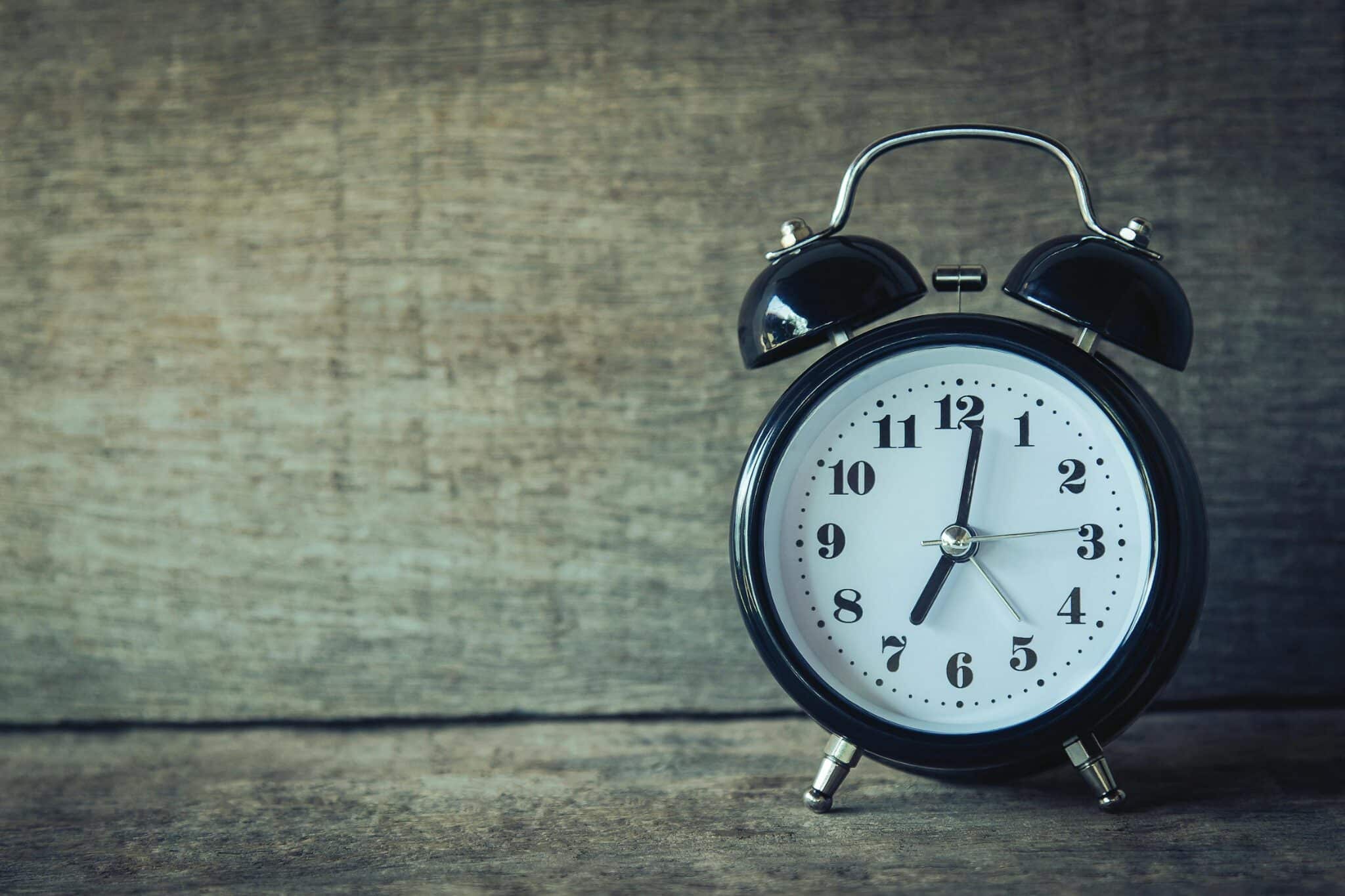
Never Miss Another Important Morning Again ⏰
The frustration of being a heavy sleeper who struggles with traditional alarms doesn’t have to define your mornings anymore. Modern alarm applications have evolved specifically to address this challenge with louder sounds, engaging wake-up tasks, and intelligent features that ensure you actually get out of bed.
These aren’t just slightly improved versions of the alarm clock on your nightstand—they represent a fundamental reimagining of the wake-up experience. By combining acoustic power with psychological insights and behavioral strategies, they provide a comprehensive solution that works even for the deepest sleepers.
The technology exists right now to transform your mornings from stressful, chaotic rushes into calm, controlled starts to your day. You don’t have to continue living with the anxiety of potentially oversleeping or the reputation of always being late. The solution literally fits in your pocket.
Download one of these specialized alarm applications today and experience the difference tomorrow morning. Set it up tonight, customize it to your needs, enable the challenges that will get you moving, and place your phone somewhere that requires you to get out of bed. Your future well-rested, punctual self will thank you.
Stop letting heavy sleep control your schedule and start taking control of your mornings. The alarm that will finally work for you is just one download away. 🌅
