
Anúncios
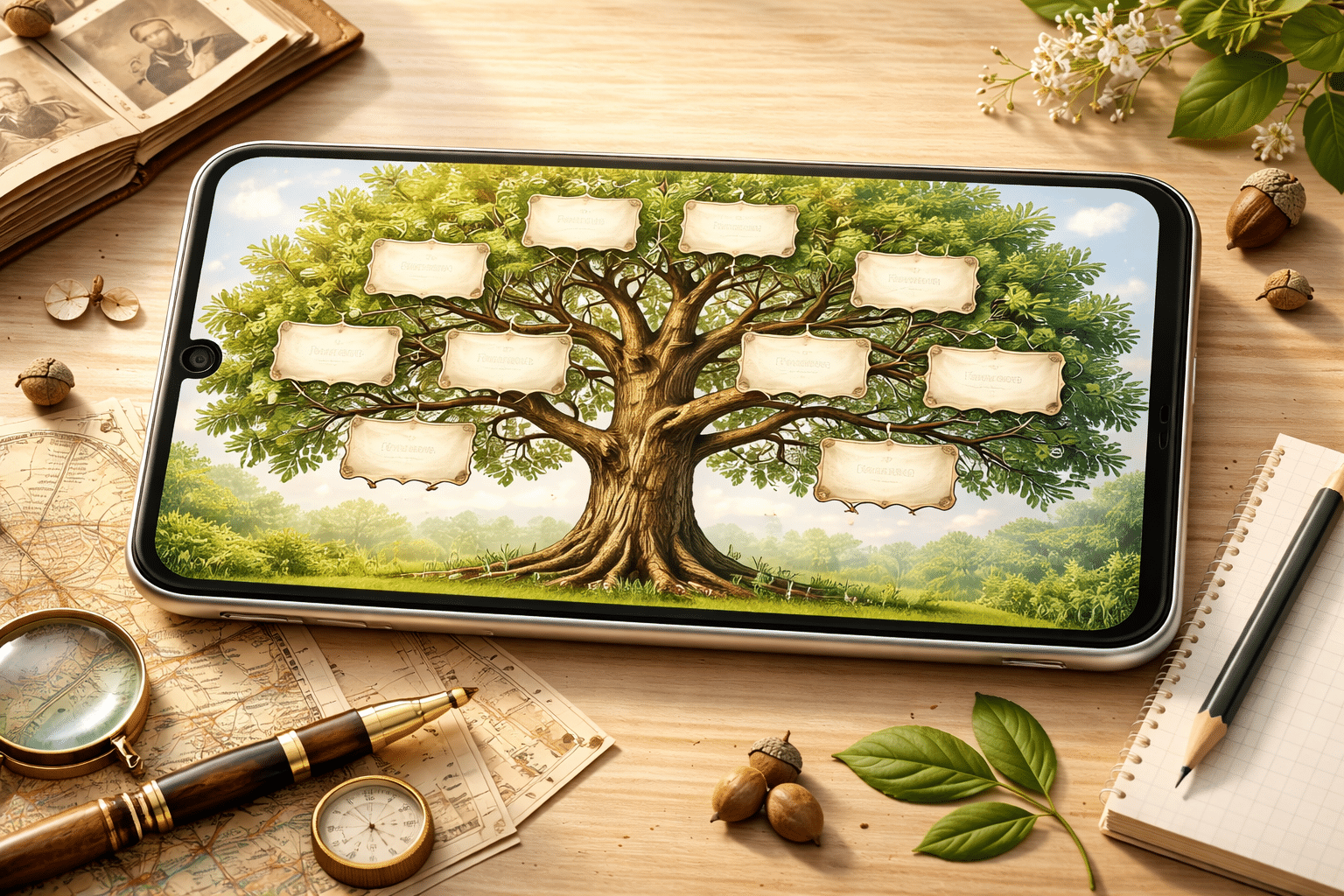
Creating your family tree is more than organizing names and dates—it’s about weaving stories, preserving memories, and connecting generations through the power of visual storytelling.



Every family has a unique narrative waiting to be told. Your genealogy tree isn’t just a chart—it’s a living document that captures the essence of who you are and where you came from. When you attach photographs to each branch, you transform cold data into warm, tangible connections.
Anúncios
The journey of building your family history becomes magical when you realize that each image represents a life lived, dreams pursued, and love shared. These moments frozen in time create eternal memories that transcend generations and keep your ancestors’ spirits alive in the hearts of those yet to come.
🌳 Why Your Family Tree Deserves Beautiful Visual Documentation
Genealogy research has evolved dramatically over the past decade. What once required dusty archives and handwritten letters now happens with a few clicks on your smartphone. However, the true magic isn’t in the technology—it’s in what you do with the information you discover.
Anúncios
Adding photographs to your family tree elevates it from a simple database to an immersive experience. When your children or grandchildren explore their roots, they don’t just see names like “Maria Santos, born 1923″—they see Great-Grandma Maria’s warm smile, the texture of her favorite dress, and perhaps the humble home where she raised seven children.
Visual memory triggers emotional connections in ways that text alone cannot. Neuroscience shows that our brains process images 60,000 times faster than text. When you combine genealogical data with historical photographs, you create powerful anchors for family stories that might otherwise be forgotten.
📸 Transforming Moments Into Eternal Memories
Every photograph in your family collection holds layers of meaning. That faded wedding picture from 1952 isn’t just documentation—it’s a portal to understanding the values, fashion, social customs, and even economic conditions of that era.
Consider the details preserved in old photographs: the architecture of buildings that no longer exist, traditional clothing styles, handwritten notes on the back, stamps from photo studios long closed. Each element contributes to a richer understanding of your family’s journey through time.
When you digitize and attach these images to your genealogy tree, you’re performing an act of preservation. Physical photographs deteriorate, get lost in moves, or remain hidden in forgotten boxes. Digital integration ensures these precious moments survive for future generations.
Creating Context Through Image Collections
A single photograph tells a story, but a collection reveals patterns and progression. When you organize images chronologically within your family tree, fascinating narratives emerge naturally:
- Migration patterns become visible as backgrounds change from rural to urban settings
- Economic progress or challenges show through clothing quality and home environments
- Family traditions reveal themselves through repeated poses, locations, or gathering occasions
- Physical traits pass down through generations, creating visual connections across centuries
- Historical events leave their mark on family expressions and circumstances
These visual patterns help younger generations understand their heritage in concrete, relatable ways. Abstract concepts like “hard times during the war” become real when they see their great-grandfather’s gaunt face in 1944, then his joyful reunion photo in 1946.
🎨 Crafting Your Personal Family Narrative
Building a family tree with integrated imagery is fundamentally an act of storytelling. You’re the curator, editor, and narrator of your family’s visual history. This creative process involves important decisions about what to include, how to organize information, and which stories deserve prominence.
Start by gathering all available photographs from family members. Aunts, uncles, cousins, and even distant relatives often possess unique images you’ve never seen. Each person’s collection offers a different perspective on shared family history.

Digital tools make this collaboration easier than ever. Cloud-based genealogy platforms allow multiple family members to contribute photos, correct information, and share memories in real-time. The collective knowledge of your extended family creates a more complete, accurate, and nuanced family history.
Organizing Photos for Maximum Impact
Random photo placement diminishes the storytelling power of your family tree. Strategic organization enhances understanding and emotional connection. Consider these approaches:
- Use formal portraits as primary profile images for each person
- Add candid photos showing personality, hobbies, or daily life
- Include location photos of ancestral homes, villages, or significant places
- Attach document images like immigration papers, military records, or certificates
- Group event photos showing weddings, birthdays, or family gatherings
Many genealogy platforms allow multiple images per individual. Take advantage of this feature to build rich, multidimensional portraits of your ancestors. The young bride, the middle-aged mother, the elderly grandmother—showing life’s progression helps descendants see their ancestors as complete human beings who lived full lives.
💡 Technical Tips for Photo Integration Success
Quality matters when digitizing family photographs. Poor-quality scans or photos diminish the impact of your genealogy project and may make restoration difficult later. Invest time in doing this right the first time.
For scanning old photographs, use at least 300 DPI resolution, preferably 600 DPI for small images or those you might want to enlarge later. Save files in lossless formats like TIFF or PNG for archival purposes, even if you upload JPEGs to your online tree for space efficiency.
Handle original photographs carefully, especially very old or damaged ones. Clean your scanner glass before each use, and never use chemical cleaners on the photographs themselves. If an image is extremely fragile, consider professional digitization services.
Restoration and Enhancement Considerations
Modern photo editing software offers amazing restoration capabilities. Torn edges can be repaired, faded colors revived, and stains removed. However, approach restoration thoughtfully:
- Always keep unedited originals in your archive
- Label restored versions clearly to distinguish them from originals
- Avoid over-processing that makes images look artificial
- Document what restoration work was performed and why
- Consider the historical value of damage or aging in some cases
Some genealogists argue that visible aging adds authenticity and historical context. A perfectly restored 1890s photo might look suspiciously modern. Balance aesthetic improvement with historical integrity based on your family tree’s purpose and audience.
🔍 Mining Photos for Genealogical Clues
Photographs contain hidden information that careful examination can reveal. These visual clues often solve genealogical mysteries or confirm documentary evidence.
Background details offer surprising insights. A store sign visible in one photo might confirm a family business. A church steeple helps identify the town where a photo was taken. License plates, street signs, and architectural styles all provide dating and location evidence.
Clothing and hairstyles narrow down dates for undated photographs. Fashion historians can often date images within a five-year window based on sleeve styles, hem lengths, or men’s collar shapes. This information proves invaluable when birth dates are disputed or unknown.
Reading the Stories Written in Faces
Family resemblances visible in photographs can confirm relationships or suggest previously unknown connections. That distinctive nose, the particular set of the eyes, or a characteristic smile passes through generations, creating visual links between centuries.
Expressions and body language reveal relationships and personalities. Which children stand closest to which parent? Who looks comfortable or uncomfortable? Whose hand rests protectively on whose shoulder? These subtle cues tell stories about family dynamics that written records never mention.
Group photo arrangements often follow social hierarchies and family importance. Understanding these patterns helps identify unknown individuals and clarifies family structure in complex households that might include extended family, boarders, or servants.
🌍 Connecting Geography to Your Visual Family Story
Location context enriches genealogical photographs immensely. Knowing that a photo was taken in Sicily versus Chicago changes how you interpret clothing, expressions, and circumstances. Geography explains migration patterns, marriage choices, and occupation changes.
Many modern genealogy platforms integrate mapping features. Plotting your ancestors’ locations over time creates a visual migration story that complements your photo-enhanced family tree. You can see exactly where each branch of your family lived, when they moved, and what distances separated relatives.
Contemporary photos of ancestral locations add powerful context. Visit the village where your great-grandparents were born, photograph the church where they married, find the building where they lived. These modern images bridge past and present, helping descendants visualize their heritage.
👨👩👧👦 Making Your Family Tree a Multi-Generational Project
The most successful family history projects involve multiple generations working together. Children learn history through their own family’s story. Parents preserve memories while elders still live to provide context. Grandparents share knowledge and verify details that photographs alone cannot confirm.
Interview older relatives while reviewing photographs together. Their memories add irreplaceable context to images. “That was the day Papa bought his first car,” or “Mama made that dress herself from flour sack material.” These details transform generic old photos into specific, meaningful family memories.
Record these conversations. Video interviews where elders discuss photographs create a multimedia family archive of extraordinary value. Future generations won’t just see their great-great-grandmother’s photo—they’ll hear their grandmother’s voice telling stories about her.
Teaching Children Through Visual Family History
Kids engage with family history more readily when it includes pictures. Abstract concepts like “five generations ago” become concrete when children see themselves in a photo with parents, grandparents, and great-grandparents—a living link across time.
Create age-appropriate activities around your photo family tree. Young children can identify who has grandma’s eyes or grandpa’s smile. Older kids can compare fashions across decades, notice technology changes in backgrounds, or research historical events visible in photos.
This educational approach instills family pride and identity while teaching research skills, critical thinking, and historical awareness. Your visual family tree becomes a personalized textbook that makes history immediate and relevant.
🎁 Sharing Your Visual Family Legacy
Once you’ve built a beautiful, photo-rich family tree, share it generously. The effort you’ve invested benefits not just you but all current and future family members. Digital platforms make sharing easy while maintaining your control over privacy settings.
Consider creating physical products from your digital family tree. Photo books arranged genealogically make treasured gifts. Wall-sized family tree posters with integrated photos become focal points at family gatherings. Custom calendars featuring different ancestors each month keep family history present in daily life.
Social media offers opportunities for broader sharing while gathering more information. Posting old family photos often prompts relatives to contribute their own images and memories. These collaborative discoveries enrich everyone’s understanding of shared heritage.
Privacy and Sensitivity Considerations
While sharing is valuable, respect privacy concerns. Not everyone wants their information or photos publicly available. Most genealogy platforms offer privacy controls that let you share selectively with approved family members while keeping other information private.
Be particularly careful with living individuals’ information. Identity theft concerns make full birth dates and location details for living people risky to share publicly. Photos of minor children require parents’ explicit permission before posting.
Some historical information might be sensitive—adoptions, divorces, births outside marriage, or criminal records. Discuss these situations with affected family members before sharing. Your goal is preserving history, not causing pain or embarrassment.
🔮 Preserving Your Work for Future Generations
Digital preservation requires planning. Technology changes rapidly—will your carefully built family tree be accessible in fifty years? Multiple backup strategies protect your investment of time and emotion.
Maintain copies in different formats and locations. Cloud storage, external hard drives, and physical printouts each protect against different failure modes. Update backups regularly, especially after adding new information or photos.
Choose genealogy platforms with data export features. Proprietary formats that lock your data into one service create vulnerability. GEDCOM files, though imperfect, allow transfer between platforms if your chosen service closes or changes unacceptably.
Document your research methods and sources meticulously. Future family members will want to verify your work or extend it. Clear documentation of where you found each photograph, date, and fact makes your family tree a trustworthy resource rather than just an attractive display.
✨ The Lasting Impact of Your Visual Family Story
Creating a photo-enriched family tree is fundamentally an act of love. You’re giving your descendants a precious gift—connection to their roots, understanding of their heritage, and visual proof that they’re part of something larger than themselves.
This project changes how future generations see themselves. Children who know their family history develop stronger identities and resilience. They understand that challenges can be overcome because their ancestors did exactly that. They see patterns of strength, creativity, and perseverance running through their bloodline.
Your visual family tree becomes a bridge between past and future. Those who came before live on through the images and stories you’ve preserved. Those yet to be born will know their ancestors’ faces, understand their struggles, and feel connected to a lineage stretching back through time.
The work you do today echoes through generations. Every photograph you scan, every story you record, every connection you document adds to a legacy that transcends your own lifetime. You’re not just building a family tree—you’re creating eternal memories that will touch lives you’ll never meet.
Start today. Gather those boxes of old photos, call that aunt who has family albums, download a genealogy app, and begin the beautiful journey of building your story with your own family tree. One moment, one image, one eternal memory at a time.
