
Anúncios
Learning how to apply makeup is a transformative journey that boosts confidence, enhances natural beauty, and unlocks endless creative possibilities for self-expression.


Makeup artistry isn’t reserved exclusively for professionals or beauty enthusiasts with years of experience. Anyone with curiosity and willingness to practice can master fundamental techniques that elevate their everyday look. Whether you’re preparing for a special occasion or simply want to enhance your daily routine, understanding the basics opens doors to sophisticated styles and personalized expressions.
This comprehensive guide walks you through essential makeup techniques, from skin preparation to advanced application methods. You’ll discover practical tips, product recommendations, and step-by-step approaches that simplify what might initially seem overwhelming. With patience and practice, these incredible techniques will become second nature, empowering you to create countless looks that reflect your unique personality.
🌟 Understanding Your Skin Type and Undertone
Before diving into application techniques, identifying your skin type and undertone establishes the foundation for flawless makeup. Skin types generally fall into five categories: normal, dry, oily, combination, and sensitive. Each requires specific products and preparation methods to ensure makeup adheres properly and lasts throughout the day.
Determining your undertone—warm, cool, or neutral—guides you toward foundation shades and color palettes that complement your natural complexion. Check the veins on your wrist: greenish veins typically indicate warm undertones, while bluish veins suggest cool undertones. If you see both colors equally, you likely have neutral undertones.
Understanding these characteristics prevents common mistakes like choosing foundations that oxidize poorly or eyeshadows that clash with your natural coloring. This knowledge saves time, money, and frustration while shopping for cosmetics that truly work for you.
💧 Preparing Your Canvas: Skincare Before Makeup
Exceptional makeup starts with healthy, well-prepared skin. Establish a consistent skincare routine that includes cleansing, toning, moisturizing, and sun protection. Clean skin allows makeup to glide smoothly without clinging to dry patches or sliding off oily zones.
Apply a hydrating moisturizer suited to your skin type, giving it several minutes to absorb before starting makeup application. For oily skin, consider a mattifying primer that controls shine. Dry skin benefits from illuminating primers that add subtle radiance.
Don’t skip sunscreen—even under makeup. Many modern formulas sit beautifully beneath foundation while protecting against premature aging and sun damage. This step is non-negotiable for long-term skin health.
✨ Mastering Foundation Application Techniques
Foundation creates an even canvas that enhances your natural beauty rather than masking it. Begin by selecting a formula appropriate for your skin type—liquid foundations suit most skin types, while powder foundations work well for oily complexions, and cream formulas benefit dry skin.
Application tools significantly impact the final result. Beauty sponges provide airbrushed finishes when dampened before use, while brushes offer buildable coverage with various density options. Some prefer fingertips for natural, skin-like finishes with minimal product waste.
Apply foundation starting from the center of your face and blending outward toward your hairline and jawline. This technique ensures the most coverage where typically needed—around the nose, cheeks, and forehead—while maintaining a natural transition to your neck.

Choosing the Right Foundation Shade
Testing foundation in natural lighting prevents the disappointment of mismatched makeup. Swatch three shades along your jawline—the one that disappears into your skin is your perfect match. Avoid testing on your hand or wrist, as these areas often differ significantly from facial skin tone.
Consider purchasing two shades if you tan seasonally or experience color changes throughout the year. Mix them to create custom shades that adjust perfectly to your evolving complexion.
🎨 Concealer Magic: Brightening and Correcting
Concealer serves multiple purposes beyond hiding blemishes. Strategic placement brightens under-eyes, highlights specific features, and corrects discoloration. Choose a shade one to two tones lighter than your foundation for under-eye brightening, and match your foundation shade for blemish coverage.
Apply concealer in an inverted triangle shape beneath the eyes, extending from the inner corner downward and outward. This technique lifts the face visually while addressing darkness and shadowing. Gently blend using patting motions rather than rubbing, which can displace product and create creasing.
Color-correcting concealers neutralize specific concerns: peach or orange tones cancel blue or purple darkness, green neutralizes redness, and lavender counteracts yellow or sallow undertones. Apply color correctors before regular concealer for maximum effectiveness.
👁️ Eye Makeup Fundamentals That Transform Your Look
Eyes serve as the focal point of most makeup looks, making eye makeup techniques particularly impactful. Start with eyeshadow primer, which prevents creasing and intensifies pigmentation. This step extends wear time dramatically, especially for oily eyelids.
The classic three-shade technique creates dimension effortlessly: apply a light shade across the entire lid as a base, a medium transition shade in the crease, and a darker shade on the outer corner and crease for depth. Blend thoroughly between each application using windshield-wiper motions in the crease.
Eyeliner defines and shapes eyes according to your desired effect. Tightlining—applying liner to the upper waterline—adds subtle definition without obvious lines. Classic winged liner creates elegance and elongates eye shape, while smudged liner around the lash line produces softer, smokier effects.
Mascara Application for Maximum Impact
Curling lashes before mascara opens eyes dramatically. Hold the curler at the lash base for ten seconds, then repeat at the mid-point and tips for natural-looking lift. Apply mascara using zigzag motions from root to tip, building volume gradually with thin layers rather than one thick coat.
For lower lashes, hold the wand vertically and gently brush from side to side to avoid clumps. Wait for the first coat to dry slightly before applying additional layers to prevent spider-leg effects.
🌸 Perfecting Your Blush and Bronzer Placement
Blush and bronzer add healthy warmth and dimension to the face. Bronzer should be applied where the sun naturally hits—forehead, temples, cheekbones, and jawline—creating a sun-kissed glow. Use a light hand and build gradually, as removing excess product is more challenging than adding more.
Blush placement depends on face shape. For most faces, smile and apply blush to the apples of the cheeks, blending upward toward the temples. This creates a youthful, lifted appearance. Cream blushes offer dewy finishes, while powder formulas provide longer wear and easier blending for beginners.
Consider your undertone when selecting shades: peachy and coral tones complement warm undertones, while pink and berry shades enhance cool undertones. Neutral undertones can experiment freely with various shades.
💋 Lip Techniques for Every Occasion
Lips complete any makeup look, offering opportunities for bold statements or subtle enhancements. Exfoliate lips regularly and keep them moisturized for smooth application. Apply lip balm before starting your makeup, allowing it to absorb while you complete other steps.
Lip liner prevents feathering and extends lipstick wear. Choose shades matching your natural lip color for versatility, or match specific lipsticks for precise looks. Line slightly outside your natural lip line to create fuller appearance, or trace directly on the edge for natural definition.
Application techniques vary by formula: lipsticks apply directly from the bullet or with brushes for precision, liquid lipsticks require careful placement as they dry quickly, and glosses layer over other products for added dimension. Blotting with tissue after the first lipstick layer, then reapplying, significantly extends wear time.
✨ Highlighting and Contouring Like a Professional
These advanced techniques sculpt facial features by playing with light and shadow. Contouring uses shades darker than your skin tone to recede areas, while highlighting brings forward features with lighter, luminous products. Used together, they create dramatic dimension or subtle enhancement depending on intensity.
Contour hollows of cheeks, sides of the nose, jawline, and temples. Apply product in the “3” shape on each side of the face—starting at the forehead, curving under the cheekbone, and along the jawline. Blend thoroughly to avoid harsh lines, using circular motions that soften edges.
Highlight the high points of your face: cheekbones, bridge of the nose, cupid’s bow, brow bone, and inner corners of eyes. These reflective points catch light naturally, so emphasizing them creates luminosity. Cream highlighters suit dry skin and create wet-looking glows, while powder highlighters offer buildable intensity and suit oily complexions.
Selecting the Right Contour Shade
Choose contour products only two to three shades darker than your natural skin tone. Going too dark creates obvious, muddy lines rather than natural shadows. Cool-toned contour products mimic natural shadows most realistically, though warm undertones may prefer slightly warmer shades that complement their complexion.
🖌️ Essential Makeup Brushes and Tools
Quality tools elevate application significantly, though beginners don’t need extensive collections. Start with these essentials: fluffy blending brush for eyeshadow, flat shader brush for lid color, angled brush for liner or brows, foundation brush or beauty sponge, powder brush, blush brush, and a small lip brush.
Synthetic brushes work best with liquid and cream products, while natural hair brushes excel with powder formulas. Clean brushes weekly with gentle soap or specialized cleansers to prevent bacteria buildup and maintain performance. Dirty brushes compromise application quality and can cause breakouts.
Beauty sponges require dampening before use—this prevents product absorption and creates airbrushed finishes. Replace sponges every three months, as they harbor bacteria despite regular cleaning.
🌙 Creating Day-to-Night Makeup Transitions
Transforming daytime makeup into evening glamour doesn’t require complete reapplication. Build on your existing base by intensifying certain elements. Deepen eyeshadow by adding darker shades to the outer corner and crease, then apply more dramatic liner or false lashes for added impact.
Switch from natural lip colors to bolder shades, and add extra highlighter to amplify glow under evening lighting. A touch more blush and bronzer increases dimension that may fade during the day. Set everything with setting spray to ensure longevity through nighttime activities.
This approach saves time while maximizing your makeup’s versatility, perfect for busy schedules that transition from office to dinner without opportunity for complete touch-ups.
🎭 Common Makeup Mistakes and How to Avoid Them
Even experienced makeup enthusiasts encounter pitfalls. Cakey foundation often results from applying too much product or skipping moisturizer—always prep skin properly and build coverage gradually. Harsh contour lines indicate insufficient blending; take extra time to soften edges with clean brushes.
Mismatched foundation stems from testing in poor lighting or on the wrong area. Always check shades in natural light against your jawline and neck. Eyeshadow fallout can be minimized by tapping excess product off brushes before application and doing eye makeup before foundation when creating dramatic looks.
Overly drawn-on eyebrows look unnatural—use light, hair-like strokes rather than solid lines, and choose shades matching your natural brow color or slightly lighter. Clumpy mascara results from old product or over-application; replace mascara every three months and wipe excess from the wand before application.
📱 Makeup in the Digital Age: Tutorials and Apps
Technology revolutionizes makeup learning through countless tutorials, virtual try-on features, and educational apps. Video platforms offer step-by-step guidance from professionals and enthusiasts worldwide, covering every technique imaginable. Slow-motion features and close-ups clarify complex techniques that written instructions might miss.
Augmented reality apps let you experiment with products virtually before purchasing, reducing waste and disappointment. These tools suggest complementary shades and help identify your undertone through photo analysis. Some apps even provide personalized tutorials based on your face shape, eye shape, and skill level.
Join online communities where makeup lovers share tips, product reviews, and encouragement. These supportive spaces answer questions, troubleshoot problems, and inspire creativity through shared looks and techniques.
🌿 Embracing Clean Beauty and Ingredient Awareness
Modern consumers increasingly prioritize ingredient transparency and ethical production. Clean beauty emphasizes formulas free from potentially harmful ingredients like parabens, sulfates, and synthetic fragrances. Many brands now offer effective products meeting these standards without compromising performance.
Research ingredients in your products, understanding what each contributes and whether it suits your skin concerns. Sensitive skin particularly benefits from simplified, gentle formulations. Cruelty-free and vegan options proliferate, allowing conscious consumers to align purchases with personal values.
Remember that “natural” doesn’t automatically mean superior or safer—some natural ingredients cause irritation, while certain synthetic ingredients offer stability and efficacy. Focus on what works for your individual needs rather than following trends blindly.
💪 Building Confidence Through Makeup Mastery
Makeup serves as powerful self-care and creative expression beyond mere appearance enhancement. The ritual of application offers meditative moments in busy days, while visible results boost confidence immediately. Mastering techniques provides satisfying accomplishment and control over your presentation.
Experiment freely without judgment—makeup washes off, making it a risk-free creative outlet. Try bold colors, dramatic techniques, or barely-there natural looks depending on your mood. There’s no single “correct” way to wear makeup; your preferences and comfort matter most.
As skills develop, you’ll find yourself adjusting techniques instinctively, creating looks faster, and understanding what works uniquely for your features. This journey combines artistry with practical skill, offering endless opportunities for growth and self-discovery.
🎨 Advanced Techniques Worth Exploring
Once comfortable with basics, challenge yourself with cut creases, dramatic smoky eyes, graphic liner designs, or color theory applications. Cut creases create sharp division between lid and crease colors for striking dimension. This technique requires precision and patience but produces editorial-worthy results.
Baking—applying heavy powder to areas then brushing away excess after several minutes—sets makeup intensely, though it suits special occasions more than daily wear. Strobing focuses exclusively on highlighting without contouring for fresh, dewy looks that emphasize luminosity.
Experiment with unconventional placements: blush on the nose and cheeks for editorial freshness, highlighter mixed with foundation for all-over glow, or colored mascara for unexpected pops of personality. These creative approaches keep makeup exciting and personalized.
🌈 Makeup for Different Occasions and Settings
Adjusting makeup intensity for various settings demonstrates sophistication and awareness. Professional environments typically call for polished, understated looks emphasizing grooming over trendiness. Natural-toned eyeshadows, subtle eyeliner, neutral lips, and well-groomed brows project competence without distraction.
Special events allow more dramatic expression—weddings, parties, and formal occasions welcome bolder colors, intensified features, and longer-lasting formulas. Consider photography when planning event makeup; what appears perfect in person may photograph differently under flash or professional lighting.
Casual daily makeup strikes balance between enhancement and ease. Quick routines featuring tinted moisturizer, cream blush, mascara, and lip balm create fresh, approachable looks perfect for everyday activities without requiring significant time investment.
🛍️ Building Your Makeup Collection Strategically
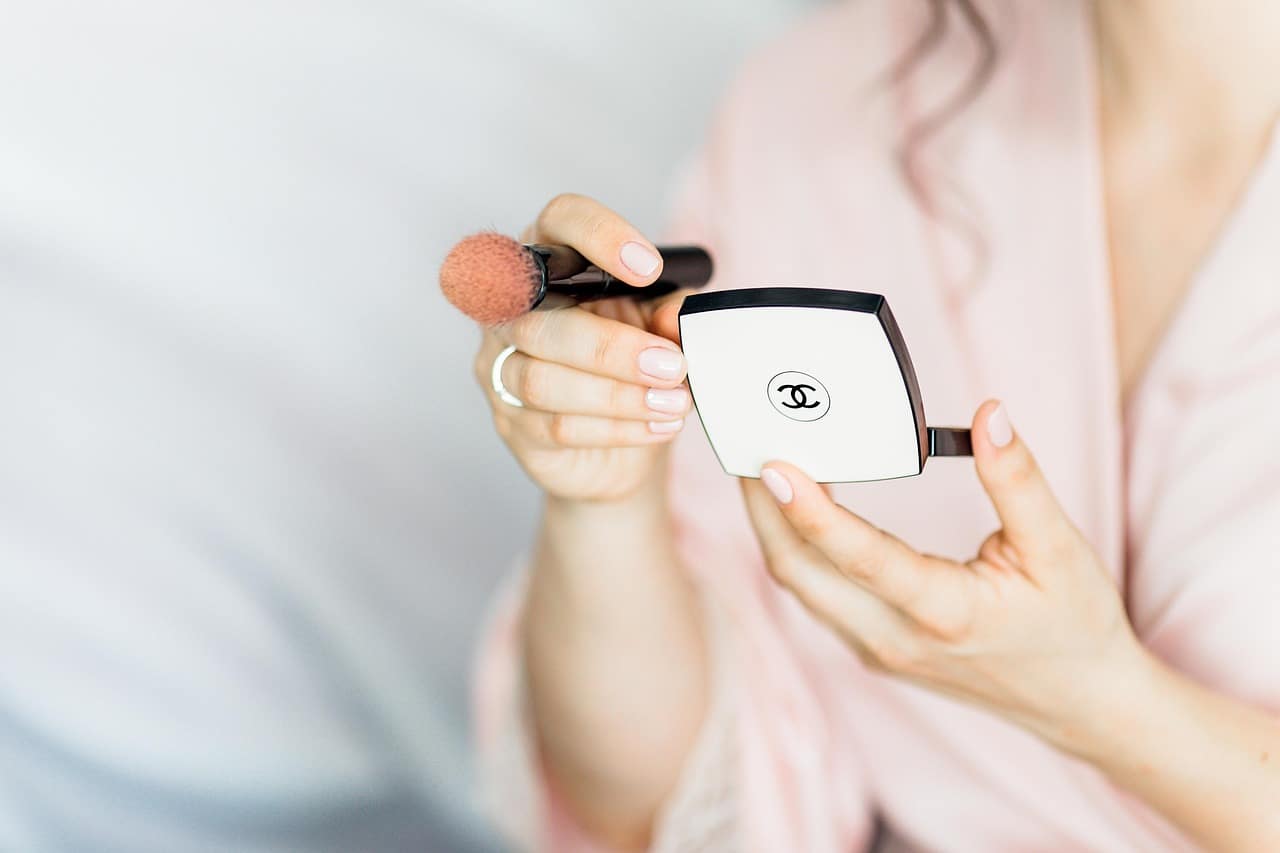
Curating an effective makeup collection doesn’t require purchasing every trending product. Start with versatile basics: foundation matching your skin, neutral eyeshadow palette, black mascara, everyday blush and bronzer, and versatile lip colors. These staples create countless looks while you develop preferences.
Add specialized items gradually based on actual use rather than impulse. If you rarely wear bold lips, invest in quality basics instead of extensive lipstick collections. Purchase quality tools before expanding product varieties—excellent brushes make inexpensive products perform better than poor tools with luxury cosmetics.
Organize your collection logically, keeping daily essentials accessible and special-occasion items separate. Regularly audit products, discarding expired items and donating unused products to prevent overwhelming clutter that complicates daily routines.
Learning makeup transforms from overwhelming challenge to enjoyable creative practice with proper guidance and consistent experimentation. These incredible techniques empower you to enhance natural beauty, express personality, and approach each day with renewed confidence. Remember that mastery develops gradually through patient practice—every expert started exactly where you are now, learning one technique at a time and building skills through dedicated effort and curiosity.
