
Anúncios
Have you ever wondered where your surname originated, who your ancestors were, or what stories are hidden in your family tree? Discovering your ancestry can unlock fascinating insights about your heritage and identity.



In today’s digital age, exploring your family history has never been easier or more accessible. Thanks to advanced DNA testing, online archives, and genealogical databases, millions of people worldwide are uncovering remarkable connections to their past. Whether you’re curious about your ethnic origins, searching for long-lost relatives, or simply want to understand the journey your ancestors took, the tools available today offer unprecedented access to your heritage.
Anúncios
This comprehensive guide will walk you through everything you need to know about discovering your ancestral roots, understanding the significance of your surname, tracing your family lineage, and connecting with relatives you never knew existed. Let’s embark on this fascinating journey together! 🌍
🧬 Why Discovering Your Ancestry Matters
Understanding where you come from provides more than just interesting facts for family gatherings. Your ancestry shapes your identity, influences your health predispositions, and connects you to a larger human story spanning generations.
Anúncios
Many people report feeling a profound sense of belonging after discovering their roots. Learning that your great-great-grandfather emigrated from Ireland during the famine, or that your family name was changed at Ellis Island, adds depth and context to your personal narrative.
Beyond emotional fulfillment, ancestry research has practical applications. Medical professionals increasingly recognize the importance of family health history in diagnosing genetic conditions and assessing disease risk. Knowing your ethnic background can provide valuable insights into potential health concerns that run in specific populations.
📜 The Fascinating Story Behind Your Surname
Your surname carries centuries of history. Most family names originated during the Middle Ages when populations grew and communities needed ways to distinguish between people with the same first name.
Surnames typically fall into four main categories:
- Patronymic names: Derived from a father’s first name (Johnson means “son of John,” O’Brien means “descendant of Brien”)
- Occupational names: Based on professions (Smith, Baker, Carpenter, Fisher)
- Geographical names: Indicating place of origin (Hill, Brooks, London, Rivers)
- Descriptive names: Referring to physical characteristics or personality traits (Brown, Armstrong, Young)
Understanding your surname’s origin provides clues about what your ancestors did for a living, where they lived, or what characteristics defined them. A name like “Cooper” suggests barrel-making ancestors, while “Churchill” points to someone who lived near a church on a hill.
🔍 How to Start Your Ancestry Research Journey
Beginning your genealogical research might seem overwhelming, but breaking it into manageable steps makes the process enjoyable and rewarding.
Start With What You Know
Begin by documenting information about your immediate family. Gather names, birth dates, marriage dates, and locations for your parents, grandparents, and great-grandparents if possible. Old family documents, birth certificates, marriage licenses, and photographs are invaluable starting points.
Interview older relatives while you still can. They hold precious memories, stories, and details that may not exist in any written record. Record these conversations and ask specific questions about names, places, occupations, and family traditions.
Organize Your Findings
Create a systematic approach to storing information. Whether you use specialized genealogy software, spreadsheets, or online platforms, consistency in documentation prevents confusion as your family tree grows more complex.
Include source citations for every piece of information. This practice ensures reliability and helps other family members verify and build upon your research in the future.

🧪 DNA Testing: Unlocking Your Genetic Heritage
DNA testing has revolutionized genealogical research, providing scientific insights that traditional paper trails cannot offer. These tests analyze your genetic markers to reveal ethnic composition, trace maternal and paternal lineages, and identify genetic relatives.
Types of DNA Tests Available
Three main types of DNA tests serve different genealogical purposes:
- Autosomal DNA tests: Examine chromosomes inherited from both parents, revealing ethnic percentages and identifying relatives within approximately five to seven generations
- Y-DNA tests: Trace the direct paternal line (father’s father’s father), available only for males
- Mitochondrial DNA (mtDNA) tests: Follow the direct maternal line (mother’s mother’s mother), available for both males and females
Most popular consumer DNA tests use autosomal analysis, providing the broadest overview of your ancestry. Results typically show percentage breakdowns of your ethnic composition across various regions worldwide.
Understanding Your DNA Results
When you receive your DNA results, you’ll see ethnicity estimates broken down by region and percentage. These estimates become more refined as reference databases expand and algorithms improve.
Beyond ethnicity, DNA testing connects you with genetic relatives. Most services provide match lists showing people who share DNA segments with you, indicating varying degrees of relationship from close family to distant cousins.
These connections can break through genealogical brick walls, helping you discover branches of your family tree that traditional research couldn’t reveal. Many people have found biological parents, siblings, or cousins through DNA matching features. ✨
📚 Essential Online Resources for Family Research
The internet has democratized genealogical research, making records that once required traveling to distant archives accessible from your home.
Genealogy Databases and Websites
Major genealogy platforms host billions of historical records, including census data, birth and death certificates, immigration records, military service documents, and newspaper archives. These searchable databases allow you to trace ancestors across continents and centuries.
Many platforms offer family tree building tools that automatically suggest records matching your ancestors. Smart hinting technology compares your tree with others, potentially revealing connections you hadn’t discovered independently.
Government and Historical Archives
National archives, library collections, and historical societies increasingly digitize their holdings. Census records, land deeds, court documents, and vital records provide official documentation of your ancestors’ lives.
Immigration records prove particularly valuable for those whose families emigrated to new countries. Passenger lists, naturalization papers, and border crossing documents detail the journeys that brought families to their current homes.
🌳 Building Your Family Tree Effectively
Constructing an accurate, comprehensive family tree requires patience, attention to detail, and critical thinking skills.
Verify Every Detail
Accept nothing at face value. Cross-reference information across multiple sources before adding it to your tree. Common names, similar dates, and geographical proximity can lead to mistaken identities that propagate errors through your research.
Be especially cautious when copying information from other family trees online. While these can provide helpful hints, they often contain unverified or incorrect information. Always seek primary sources to confirm details.
Work Backwards Methodically
Start with yourself and work backward one generation at a time. Attempting to jump too far back too quickly leads to mistakes and frustration. Thoroughly documenting each generation before moving to the next ensures a solid foundation.
Focus on direct lines initially before exploring collateral relatives. Once you’ve traced your parents, grandparents, and great-grandparents, you can branch out to aunts, uncles, and cousins.
🗺️ Tracing Migration Patterns and Origins
Understanding migration patterns helps contextualize your ancestors’ decisions and experiences. Wars, famines, religious persecution, economic opportunities, and natural disasters prompted massive population movements throughout history.
The Great Famine in Ireland, the Highland Clearances in Scotland, the Potato Famine in Europe, and political upheavals across the globe sent millions seeking better lives elsewhere. Your ancestors’ migrations tell powerful stories of survival, courage, and hope.
Maps and geographical knowledge enhance your research. Knowing that a village in your ancestor’s homeland flooded, burned, or was destroyed in war explains why records might be scarce. Understanding administrative boundary changes helps locate records in the correct archives.
💡 Overcoming Common Research Challenges
Every genealogist encounters obstacles. Name changes, lost records, language barriers, and false trails frustrate even experienced researchers.
Dealing With Name Variations
Names were often spelled phonetically, especially among illiterate populations relying on record keepers to document information. The same person might appear as “Smith,” “Smythe,” or “Smyth” in different records.
Immigrants frequently anglicized names or had them changed by officials. German “Schmidt” became “Smith,” Italian “Russo” became “Russo,” and complex surnames were simplified for pronunciation ease.
Finding Records in Foreign Languages
If your ancestors emigrated from non-English-speaking countries, you’ll encounter records in other languages. Online translation tools help, but learning key genealogical terms in relevant languages proves invaluable.
Many genealogy communities include members fluent in various languages willing to help translate documents. Don’t let language barriers stop your research—reach out for assistance.
👨👩👧👦 Connecting With Living Relatives
One of the most rewarding aspects of ancestry research is connecting with living relatives who share your heritage.
DNA matching features on testing platforms regularly unite people with cousins they never knew existed. These connections often lead to shared photographs, documents, and family stories that enrich everyone’s understanding.
Approach newly discovered relatives respectfully and patiently. Some may enthusiastically embrace genealogical research, while others might need time to process unexpected discoveries. Sensitive family situations, including adoptions or family secrets, require particular care and discretion.
Building relationships with distant cousins expands your research network. Different family branches preserve different information, photographs, and documents. Collaboration often solves mysteries that stumped individual researchers for years. 🤝
🏛️ Preserving Your Family History for Future Generations
Your research creates a legacy for descendants who will appreciate understanding their roots. Document your findings thoroughly and make them accessible to family members.
Create both digital and physical copies of important documents. Technology changes rapidly, so maintaining multiple formats ensures long-term preservation. Print photo books, write family narratives, and compile documents into organized collections.
Share your research with family members while explaining the stories behind the names and dates. Dry genealogical facts come alive when contextualized with historical events, personal characteristics, and family traditions.
🎯 Taking Your Research to the Next Level
As your skills develop, you might explore advanced genealogical techniques. Genetic genealogy uses DNA analysis to solve complex puzzles, particularly helpful for adoptees or those with unknown parentage.
Specialized research into specific record types—probate records, land deeds, church records, newspaper archives—reveals details about ancestors’ lives beyond basic vital statistics. These documents show property ownership, disputes, community involvement, and daily life.
Consider joining genealogical societies, attending conferences, or taking courses to enhance your research skills. The genealogical community is welcoming and supportive, with experienced researchers eager to help newcomers navigate challenges.
🌟 The Personal Impact of Discovering Your Roots
Beyond the facts and dates, ancestry research profoundly affects how people view themselves and their place in the world. Discovering that you descend from Holocaust survivors, enslaved people who overcame unimaginable hardships, pioneering settlers, or royalty changes your perspective on your own life journey.
Understanding the challenges your ancestors overcame often provides inspiration during difficult times. Their resilience, courage, and determination flow through your veins, reminding you of the strength you inherited.
Many people report increased empathy and global awareness after discovering diverse ethnic heritage. Learning that your DNA connects you to multiple continents breaks down perceived barriers between cultures and peoples.
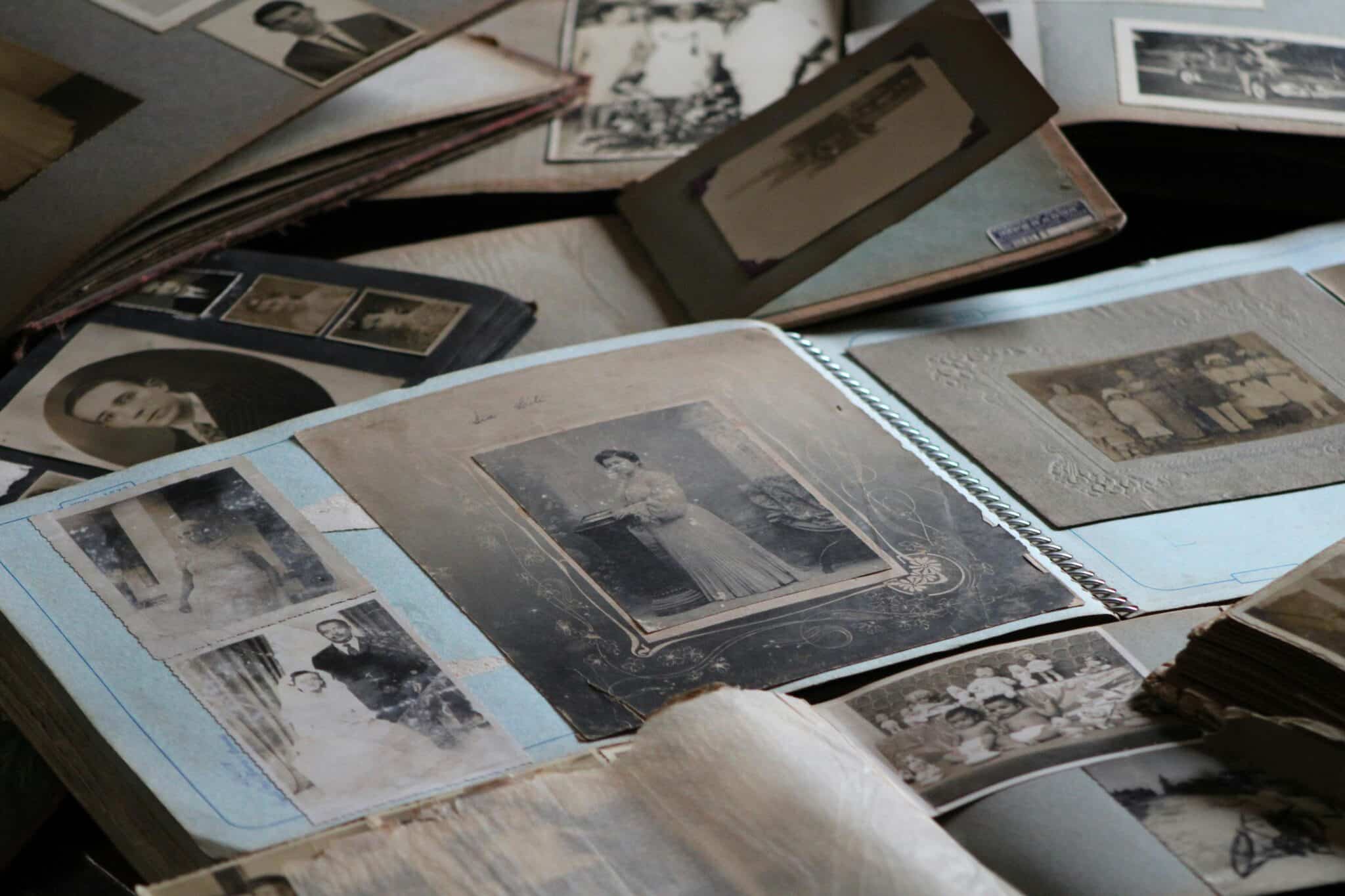
✨ Your Ancestral Journey Begins Now
Embarking on your ancestry discovery journey opens doors to fascinating stories, unexpected connections, and a deeper understanding of who you are. Every surname has a story, every family tree contains heroes and survivors, and every person carries a unique genetic heritage connecting them to the broader human family.
Whether you’re motivated by curiosity, seeking medical information, hoping to connect with relatives, or simply want to honor those who came before, the tools and resources available today make this the perfect time to explore your roots.
Start small, stay organized, verify your sources, and enjoy the journey. Each discovery, no matter how minor it seems, adds another piece to the puzzle of your heritage. Your ancestors lived, loved, struggled, and triumphed so that you could exist today. Discovering their stories honors their memory and enriches your present.
The path to understanding your ancestry is not always straightforward, but it’s always worthwhile. Embrace the challenges, celebrate the discoveries, and treasure the connections you make along the way. Your family story deserves to be told, preserved, and passed forward to future generations who will someday continue the journey you’re beginning today. 🌺
