
Anúncios
Zumba has revolutionized home workouts by combining dance, fitness, and fun into one energizing experience that requires nothing more than your favorite music and a willingness to move.

Imagine transforming your living room into a vibrant dance studio where calorie-burning meets pure entertainment. That’s exactly what Zumba at home offers—a chance to break free from monotonous workout routines while building strength, improving cardiovascular health, and lifting your spirits all at once.
Anúncios
Whether you’re a seasoned dancer or someone who’s never taken a formal class, Zumba welcomes everyone with open arms. The beauty lies in its accessibility: no expensive gym memberships, no commute time, and complete freedom to dance on your own schedule. Let’s explore how you can embrace this dynamic fitness phenomenon from the comfort of your home.
💃 Why Zumba Stands Out Among Home Workouts
Traditional exercises often feel like chores—repetitive movements that drain motivation rather than build it. Zumba flips this narrative entirely by disguising intense physical activity as a celebration. Each session feels less like exercise and more like a party where you happen to burn hundreds of calories.
Anúncios
The secret ingredient is music. Latin rhythms like salsa, merengue, reggaeton, and cumbia create an infectious energy that makes time fly. Before you know it, you’ve completed a full-body workout without watching the clock or counting down the minutes. Your brain releases endorphins not just from the movement but from the sheer joy of dancing.
Another remarkable aspect is the low-impact nature combined with high-energy results. Unlike running or jumping exercises that stress joints, Zumba’s flowing movements protect your body while still delivering cardiovascular benefits. This makes it ideal for people of all ages and fitness levels, from teenagers to seniors looking to stay active.
🏡 Setting Up Your Perfect Home Zumba Space
Creating an effective workout environment doesn’t require elaborate equipment or massive square footage. A small clearing in your living room, bedroom, or even garage can become your personal dance studio. The key is removing obstacles that might limit your movement or cause accidents during enthusiastic routines.
Start by pushing furniture to the sides, creating a space roughly six feet by six feet—enough room to move laterally and forward without restrictions. If you have hardwood or tile floors, they’re ideal for sliding and pivoting. Carpet works too, though you might want to wear supportive sneakers for better traction.
Lighting matters more than you might think. Bright, energizing light helps maintain enthusiasm and prevents eye strain if you’re following video instructions. Natural daylight works beautifully, but if you’re dancing in the evening, consider adding extra lamps or LED strips to boost the ambiance.
Essential Equipment for Home Zumba Sessions
The minimal equipment requirement is one of Zumba’s greatest advantages. Here’s what you actually need:
- Comfortable athletic shoes: Cross-training sneakers with lateral support protect your ankles during side-to-side movements
- Breathable clothing: Moisture-wicking fabrics keep you comfortable as you work up a sweat
- Water bottle: Hydration is critical during any cardio workout
- Speaker or headphones: Quality sound enhances the experience dramatically
- Smartphone or tablet: For accessing Zumba apps, videos, or online classes
- Exercise mat (optional): Useful for cooldown stretches after dancing
Notice what’s missing from this list: expensive machines, weights, or specialized equipment. This accessibility removes financial barriers that prevent many people from starting fitness journeys. Your investment goes into the experience, not the gear.
📱 Digital Resources That Bring Zumba Home
Technology has democratized fitness instruction, and Zumba is no exception. Multiple platforms now offer structured classes that rival in-person studio experiences. The official Zumba app stands at the forefront, providing professionally choreographed routines led by certified instructors who guide you through every step.
These apps typically feature various class lengths—from quick 15-minute sessions perfect for busy mornings to intensive 60-minute workouts for when you’re ready to go all-in. Many include difficulty levels ranging from beginner-friendly introductions to advanced choreography that challenges even experienced dancers.

Beyond dedicated apps, YouTube hosts thousands of free Zumba videos ranging from single-song routines to full-length classes. Channels run by certified instructors maintain high production quality and clear instruction, making them excellent resources for those testing the waters before committing to subscriptions.
Streaming services have also entered the fitness space, with platforms offering Zumba alongside other workout styles. This variety lets you mix up your routine—perhaps Zumba three days a week with yoga or strength training filling other days, all without leaving your home or juggling multiple memberships.
Choosing the Right Zumba Style for Your Goals
Not all Zumba classes follow the same formula. Understanding different variations helps you select sessions aligned with your objectives:
- Zumba Fitness: The classic format blending various Latin dance styles with interval training
- Zumba Toning: Incorporates lightweight maraca-like toning sticks to add resistance training
- Aqua Zumba: Pool-based version offering low-impact, high-resistance workouts
- Zumba Gold: Modified for older adults or those needing gentler movements
- Strong Nation: High-intensity interval training synced to music beats
- Zumba Kids: Simplified routines designed for children’s energy levels
Most home practitioners start with standard Zumba Fitness classes, which provide the full experience without requiring special equipment or environments. As you build confidence and endurance, exploring variations keeps your routine fresh and targets different fitness aspects.
🔥 The Science Behind Zumba’s Effectiveness
Skeptics sometimes dismiss dance-based workouts as less effective than traditional gym exercises, but research tells a different story. Studies show that a single hour-long Zumba session can burn between 400 to 600 calories depending on intensity and individual body composition—comparable to running or cycling.
The cardiovascular benefits extend beyond simple calorie expenditure. Zumba’s interval nature—alternating between high-energy sequences and moderate-paced movements—trains your heart to efficiently handle varying demands. This mirrors high-intensity interval training (HIIT) protocols that have proven extremely effective for improving cardiovascular health and metabolic function.
Muscle engagement happens differently than in weight training but remains substantial. The varied movements recruit multiple muscle groups simultaneously: legs power through lunges and squats, core muscles stabilize during hip rotations, arms work during upper-body choreography, and even smaller stabilizer muscles engage to maintain balance during quick direction changes.
Mental Health Benefits That Go Beyond Physical Fitness
The psychological advantages of Zumba deserve equal attention to the physical ones. Dance inherently connects mind and body, requiring focus and coordination that pull your attention into the present moment—essentially creating a moving meditation that combats stress and anxiety.
Music’s impact on mood is well-documented, and Zumba leverages this powerfully. The upbeat rhythms trigger dopamine release, the brain’s “feel-good” chemical, while the accomplishment of learning new moves builds confidence and self-efficacy. Many practitioners report that Zumba sessions improve their mood for hours afterward, creating a natural buffer against daily stressors.
Social connection, even in virtual formats, adds another layer of benefit. Following along with an instructor creates a sense of community and shared experience. Some apps include features that let you connect with other users, share achievements, or participate in challenges—extending the social aspect into your home practice.
⏰ Creating a Sustainable Home Zumba Routine
Enthusiasm alone won’t maintain a long-term fitness practice. Structure and realistic expectations form the foundation of habits that stick. Start by committing to specific days and times rather than vague intentions like “I’ll do Zumba when I have time.” Schedule sessions as non-negotiable appointments with yourself.
Beginners should aim for three sessions weekly, allowing rest days for recovery. Each session can range from 20 to 45 minutes depending on your current fitness level. Consistency matters more than duration—three regular 25-minute sessions will yield better results than sporadic hour-long attempts that leave you exhausted and unmotivated.
Track your progress in ways that maintain motivation. This might include noting how many sessions you complete monthly, which routines you’ve mastered, or how your endurance improves. Some people enjoy fitness journals while others prefer app tracking features. Find what resonates with you and use it to celebrate milestones.
Overcoming Common Obstacles to Home Practice
Every home exerciser faces challenges that threaten consistency. Recognizing these patterns helps you develop countermeasures before they derail your routine:
- Distraction from household tasks: Treat workout time as sacred, using it as a break from responsibilities rather than procrastinating them
- Self-consciousness about neighbors hearing: Remember that most people appreciate hearing signs of active, healthy living; alternatively, schedule sessions when neighbors are typically away
- Boredom with repeated routines: Rotate between different instructors, music genres, and class lengths to maintain novelty
- Energy fluctuations: Keep both high-intensity and gentler routines available, matching workout to energy level rather than forcing intense sessions when depleted
- Loss of motivation: Set monthly mini-goals unrelated to weight, like learning a specific dance style or completing a certain number of sessions
The flexibility of home practice becomes an advantage when you approach it strategically. Can’t complete a full session? Do half and count it as success rather than failure. Not feeling a particular routine? Switch to something different. This adaptability prevents the all-or-nothing thinking that sabotages many fitness efforts.
🎵 Music Selection and Its Impact on Your Experience
While structured classes provide curated playlists, creating your own music library for freestyle Zumba sessions personalizes the experience. The ideal Zumba music maintains a tempo between 130-170 beats per minute—fast enough to elevate heart rate without being impossible to follow.
Variety in musical styles prevents monotony and works different movement patterns. Traditional Latin genres like salsa, bachata, and cumbia form the foundation, but contemporary Zumba incorporates Bollywood, hip-hop, pop, reggae, and even EDM. This fusion approach keeps routines dynamic and introduces you to global music traditions.
Pay attention to song structure when building playlists. Effective workout music features clear rhythm sections and energy buildups that naturally guide intensity changes. Many streaming platforms offer pre-made Zumba playlists curated by instructors, providing excellent starting points before you develop your own preferences.
👨👩👧👦 Making Zumba a Family Activity
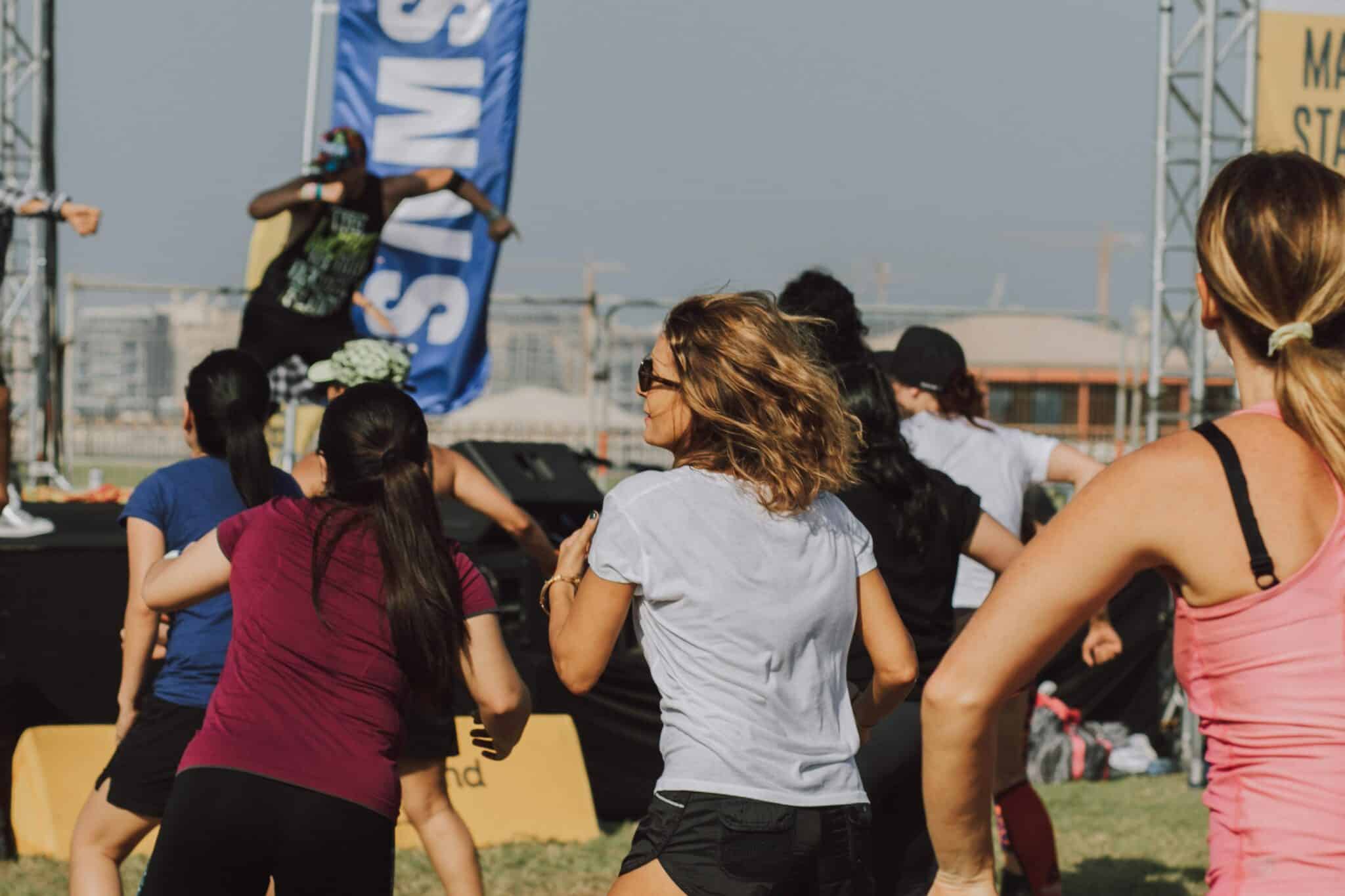
One unexpected benefit of home Zumba is the opportunity to involve family members in fitness. Children naturally love dancing, and Zumba’s playful nature appeals to their energy levels. Family sessions create positive associations with physical activity while providing quality time that doesn’t revolve around screens.
Simplified choreography makes it easy for different skill levels to participate simultaneously. Adults can follow the full routine while children do modified versions, everyone moving to the same music and sharing the same space. This inclusive approach teaches kids that exercise can be enjoyable rather than punishment or obligation.
Partners who exercise together often maintain consistency better than solo practitioners. Having a workout buddy—even one you live with—creates mutual accountability and turns sessions into shared experiences rather than isolated tasks. Many couples report that dancing together strengthens their relationship through playful physical connection.
Adapting Zumba for Different Age Groups
The beauty of Zumba lies in its scalability. Grandparents can modify movements to match their mobility while still participating in family sessions. Young children can freestyle their interpretation of the choreography. Teenagers might engage more intensely, treating it as serious athletic training. Everyone benefits at their own level.
For older adults concerned about balance or joint issues, holding onto a chair back while dancing provides stability without eliminating the cardiovascular benefits. Reducing jump heights, taking smaller steps, and focusing on upper-body movements allows participation without risk. The music and rhythm remain consistent across all modification levels.
📈 Measuring Progress Beyond the Scale
Weight loss often motivates people to start exercise programs, but fixating solely on pounds can undermine long-term success. Zumba delivers numerous benefits that scales don’t measure but significantly impact quality of life. Recognizing these victories maintains motivation even during weight plateaus.
Improved endurance shows up in daily activities—climbing stairs without breathlessness, playing with children without exhaustion, completing household tasks with energy to spare. Increased flexibility makes reaching, bending, and moving through space easier. Enhanced coordination reduces clumsy moments and builds body confidence.
Mental and emotional changes matter just as much. Notice improvements in sleep quality, mood stability, stress management, and overall outlook. Many Zumba practitioners report feeling more confident, energetic, and positive about life in general—benefits no scale could ever display but that profoundly affect wellbeing.
Setting Meaningful Fitness Milestones
Goal-setting in Zumba can focus on skill development rather than just physical changes:
- Master a specific dance style or routine completely
- Complete a month without missing scheduled sessions
- Progress from beginner to intermediate class levels
- Dance continuously for longer periods without breaks
- Learn choreography quickly enough to follow along without constant instruction
- Introduce a friend or family member to Zumba
These process-oriented goals keep you engaged with the journey rather than fixated on destinations. Each milestone builds competence and confidence, creating sustainable motivation that outlasts the initial excitement of starting something new.
🌟 Embracing Imperfection in Your Dance Journey
Perhaps the most important lesson for home Zumba practitioners is this: you don’t need to be a good dancer to benefit from Zumba. The point isn’t perfect execution of choreography—it’s moving your body consistently and joyfully. Instructors themselves often emphasize that getting the exact steps matters far less than maintaining movement and having fun.
Home practice offers a judgment-free zone where mistakes don’t matter. Stumble through a complicated sequence? No one sees. Can’t keep up with the instructor’s pace? Slow it down or freestyle. This freedom from self-consciousness allows you to focus on how movement feels rather than how it looks, which is precisely where fitness joy lives.
Over time, coordination naturally improves through repetition. What felt impossible during week one becomes manageable by week four and easy by week twelve. This progress happens almost unconsciously as your brain and body learn to communicate more efficiently. Trust the process and celebrate small improvements rather than comparing yourself to experienced dancers.
💪 Long-Term Health Benefits of Regular Zumba Practice
Consistency in any exercise program delivers compounding health benefits that extend far beyond immediate fitness gains. Regular Zumba participation contributes to long-term cardiovascular health, reducing risks of heart disease, stroke, and hypertension. The sustained aerobic activity strengthens your heart muscle and improves circulation throughout your body.
Bone density, particularly important as we age, benefits from the impact and weight-bearing nature of dance movements. While gentler than high-impact exercises like running, Zumba still provides enough stimulus to maintain and potentially improve bone strength, offering protection against osteoporosis and fractures later in life.
Cognitive benefits emerge from the learning and memory demands of choreography. Research suggests that dance-based exercises may help maintain brain health and potentially reduce dementia risk. The combination of physical movement, musical processing, and pattern memory creates a comprehensive brain workout alongside the physical one.
🎯 Your Invitation to Start Dancing Today
The barrier to beginning your Zumba journey has never been lower. No gym commute, no membership fees, no judgment from strangers, no complicated equipment—just you, some space, and music that makes you want to move. Every expert dancer started as a beginner who felt awkward and unsure. The difference between them and people who never discover this joy is simply that they started.
Your first session doesn’t need to be perfect or even complete. Put on a Zumba video, follow along for five minutes, and see how it feels. That’s the only commitment required—just try it once. Most people find that those five minutes stretch into ten, then fifteen, then suddenly they’ve completed a full session without noticing time pass.
Zumba offers something rare in modern life: an activity that simultaneously improves physical health, mental wellbeing, and brings genuine joy. It transforms exercise from obligation into celebration, from punishment into play. Your living room can become a space of transformation where stress melts away, energy builds, and you reconnect with the simple pleasure of moving your body to infectious rhythms.
The music is waiting. Your body is ready. The only question remaining is: when will you press play and start your own home Zumba adventure? The answer that changes everything is simply “right now.” 💃🎶
