
Anúncios
Crochet is a timeless craft that combines creativity, relaxation, and practicality. Learning this art form has never been easier, thanks to free resources and simple techniques that anyone can master from the comfort of home.



Whether you’re looking for a new hobby, seeking a mindful activity to reduce stress, or wanting to create beautiful handmade items for yourself and loved ones, crochet offers endless possibilities. The rhythmic motion of the hook through yarn creates a meditative experience that occupies your mind in the most positive way.
Anúncios
Best of all, you don’t need expensive classes or complicated instructions to get started. With free tutorials available online and a few basic supplies, you’ll be creating your first project sooner than you think. Let’s explore how you can begin this rewarding journey today. 🧶
Why Learning Crochet Is Worth Your Time
Crochet isn’t just about making scarves and blankets—it’s a skill that brings multiple benefits to your life. When you learn to crochet, you’re investing in your mental wellness, creativity, and even your social connections.
Anúncios
Studies have shown that repetitive crafts like crochet can reduce anxiety and depression symptoms by triggering the release of dopamine, the brain’s natural antidepressant. The focused attention required helps quiet racing thoughts and brings you into the present moment, similar to meditation.
Beyond mental health benefits, crochet gives you the ability to create personalized gifts that carry genuine sentiment. A handmade baby blanket, a cozy winter hat, or decorative home items become treasured keepsakes that store-bought items simply can’t match.
The craft also connects you with a global community of makers. Online forums, social media groups, and local crochet circles provide friendship, inspiration, and support as you develop your skills.
Getting Started: Essential Supplies You’ll Need 🪡
One of crochet’s greatest advantages is its minimal startup cost. Unlike many hobbies that require significant investment, you can begin with just a few affordable items.
Your basic toolkit includes:
- Crochet hooks: Start with a medium-sized hook (5mm or H/8) which works well with most beginner yarns
- Yarn: Choose a smooth, light-colored worsted weight yarn that makes stitches easy to see
- Scissors: Any sharp pair will work for cutting yarn
- Yarn needle: For weaving in ends when you finish projects
- Stitch markers: Helpful but optional for keeping track of your progress
Avoid the temptation to buy specialty yarns or complicated patterns initially. Stick with simple, affordable materials until you’ve mastered the basics. Many beginners make the mistake of purchasing expensive supplies only to feel discouraged if their first attempts don’t turn out perfectly.
Most craft stores offer starter kits that include everything you need for your first project. These typically cost less than purchasing items individually and often include basic instructions.

Mastering the Fundamental Stitches
Every crochet project, no matter how complex it appears, builds on just a handful of basic stitches. Once you learn these foundational techniques, you’ll have the skills to tackle countless patterns.
The Chain Stitch: Your Foundation
The chain stitch is where every crocheter begins. This simple technique creates the foundation row for most projects. Think of it as the base upon which you’ll build everything else.
To create a chain stitch, you’ll make a slip knot on your hook, then repeatedly pull loops of yarn through the loop on your hook. The resulting chain looks like a series of connected links—hence the name.
Practice creating even, consistent chains without making them too tight or too loose. This consistency becomes easier with repetition, so don’t worry if your first attempts look uneven.
Single Crochet: The Building Block
Single crochet is the most basic stitch used in actual fabric creation. It produces a tight, dense fabric perfect for items that need structure, like bags or sturdy blankets.
This stitch involves inserting your hook into a chain or previous stitch, pulling up a loop, then pulling through both loops on your hook. The motion becomes automatic with practice, allowing you to work while watching television or chatting with friends.
Double Crochet: Faster Progress ✨
Double crochet stitches are taller than single crochet, meaning your projects grow faster. They create a more open, flexible fabric that works beautifully for shawls, lightweight blankets, and garments.
The technique adds one extra step—wrapping the yarn over your hook before inserting it into the stitch. This creates additional height and a slightly different texture.
Many beginners prefer double crochet once they master it because projects progress more quickly, providing faster gratification and motivation to continue.
Where to Find Free Crochet Lessons
The internet has revolutionized how people learn crafts like crochet. You no longer need to pay for expensive classes or rely solely on confusing written patterns. Numerous free resources offer clear, step-by-step instruction.
YouTube: Your Visual Guide
YouTube hosts thousands of free crochet tutorials ranging from absolute beginner lessons to advanced techniques. The ability to pause, rewind, and watch in slow motion makes video instruction particularly effective for visual learners.
Search for channels that specialize in beginner content. Look for instructors who work slowly, use clear camera angles, and explain each step thoroughly. Many successful crochet YouTubers offer complete series that take you from your first chain to finished projects.
Mobile Apps: Learning in Your Pocket 📱
Dedicated crochet apps provide structured learning paths with the convenience of mobile access. These apps often include video tutorials, written patterns, progress tracking, and community features where you can ask questions and share your work.
The advantage of apps is their organized approach—they guide you through skills in logical progression rather than leaving you to figure out what to learn next. Many also work offline, perfect for practicing during commutes or in locations without internet access.
Online Communities and Forums
Websites like Ravelry, Reddit’s crochet communities, and Facebook groups connect millions of crocheters worldwide. These platforms offer more than just patterns—they provide support, troubleshooting help, and inspiration when you hit obstacles.
Don’t hesitate to ask questions in these communities. Experienced crocheters remember being beginners and generally love helping newcomers succeed. A quick question about why your stitches are twisting or how to read a particular pattern abbreviation usually receives multiple helpful responses within hours.
Your First Simple Projects to Build Confidence 🎯
Choosing the right first project significantly impacts whether you’ll stick with crochet or abandon it in frustration. Start with items that teach skills without overwhelming you with complexity.
The Classic Dishcloth
Dishcloths make perfect first projects because they’re small, useful, and forgiving of mistakes. You’ll practice creating even tension and consistent stitches without committing to a lengthy project.
A basic square dishcloth using single crochet stitches can be completed in an evening. Once finished, you’ll have a practical item for your kitchen and the confidence to tackle something slightly more challenging.
Simple Scarves
Scarves represent the quintessential beginner project—they’re essentially long rectangles that don’t require shaping or complicated stitch patterns. Choose a stitch you’re comfortable with and simply work until the scarf reaches your desired length.
The repetitive nature of scarf-making allows your hands to internalize the movements while you enjoy the meditative quality of the craft. Many crocheters report that scarves became their go-to project for stress relief.
Granny Squares: Portable and Versatile
Granny squares are small, independent units that can be joined together to create larger items like blankets, bags, or garments. Each square is a quick project, providing frequent satisfaction as you complete one after another.
These squares also let you experiment with color combinations and practice joining techniques. If you make a mistake, you’ve only affected one small square rather than an entire project.
How Crochet Occupies Your Mind Positively 🧠
In our constantly connected world filled with notifications, emails, and endless scrolling, finding activities that engage our minds constructively has become increasingly important. Crochet offers a productive escape that exercises your brain in beneficial ways.
The craft requires spatial reasoning as you visualize how stitches connect to form fabric. You’re constantly counting, following patterns, and making decisions about color and design—all cognitive activities that keep your mind sharp.
Unlike passive activities like watching television, crochet gives your hands something to do while allowing your mind to process thoughts, work through problems, or simply relax. Many people find they think more clearly while their hands are busy with yarn and hook.
For those dealing with anxiety, the rhythmic, repetitive motions provide a healthy focus for nervous energy. Instead of fidgeting or ruminating on worries, you channel that energy into creating something beautiful and functional.
Research on “flow states”—that feeling of being completely absorbed in an activity—shows that crafts like crochet reliably produce this beneficial mental condition. When you’re in flow, time passes quickly, stress decreases, and satisfaction increases.
Overcoming Common Beginner Challenges
Every crocheter encounters obstacles when learning. Understanding that these challenges are normal—and temporary—helps you push through frustration to reach competence.
Tension Issues
Beginners often crochet too tightly, making it difficult to insert the hook into stitches. Others work too loosely, creating sloppy, uneven fabric. Both problems resolve with practice as your hands learn the right amount of tension naturally.
If you’re struggling with tension, try consciously relaxing your shoulders and grip. Many beginners don’t realize they’re clutching the hook in a death grip until someone points it out. Hold your tools gently, as if you’re holding something delicate.
Counting Stitches
Losing track of stitch counts frustrates nearly everyone at first. Your project gradually becomes wider or narrower as you accidentally add or skip stitches without noticing.
The solution is simple: count your stitches at the end of each row until you develop the ability to recognize correct counts by sight. Use stitch markers to mark important points like the beginning of rows or specific stitch counts.
Reading Patterns 📖
Crochet patterns use abbreviations and specialized terminology that looks like a foreign language initially. Terms like “sc2tog,” “ch-sp,” and “fptr” seem incomprehensible until you learn the system.
Start with patterns written for beginners that include full explanations alongside abbreviations. Keep an abbreviation reference guide handy—many free printable versions exist online. With exposure, the language becomes second nature.
Making Crochet a Regular Practice
Like any skill, crochet improves dramatically with consistent practice. Building the habit ensures steady progress and maximizes the mental health benefits.
Set realistic goals based on your schedule. Even fifteen minutes daily produces better results than irregular marathon sessions. Keep a small project near your favorite relaxation spot—whether that’s your living room couch, bedside table, or commuter bag.
Many crocheters establish routines around their practice. Morning coffee and twenty minutes of crochet becomes a peaceful way to start the day. Others wind down before bed with their hooks and yarn, finding the activity helps them transition from the day’s stress to restful sleep.
Track your progress by photographing finished projects or keeping a crochet journal. Looking back at your first wobbly attempts compared to current work provides powerful motivation and proof of your improvement.
Joining the Crochet Community 💬
While crochet can be a solitary activity, connecting with fellow crafters enriches the experience significantly. The crochet community is known for being welcoming, supportive, and generous with knowledge.
Look for local crochet groups that meet in libraries, coffee shops, or craft stores. These gatherings offer in-person help when you’re stuck, plus the social connection that benefits mental health as much as the crafting itself.
Online communities provide connection regardless of your location or schedule. Share your projects, ask for advice, participate in crochet-alongs (where groups work on the same pattern simultaneously), and celebrate others’ successes.
Many crocheters find purpose in charity work, creating items for premature babies, cancer patients, homeless shelters, or animal rescues. These projects add meaning to your practice while helping others—a powerful combination for life satisfaction.
Growing Beyond the Basics 🌱
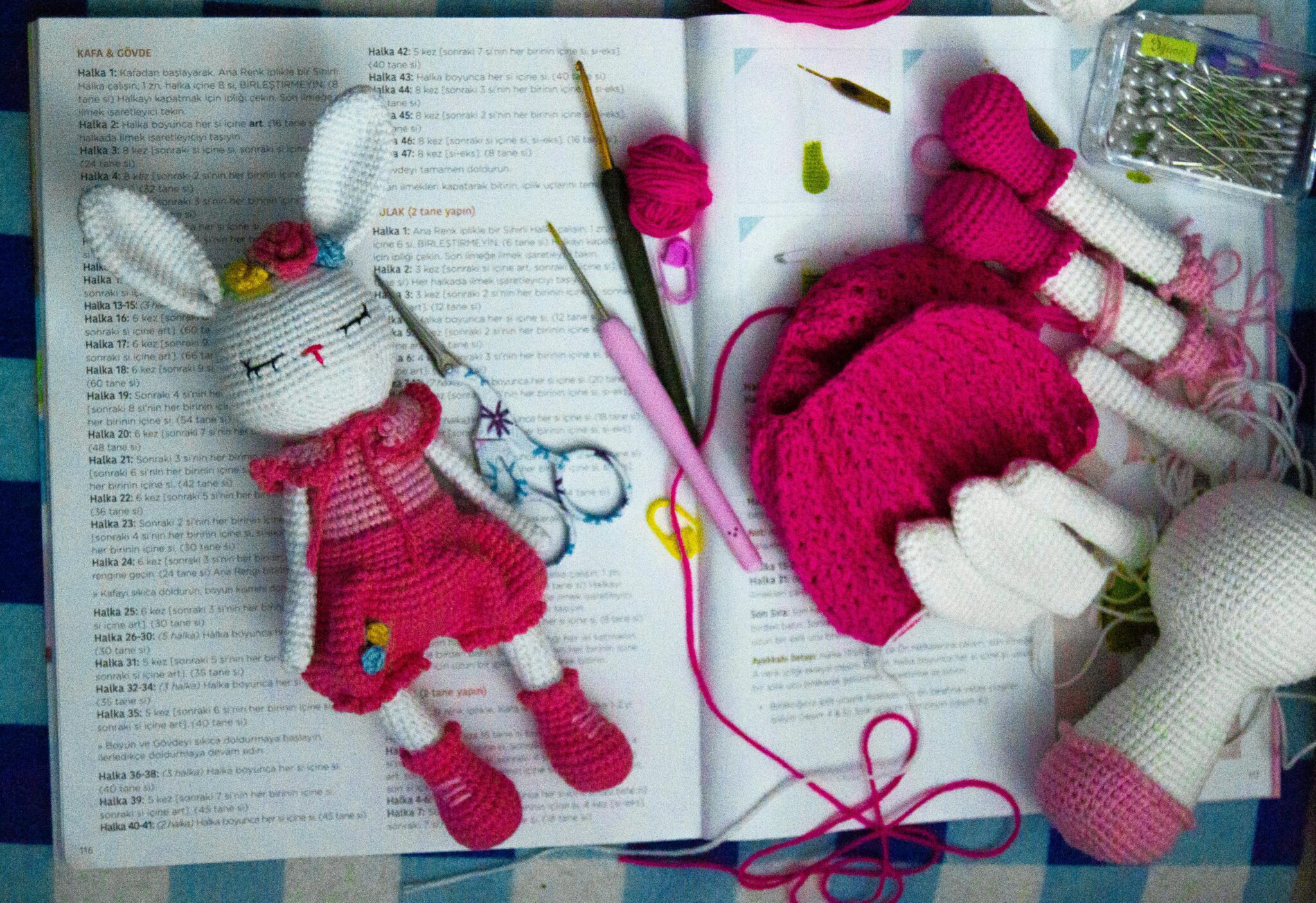
Once you’ve mastered fundamental stitches and completed several projects, the crochet world opens up with exciting possibilities. You might explore garment making, creating intricate lace doilies, designing amigurumi (adorable stuffed creatures), or inventing your own patterns.
Advanced techniques like Tunisian crochet, tapestry crochet, or thread work with fine materials provide endless learning opportunities. The craft offers lifetime learning potential—you’ll never run out of new skills to master or patterns to try.
Some crocheters turn their hobby into income, selling finished items at craft fairs, through online marketplaces, or taking commissions from friends and family. Others teach classes, write patterns, or create content helping the next generation of beginners.
Whatever direction your crochet journey takes, the foundation remains the same: simple stitches, accessible materials, and the therapeutic rhythm of hook through yarn creating something from nothing.
Transform Your Free Time Into Creative Time
Learning crochet gives you a productive, satisfying way to occupy your mind during downtime that might otherwise be spent mindlessly scrolling through social media or watching television you won’t remember.
The craft requires just enough attention to keep you engaged without demanding such intense focus that you can’t simultaneously listen to audiobooks, podcasts, or enjoy conversation. This makes it perfect for multitasking in the best sense—you’re relaxing and creating at the same time.
Starting your crochet journey costs little, requires no previous experience, and opens doors to creativity, community, and mental wellness. With free lessons readily available through apps, videos, and online communities, there’s never been a better time to pick up a hook and begin.
Your first chain stitch might feel awkward. Your initial projects might have mistakes. But with each row you complete, your skills grow, your confidence builds, and you’ll discover why millions of people worldwide have fallen in love with this ancient, accessible, endlessly rewarding craft. The only thing standing between you and your first finished project is getting started—so grab some yarn and a hook, and begin your crochet story today. ✨🧶
