
Anúncios
# HTML Article: Songs That Shaped Eras—Relive the Greatest Memories of Your Life Through These Timeless Tracks



Music has the extraordinary power to transport us back in time, awakening emotions and memories we thought were forgotten forever.
Anúncios
Whether it’s the song that played during your first dance, the anthem of your teenage rebellion, or the melody that accompanied a road trip with friends, certain tracks become the soundtrack of our lives. These songs don’t just play in the background—they define moments, capture feelings, and preserve experiences in a way nothing else can.
Throughout the decades, music has evolved dramatically, yet the emotional connection remains constant. From the golden age of rock and roll to the birth of hip-hop, from disco fever to grunge rebellion, each era has produced songs that became more than just hits—they became cultural milestones. Let’s embark on a nostalgic journey through the music that shaped generations and continues to evoke powerful memories today.
Anúncios
🎸 The Revolutionary Sounds of the 1960s
The 1960s witnessed a musical revolution that changed the world forever. The Beatles arrived from Liverpool and transformed popular music with their innovative songwriting and studio experimentation. “Hey Jude” became an anthem of hope and comfort, while “Let It Be” offered solace during turbulent times.
Bob Dylan’s protest songs gave voice to a generation questioning authority and demanding change. “Blowin’ in the Wind” and “The Times They Are A-Changin'” became rallying cries for civil rights and anti-war movements. These weren’t just songs—they were statements that challenged the status quo.
The British Invasion brought The Rolling Stones, The Who, and The Kinks, each adding their unique flavor to the rock and roll recipe. Meanwhile, Motown was creating its own magic with artists like The Supremes, Marvin Gaye, and Stevie Wonder, whose soulful melodies crossed racial boundaries and united audiences.
Psychedelic Journeys and Summer of Love 🌸
As the decade progressed, music became increasingly experimental. The Beach Boys’ “Good Vibrations” and The Beatles’ “Strawberry Fields Forever” pushed the boundaries of what popular music could be. Jimi Hendrix revolutionized guitar playing, while Janis Joplin’s raw, emotional performances left audiences breathless.
Woodstock in 1969 became the defining moment of the era, where half a million people gathered for three days of peace, love, and music. Songs performed there, like “The Star-Spangled Banner” by Hendrix and “With a Little Help from My Friends” by Joe Cocker, remain iconic to this day.
✨ The Disco Fever and Soul of the 1970s
The 1970s brought diversity and experimentation. Disco dominated dance floors worldwide, with the Bee Gees’ “Stayin’ Alive” becoming synonymous with the era. Studio 54 in New York became the epicenter of glamour and nightlife, where Donna Summer, Gloria Gaynor, and Chic created the soundtrack to countless nights of dancing.
But the ’70s were much more than disco balls and platform shoes. Led Zeppelin, Pink Floyd, and Queen pushed rock music into epic, theatrical territory. “Stairway to Heaven,” “Bohemian Rhapsody,” and “Comfortably Numb” became timeless classics that transcended their era.
Singer-songwriters like Carole King, James Taylor, and Joni Mitchell brought introspection and poetic lyricism to the forefront. Their deeply personal songs resonated with listeners seeking authenticity and emotional depth.
Punk Rock’s Raw Energy ⚡
Towards the end of the decade, punk rock exploded as a reaction against the perceived excesses of mainstream music. The Ramones, Sex Pistols, and The Clash brought raw energy, political anger, and DIY ethics. Their influence would echo through decades of alternative music to come.

🎹 The Synthesized Sounds of the 1980s
The 1980s embraced technology wholeheartedly. Synthesizers, drum machines, and MTV revolutionized how music was created and consumed. Michael Jackson’s “Thriller” became the best-selling album of all time, and its groundbreaking music video transformed the medium into an art form.
Madonna emerged as the Queen of Pop, constantly reinventing herself and pushing boundaries with songs like “Like a Virgin” and “Material Girl.” Prince blended funk, rock, and pop into an intoxicating mix, while his performances redefined stage presence and showmanship.
New Wave and synth-pop bands like Depeche Mode, Duran Duran, and The Cure created atmospheric, electronic soundscapes that captured the decade’s aesthetic. Their music videos, with their striking visuals and fashion statements, became as important as the songs themselves.
Hair Metal and Power Ballads 🎤
Rock music embraced spectacle and excess. Bands like Bon Jovi, Def Leppard, and Guns N’ Roses dominated stadiums with their anthemic songs and larger-than-life performances. Power ballads like “Every Rose Has Its Thorn” and “Home Sweet Home” became staples of school dances and romantic moments.
Hip-hop was growing from underground roots into a cultural force. Run-DMC, Public Enemy, and N.W.A. brought raw street poetry and social commentary to mainstream attention, laying the foundation for rap’s dominance in decades to come.
🎧 The Alternative Revolution of the 1990s
Nirvana’s “Smells Like Teen Spirit” in 1991 marked a seismic shift in popular music. Grunge emerged from Seattle, bringing authenticity, angst, and flannel shirts to the mainstream. Pearl Jam, Soundgarden, and Alice in Chains gave voice to Generation X’s disillusionment and searching.
The decade was remarkably diverse. While grunge dominated rock, R&B experienced a golden age with artists like Mariah Carey, Whitney Houston, and Boyz II Men creating smooth, romantic anthems. “I Will Always Love You” became one of the most powerful love songs ever recorded.
Britpop offered a British response to American grunge, with Oasis and Blur engaging in a highly publicized rivalry that captivated music fans. “Wonderwall” became an anthem sung by millions around campfires and at parties worldwide.
Hip-Hop’s Golden Era 🎵
The ’90s are often considered hip-hop’s golden age. Tupac and The Notorious B.I.G. brought storytelling and poetry to rap, while Dr. Dre and Snoop Dogg popularized West Coast G-funk. Jay-Z, Nas, and Wu-Tang Clan showcased the genre’s lyrical depth and artistic potential.
Electronic dance music was also evolving. Rave culture introduced techno, house, and trance to mainstream audiences. The Chemical Brothers, The Prodigy, and Daft Punk created pulsating, hypnotic tracks that packed dance floors and festivals.
🌟 The Digital Age of the 2000s and Beyond
The new millennium brought radical changes to how we consume music. The iPod, iTunes, and eventually streaming services transformed music from physical objects into digital experiences. This democratization allowed greater diversity and niche genres to find audiences.
Eminem became the best-selling artist of the decade with his controversial, technically brilliant rap. His songs tackled personal demons, social issues, and celebrity culture with unflinching honesty. “Lose Yourself” became an motivational anthem for anyone facing challenges.
Pop music reached new heights of production polish and catchiness. Beyoncé evolved from Destiny’s Child member to global superstar, creating empowering anthems like “Single Ladies” and “Crazy in Love.” Lady Gaga brought avant-garde fashion and theatricality back to pop with “Bad Romance” and “Poker Face.”
Indie Rock and Alternative Voices 🎸
Indie rock flourished in the 2000s and 2010s. Bands like Arcade Fire, The Strokes, and Arctic Monkeys proved that guitar-based music still had plenty to say. Their songs combined literary lyrics with innovative arrangements, attracting audiences hungry for substance and authenticity.
Country music crossed over into pop with artists like Taylor Swift, who began as a teenage country singer before becoming one of the biggest pop stars on the planet. Her songwriting, which chronicles relationships and personal growth, resonated with millions of fans worldwide.
💫 Why These Songs Continue to Matter
Music from past decades doesn’t simply fade away—it continues to live through covers, samples, and cultural references. Modern artists constantly draw inspiration from classic songs, ensuring their relevance for new generations. When Drake samples “Hotline Bling” or when a movie soundtrack features a ’80s synth-pop classic, those older songs find new life and audiences.
The emotional connection we have with certain songs transcends time. Hearing a particular track can instantly transport you back to a specific moment—your first kiss, a summer vacation, a difficult goodbye, or a triumphant achievement. This is music’s magic: it becomes intertwined with our personal narratives.
Neuroscience has shown that music activates multiple areas of the brain simultaneously, creating strong memory associations. When we hear a song from our formative years, it doesn’t just remind us of that time—it can actually make us feel the emotions we experienced then.
Creating Your Personal Soundtrack 🎶
Everyone has their own musical journey, filled with songs that mark important chapters. Perhaps it’s the lullaby your parent sang to you, the song that played at your wedding, or the track that helped you through heartbreak. These personal soundtracks are as unique as fingerprints.
Creating playlists of meaningful songs can be therapeutic and nostalgic. Many people organize their music chronologically, creating “life soundtracks” that tell their story through songs. Others group them by emotion or event—songs for road trips, workout motivation, or quiet reflection.
🎼 The Universal Language of Music
One of music’s most beautiful qualities is its ability to transcend language, culture, and geography. A song recorded in one country can touch hearts on the opposite side of the planet. The Beatles were from Liverpool, but their music resonated in Tokyo, São Paulo, and Nairobi.
Live music experiences create particularly powerful memories. Whether it’s a massive festival, an intimate club show, or a stadium concert, sharing music with others creates communal memories. The energy of a crowd singing along to a beloved song creates a connection that’s hard to replicate in any other context.
Music festivals like Coachella, Glastonbury, and Lollapalooza have become pilgrimage sites for music lovers, where multiple generations gather to experience both current artists and legendary performers. These events create new memories while celebrating musical history.
The Soundtrack of Future Memories 🌈
Today’s music will become tomorrow’s nostalgia. Current hits by artists like Billie Eilish, The Weeknd, and Olivia Rodrigo are creating memories for young listeners just as powerfully as classic songs did for previous generations. In twenty years, these songs will trigger their own waves of nostalgia.
The way we discover and share music continues to evolve. Social media platforms like TikTok have created new pathways for songs to find audiences, sometimes reviving older tracks decades after their release. Fleetwood Mac’s “Dreams” experienced a resurgence in 2020, introducing the 1977 classic to Gen Z listeners.
🎺 Preserving Musical Memories
In our digital age, preserving and accessing musical memories has never been easier. Streaming services allow us to carry thousands of songs in our pockets, creating instant access to our entire musical history. Curated playlists help us rediscover forgotten favorites and share our musical tastes with others.
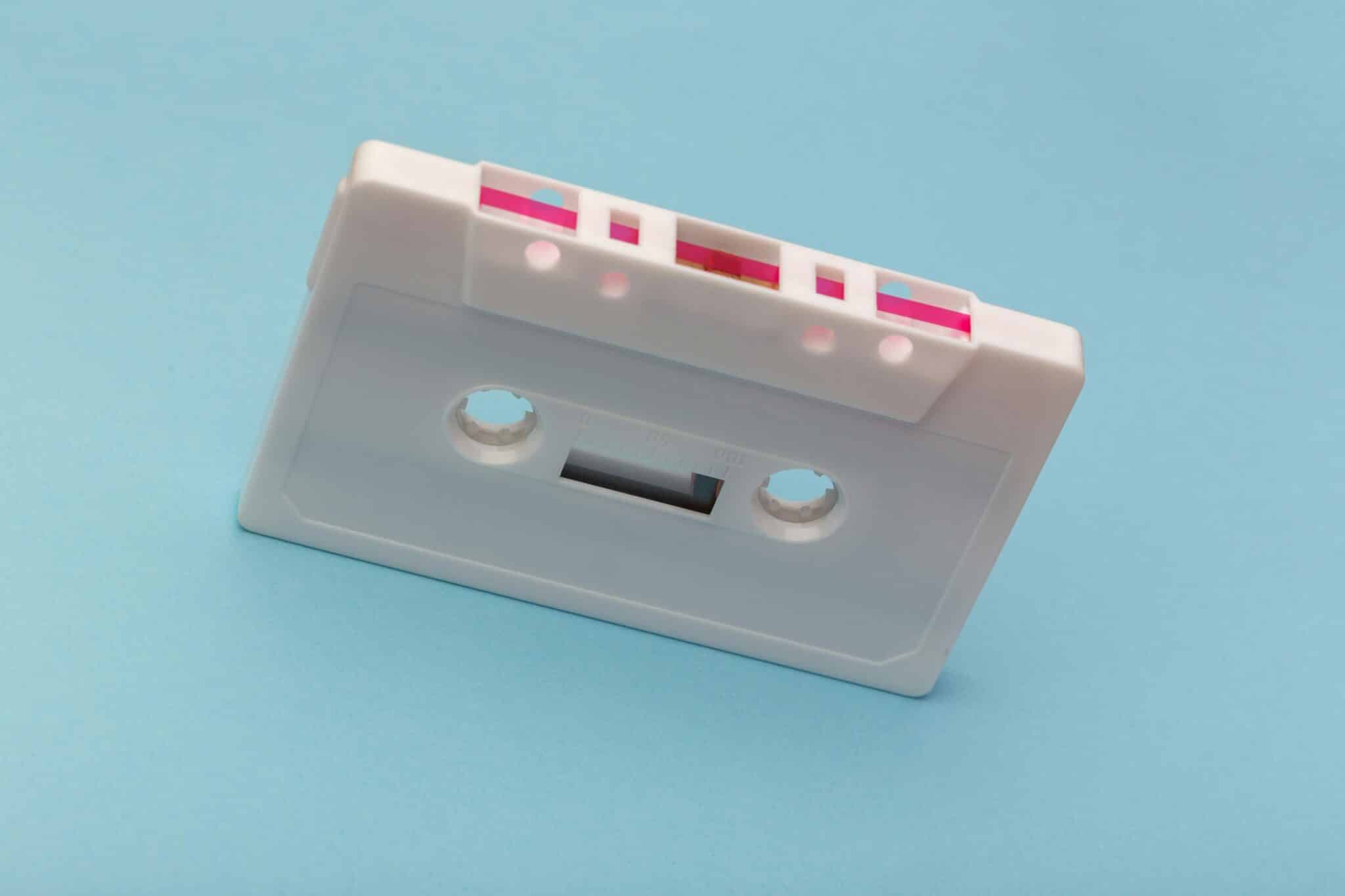
Vinyl records have experienced a surprising resurgence, with collectors and new fans appreciating the tactile experience and warm sound quality. Owning physical music creates a different relationship with songs—more intentional, more ceremonial, and often more memorable.
Music documentaries and biopics help preserve the stories behind iconic songs and artists. Films like “Bohemian Rhapsody,” “Rocketman,” and “Walk the Line” introduce classic artists to new audiences while giving longtime fans deeper insight into their creative processes and personal struggles.
🎉 Celebrating Musical Moments
The beauty of music lies not just in the songs themselves, but in the moments they create and preserve. Every generation has its anthems, its protest songs, its love ballads, and its dance floor fillers. These songs become time capsules, containing the hopes, fears, joys, and struggles of their eras.
Whether you’re a child of the ’60s who remembers Beatlemania, a teenager of the ’80s who danced to Madonna, a ’90s grunge kid who found solace in Nirvana, or a digital native discovering music through algorithms and playlists, your musical memories are valid and valuable. They’re part of your story, markers along your personal timeline.
Music will continue to evolve, incorporating new technologies and reflecting changing societies. But its fundamental purpose remains unchanged: to express emotion, tell stories, bring people together, and create memories that last a lifetime. The next time you hear a song that transports you back in time, don’t fight the feeling—embrace it, share it, and celebrate the incredible power of music to connect us with our past while enriching our present.
So dust off those old records, create that nostalgic playlist, or explore the classics you might have missed. Let the music play, close your eyes, and allow yourself to be transported back to the moments that shaped you. Because in the end, life isn’t measured in years alone—it’s measured in the songs that made those years meaningful, the melodies that accompanied our triumphs and failures, and the rhythms that kept us moving forward, one beat at a time.
