
Anúncios
# HTML Article: Surname, Ancestry, Heritage & DNA Apps

Discovering your roots has never been easier. With ancestry and DNA apps, you can unlock your family history, explore your heritage, and connect with relatives around the world—all from your smartphone. 📱
Anúncios
The quest to understand where we come from is deeply human. For centuries, people have traced their lineage through oral traditions, handwritten records, and dusty archives. Today, technology has transformed this journey into an accessible, engaging experience that fits in your pocket.
Whether you’re curious about your surname’s origins, eager to build a family tree, or ready to explore your genetic makeup, ancestry apps offer powerful tools that combine genealogical research with cutting-edge DNA science. These platforms have democratized family history research, making it possible for anyone to become their own family historian.
Anúncios
🧬 Understanding DNA and Ancestry Testing
DNA testing has revolutionized how we understand our heritage. These tests analyze specific markers in your genetic code to reveal ethnic origins, migration patterns, and biological connections to others who’ve taken similar tests.
Most ancestry apps partner with leading DNA testing companies or offer their own kits. You simply provide a saliva sample, mail it to a lab, and within weeks receive detailed results about your genetic ancestry. The science examines autosomal DNA (inherited from both parents), Y-DNA (patrilineal line), and mitochondrial DNA (matrilineal line).
What makes these tests remarkable is their ability to connect you with living relatives. The databases contain millions of profiles, and sophisticated algorithms identify genetic matches—from close cousins to distant relatives you never knew existed. This DNA matching feature has reunited adoptees with birth families, helped people discover unknown siblings, and expanded family trees in unexpected ways.


📜 The Power of Surname Research
Your surname carries stories spanning centuries. Ancestry apps provide specialized tools for surname research, revealing the geographic origins, historical meanings, and evolution of family names over time.
Many surnames originated from occupations (Smith, Baker, Carpenter), locations (Hill, Rivers, London), personal characteristics (Long, Brown, Young), or patronymic traditions (Johnson, O’Brien, Fernandez). Understanding your surname’s etymology offers insights into what your ancestors did, where they lived, and how they were identified in their communities.
Advanced surname databases cross-reference historical records, immigration documents, and census data to map how your family name spread geographically. You might discover that your surname was common in a specific village in Italy, or that it changed spelling when ancestors immigrated to America. These details add color and context to your family narrative.
🌳 Building Your Family Tree Digitally
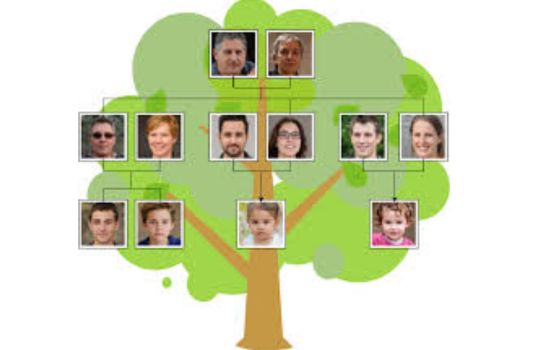
Creating a family tree used to require notebooks, filing cabinets, and countless hours in libraries. Modern apps have streamlined this process dramatically, offering intuitive interfaces where you can add relatives, attach documents, and visualize generations at a glance.
The best ancestry apps use smart hints and record matching to suggest potential ancestors based on information you’ve already entered. If you input your grandmother’s name and birthdate, the app searches billions of historical records for matching documents—birth certificates, marriage licenses, military records, passenger lists, and more.
Collaboration features allow family members to contribute to shared trees, preserving collective memory and preventing duplicate research. You can add photos, stories, and audio recordings that bring ancestors to life beyond dates and names. These digital trees become living documents that grow richer with each generation’s contributions.

🗺️ Tracing Migration and Heritage Patterns
One of the most fascinating features in ancestry apps is the ability to trace your ancestors’ migration journeys. Interactive maps show how your family moved across continents, fleeing hardship, seeking opportunity, or following trade routes.
DNA ethnicity estimates break down your genetic heritage into percentages representing different global regions. You might discover you’re 40% Irish, 25% Nigerian, 20% Indigenous American, and 15% Korean—a testament to humanity’s interconnected history. These percentages connect to historical migration waves, colonial periods, and ancient population movements.
Understanding your heritage goes beyond percentages. Many apps provide historical context about the regions in your genetic makeup, explaining cultural traditions, historical events, and social conditions your ancestors experienced. This educational component transforms raw data into meaningful stories about resilience, adaptation, and survival.
👥 Connecting with Living Relatives
Perhaps the most emotionally powerful feature of ancestry apps is DNA matching, which identifies living people who share segments of your DNA. These matches range from immediate family to distant cousins many generations removed.
The apps calculate relationship probabilities based on shared DNA amounts. Close matches (sharing 25% or more DNA) are typically grandparents, aunts, uncles, or half-siblings. More distant matches might share a common ancestor from five or more generations back. Each match represents a potential connection to expand your family network.
Many users report profound experiences connecting with DNA matches. Adoptees have found biological parents, people have discovered entire branches of family they didn’t know existed, and distant cousins have collaborated to break through genealogical brick walls. The messaging features within apps facilitate these conversations, allowing you to share trees, compare notes, and solve family mysteries together.
📱 Top Features to Look for in Ancestry Apps
Not all ancestry apps are created equal. When choosing a platform for your genealogical journey, consider these essential features:
- Database size: Larger databases mean more potential matches and historical records
- Record variety: Look for access to birth, death, marriage, census, military, and immigration records
- DNA testing options: Some apps include DNA kits; others allow you to upload results from third-party tests
- User interface: Intuitive design makes research enjoyable rather than frustrating
- Mobile functionality: Robust apps let you research on-the-go, not just on desktop computers
- Collaboration tools: Features for sharing trees and communicating with relatives
- Privacy controls: Options to control who sees your information and DNA results
- Educational resources: Tutorials, webinars, and guides for effective research
- International coverage: Global record collections if your ancestors came from various countries
- Smart hints: Algorithmic suggestions for potential ancestors and records
🔍 Historical Records at Your Fingertips
The digitization of historical records represents one of humanity’s most ambitious archival projects. Ancestry apps provide access to billions of documents that were previously accessible only to researchers willing to travel to archives and courthouses worldwide.
These records include census enumerations that capture family snapshots every decade, immigration passenger lists documenting arrivals at Ellis Island and other ports, military service records honoring those who served, vital records marking births, marriages, and deaths, and even newspaper archives containing obituaries, wedding announcements, and mentions of everyday people.
Advanced search functions let you filter by name, location, date range, and record type. Optical character recognition (OCR) technology makes handwritten documents searchable, though human verification remains important since historical handwriting can be challenging to interpret. When you find a relevant record, you can attach it to your family tree, creating a documented, sourced genealogy rather than unsupported speculation.
🧩 Solving Family Mysteries and Breaking Through Walls
Every family researcher eventually encounters a “brick wall”—an ancestor about whom information seems impossible to find. Ancestry apps provide tools specifically designed to overcome these obstacles.
DNA testing often provides breakthrough clues. By identifying genetic matches who share the mysterious ancestor, you can work backward from known information to fill gaps. Shared matches (people who match both you and another match) create triangulation opportunities that pinpoint common ancestors.
Record hints continuously search expanding databases, so a document unavailable last year might surface today. Community forums connect you with experienced researchers who might recognize surnames, locations, or historical situations relevant to your search. Some apps even employ professional genealogists who can tackle particularly stubborn research challenges for a fee.
🌍 Understanding Your Ethnic and Cultural Identity
Ethnicity estimates provided by DNA tests offer a scientific perspective on identity that complements cultural and social understandings of heritage. These percentages reflect ancient ancestry—where your DNA indicates your ancestors lived hundreds or thousands of years ago.
It’s important to understand that ethnicity estimates are exactly that—estimates based on reference populations and statistical models. Different companies may provide slightly different results because they use different reference groups and algorithms. These estimates typically update as companies refine their models and expand their databases.
Beyond percentages, many apps provide information about genetic communities—groups of people who share DNA patterns suggesting a common ancestral origin in a specific location. You might belong to a genetic community like “Irish Travelers” or “Jewish Pale of Settlement,” connecting you to specific historical populations with shared experiences and traditions.
🛡️ Privacy Considerations and Data Security
Entrusting a company with your genetic information and family details requires careful consideration of privacy implications. Reputable ancestry apps implement robust security measures, but users should understand what they’re sharing.
Read privacy policies carefully to understand how your DNA data will be used, stored, and potentially shared. Most platforms allow you to control visibility—making your profile completely private, visible only to matches, or public. You can typically opt in or out of research participation, where anonymized data contributes to scientific studies.
Consider potential implications beyond genealogy. While ancestry companies state they won’t share identifying information with law enforcement without valid legal process, your DNA data creates a permanent biological identifier. Family members might also be affected, as your DNA reveals information about shared relatives.
Download your raw DNA data to maintain personal control and the option to analyze it through other services. Most platforms allow this, providing a text file with your genetic markers that you own independently of the testing company.
💡 Tips for Successful Genealogical Research
Maximizing your ancestry app experience requires strategy and patience. These practical tips will help you build a more accurate, comprehensive family tree:
- Start with what you know: Begin with yourself and work backward, verifying each generation before moving to the next
- Interview older relatives: Record their memories, stories, and knowledge before it’s lost
- Document everything: Attach sources to every fact in your tree for credibility and future reference
- Be skeptical of unsourced trees: Other users’ trees can provide clues but may contain errors
- Consider historical context: Understand the time periods and locations where ancestors lived
- Learn naming patterns: Many cultures followed specific traditions that provide research clues
- Explore collateral lines: Researching siblings and cousins often reveals information about direct ancestors
- Use multiple record types: Cross-reference different documents to verify information
- Join surname projects: Connect with others researching the same family names
- Be patient: Genealogy is a marathon, not a sprint; enjoy the journey of discovery
📊 Comparing Popular Ancestry Platforms
While individual needs vary, understanding the strengths of different platforms helps you choose the right tools for your research goals. Here’s what distinguishes major ancestry apps:
| Platform | Best For | Key Strength |
|---|---|---|
| Ancestry | Comprehensive research | Largest record collection and DNA database |
| FamilySearch | Budget-conscious researchers | Completely free with extensive records |
| MyHeritage | International families | Strong European and global record coverage |
| 23andMe | Health and ancestry | Combines genetic health reports with ancestry |
| Findmypast | British and Irish heritage | Specialized UK and Ireland records |
🎯 The Future of Ancestry and DNA Research
Technology continues to expand what’s possible in genealogical research. Artificial intelligence increasingly powers record matching, handwriting recognition, and relationship prediction. Machine learning algorithms will become more sophisticated at identifying patterns humans might miss.
DNA testing technology advances rapidly, with newer tests providing more detailed ethnicity breakdowns, identifying traits influenced by genetics, and potentially revealing health predispositions alongside ancestry. The growing databases mean better matches and more precise relationship predictions as millions more people test their DNA.
Virtual and augmented reality may soon allow you to “visit” ancestral villages, visualizing historical settings where your family lived. Blockchain technology might provide secure, decentralized storage for genealogical records, ensuring preservation and accessibility for future generations.
As international records continue being digitized and made accessible, researching ancestors from anywhere in the world becomes increasingly feasible. Language barriers diminish as translation technology improves, opening previously inaccessible records to non-native speakers.
🌟 Preserving Your Discoveries for Future Generations
Your research creates a legacy that extends beyond yourself. Taking steps to preserve and share what you’ve learned ensures future family members benefit from your work.
Create physical and digital backups of your tree and research materials. Print photo books, compile family history documents, and save multiple copies in different locations. Consider creating a family website or blog where you share stories, photos, and discoveries in an accessible format.
Contribute information to collaborative platforms so other researchers benefit. Upload photos to cemetery memorial sites, transcribe records for digitization projects, and share your expertise in genealogy forums. The genealogical community thrives on reciprocal sharing.
Teach younger family members about their heritage. Involve children and grandchildren in research, making it a shared family activity that builds connections across generations. The stories you uncover become part of their identity, grounding them in a historical narrative that extends far beyond their individual lives.
✨ Beginning Your Ancestry Journey Today
The path to discovering your roots starts with a single step. Download an ancestry app, create your profile, and begin adding what you know about your immediate family. Each name you enter opens doors to potential discoveries—records waiting to be found, relatives eager to connect, and stories ready to be uncovered.
Your heritage is a treasure waiting to be explored. The tools have never been more powerful, the records more accessible, or the community more supportive. Whether you’re searching for a specific ancestor, curious about your ethnic background, or simply want to preserve family memories, ancestry apps provide the technology to make it happen.
Every family has remarkable stories. Ordinary people who lived through extraordinary times, made difficult choices, showed courage in hardship, and created the path that led to you. These stories deserve to be remembered, celebrated, and passed forward. Your genealogical journey honors those who came before while creating a legacy for those who follow.
Start exploring today, and you might be surprised by what you discover—not just about where you came from, but about who you are. 🌿
