
Anúncios
Old photographs hold irreplaceable memories, but time often fades their beauty. Fortunately, modern technology offers powerful solutions to bring these treasures back to life.

The emotional value of vintage family photos cannot be overstated. These images connect us to our heritage, preserving moments from generations past. However, physical photographs deteriorate over time—colors fade, edges tear, and stains appear. This natural aging process once seemed irreversible, leaving precious memories in jeopardy.
Anúncios
Today’s photo restoration apps leverage artificial intelligence to reverse decades of damage in minutes. What once required expensive professional services and weeks of manual retouching can now happen on your smartphone. These applications analyze damaged areas, intelligently fill in missing details, enhance clarity, and even colorize black-and-white images with remarkable accuracy.
🖼️ Why Your Old Photos Deserve Digital Restoration
Physical photographs face numerous threats throughout their existence. Sunlight exposure causes fading, humidity creates stains and warping, improper storage leads to creasing, and simple handling over the years results in fingerprints and tears. Each of these factors gradually erodes the quality of images that might be the only visual record of important family moments.
Anúncios
Beyond preservation, restoration breathes new life into historical images. Imagine seeing your grandparents’ wedding photo in vibrant color for the first time, or viewing a crystal-clear version of a faded childhood picture. These restored images create stronger emotional connections across generations, making history feel immediate and personal rather than distant and abstract.
Digital restoration also enables easy sharing and reproduction. Once you’ve restored a photo, you can print multiple copies, share them with family members worldwide, create photo books, or incorporate them into digital family trees. The restored version becomes a master copy that won’t degrade further, safeguarding those memories indefinitely.


🤖 How AI Technology Powers Modern Photo Restoration
Artificial intelligence has revolutionized photo restoration by learning from millions of image examples. These systems understand how photographs typically degrade and develop sophisticated algorithms to reverse specific types of damage. The technology identifies patterns in deterioration and applies contextually appropriate corrections.
Machine learning models excel at several restoration tasks simultaneously. They remove scratches and stains by analyzing surrounding pixels and intelligently filling damaged areas. Noise reduction algorithms eliminate the graininess common in old photos. Sharpening features recover lost detail, while colorization models add realistic hues to black-and-white images based on contextual understanding.
The most impressive aspect of AI restoration is its speed and accessibility. Tasks that would take skilled technicians hours to complete manually now happen automatically in seconds. The technology continues improving as algorithms learn from more data, meaning restoration quality constantly advances without requiring user expertise.
🎨 Colorization: Bringing Black-and-White Photos to Life
Colorization represents one of the most dramatic transformations AI can perform. Modern algorithms don’t simply apply random colors—they analyze the content of images to make educated decisions. Skin tones, sky colors, vegetation, and common objects receive contextually appropriate hues that look natural rather than artificial.
The technology considers historical context as well. Colorization models trained on period-appropriate color palettes can distinguish between photographs from different eras, applying colors that match the actual tones available in clothing, cars, and environments from specific time periods.
📱 Key Features to Look for in Restoration Apps
Not all photo restoration applications offer the same capabilities. Understanding essential features helps you choose the right tool for your needs and ensures the best possible results for your precious memories.
Automatic enhancement should be a foundational feature. The best apps analyze photos and apply appropriate corrections without requiring technical knowledge. One-tap restoration makes the technology accessible to everyone, regardless of their familiarity with photo editing concepts.
Manual control options provide flexibility for users who want fine-tuned results. Adjustable parameters for contrast, brightness, sharpness, and color saturation allow customization beyond automatic processing. The ability to selectively apply corrections to specific areas offers even greater precision.
- Scratch and stain removal: Intelligent algorithms that detect and eliminate physical damage marks
- Color restoration: Tools that revive faded colors in aged color photographs
- Face enhancement: Specialized processing that improves clarity and detail in facial features
- Noise reduction: Filters that smooth grain while preserving important details
- Resolution upscaling: AI-powered enlargement that adds detail rather than just stretching pixels
- Batch processing: Capability to restore multiple photos efficiently
- Before/after comparison: Side-by-side views to evaluate restoration quality
💡 Step-by-Step Guide to Restoring Your Family Photos
The restoration process begins with proper digitization. If your photos exist only in physical form, scanning them at high resolution captures maximum detail for the restoration algorithms to work with. Use at least 300 DPI for standard prints, or higher for smaller photos you might want to enlarge.
Clean the physical photo gently before scanning when possible. Removing surface dust with a soft brush prevents the digitization from capturing unnecessary debris. Handle photos by the edges to avoid adding new fingerprints that would require additional restoration work.
Once you have digital files, the restoration app takes over. Most applications follow a simple workflow: import your photo, allow the AI to analyze it, review automatic enhancements, apply any additional manual adjustments you desire, and export the final restored image in high quality.
🔧 Maximizing Restoration Quality
Starting with the best possible source material significantly impacts final results. Higher resolution scans provide more information for algorithms to work with. If you have access to photo negatives, scanning those often yields superior quality compared to scanning deteriorated prints.
Lighting conditions during scanning matter more than many people realize. Even illumination without glare or shadows ensures the restoration app receives accurate color and detail information. Avoid photographing prints with your phone camera when possible, as this introduces additional distortion and quality loss.

After automatic restoration, zoom in to examine details carefully. Sometimes AI makes small errors—unusual colors in specific areas, overcorrection that looks artificial, or missed damage spots. Most apps allow you to refine these issues through selective adjustments or by toggling specific enhancement features on and off.
🌟 Real-World Applications Beyond Family Albums
While personal family photo restoration represents the most common use case, these applications serve broader purposes. Genealogy researchers use restoration tools to enhance historical documents and photographs discovered in archives, making details more legible and presentable.
Historical societies and museums leverage photo restoration technology to preserve cultural heritage. Damaged photographs documenting local history, significant events, or notable figures receive new life through digital restoration, ensuring future generations can access clear visual records of the past.
Creative professionals incorporate vintage photo aesthetics into modern projects. Restored old photographs appear in documentaries, books, exhibitions, and digital media. The ability to quickly enhance archival images makes historical visual storytelling more accessible and impactful.
🔐 Preserving Privacy and Photo Security
When using photo restoration apps, understanding data privacy practices matters significantly. Family photos contain personal information and often depict private moments. Reputable applications process images securely and don’t share your photos without explicit permission.
Look for apps that offer offline processing capabilities. This feature means your photos never leave your device, eliminating privacy concerns entirely. For apps requiring cloud processing to handle intensive AI computations, review their privacy policies to understand how they handle and store images.
After restoration, maintain secure backups of both original scans and restored versions. Cloud storage with encryption, external hard drives kept in safe locations, and multiple copies distributed across different storage methods ensure your digitally preserved memories remain protected against data loss.
✨ The Emotional Impact of Restored Memories
The moment you see a badly damaged photo transformed into a clear, vibrant image carries profound emotional weight. Details you’ve never noticed before suddenly become visible. Faces obscured by age and damage emerge with clarity, creating connections to ancestors you may never have met.
Families often experience powerful reactions when viewing restored photos of deceased loved ones. A faded image that barely showed facial features becomes a vivid portrait. These restored photographs can be framed, displayed at gatherings, or included in memorial presentations, honoring those who came before us.
Sharing restored photos with older family members frequently unlocks forgotten stories. A clearer image triggers memories they haven’t recalled in decades. These moments become opportunities to record oral histories, connecting visual restoration with the preservation of family narratives.
🎯 Choosing the Right App for Your Needs
The market offers numerous photo restoration applications with varying feature sets, quality levels, and pricing models. Evaluating your specific requirements helps narrow down options to find the perfect match for your restoration projects.
Consider the volume of photos you plan to restore. If you have a small collection of particularly precious images, a premium app with superior quality might justify the investment. For larger restoration projects involving dozens or hundreds of photos, look for apps offering reasonable batch processing capabilities and fair pricing structures.
User experience matters significantly, especially for those less comfortable with technology. Apps with intuitive interfaces, clear instructions, and minimal learning curves make the restoration process enjoyable rather than frustrating. Reading user reviews provides insight into real-world usability beyond marketing claims.
💰 Understanding Pricing Models
Photo restoration apps typically follow several pricing approaches. Free versions often provide basic restoration with limitations on resolution, number of photos, or available features. These work well for testing the technology and handling occasional simple restorations.
One-time purchase apps grant full access to all features permanently without recurring costs. This model suits users with finite restoration projects who prefer owning software outright. Subscription models charge monthly or annually, often providing continuous updates, cloud storage, and premium features unavailable in free versions.
🌈 Beyond Restoration: Creative Possibilities
Once you’ve restored old photographs to their former glory, creative applications extend their value further. Digital restoration opens doors to artistic projects that honor family history in innovative ways.
Creating photo collages that span generations tells visual family stories. Combine restored vintage images with modern family photos to illustrate lineage and connections across time. These compilations make meaningful gifts for milestone celebrations, reunions, or memorial occasions.
Video slideshows featuring restored photos set to period-appropriate music create engaging family documentaries. The contrast between damaged originals and beautifully restored versions demonstrates the preservation journey, adding narrative depth to simple photo presentations.
Printing restored images on canvas, metal, or high-quality photo paper transforms them into display-worthy art. What was once too damaged to frame becomes centerpiece décor that celebrates family heritage with pride.
🚀 The Future of Photo Restoration Technology
Artificial intelligence continues advancing at remarkable speed, promising even more impressive restoration capabilities in coming years. Emerging technologies suggest future applications will handle increasingly complex damage scenarios with minimal user intervention.
Three-dimensional reconstruction may eventually allow users to explore photographed spaces from new angles, adding depth information to flat vintage images. Enhanced facial recognition could automatically identify and tag family members across entire photo collections, creating organized digital archives effortlessly.
Integration with genealogy platforms seems inevitable, allowing restored photos to seamlessly connect with family trees and historical records. Imagine uploading a damaged photo and receiving not just restoration but also contextual information about when and where it was taken, who appears in it, and how those individuals relate to your family history.
📖 Starting Your Photo Restoration Journey Today
Beginning a photo restoration project feels overwhelming when faced with boxes of old family photographs. Start small by selecting a few particularly meaningful images. This approach allows you to learn the restoration process without commitment pressure, building confidence before tackling larger collections.
Document your restoration process by saving both original scans and restored versions. Create organized folders that make finding specific photos easy later. Consider adding metadata notes about the restoration date, app used, and any special techniques applied, creating a record of your preservation efforts.
Share your restored photos with family members and encourage them to contribute their own collections. Collaborative restoration projects strengthen family bonds while ensuring more comprehensive preservation of shared heritage. Different family branches often possess unique photos that complete the collective visual history.
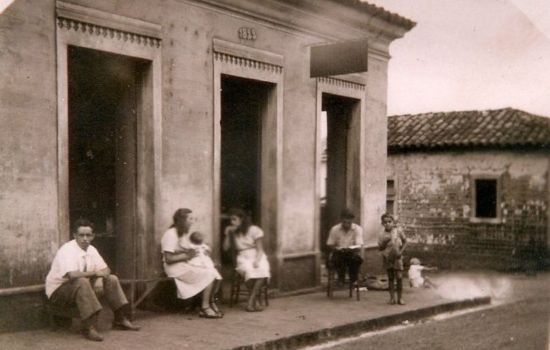
🎁 Transforming Restored Photos into Meaningful Gifts
Restored photographs make extraordinarily thoughtful presents for relatives. Parents and grandparents especially appreciate seeing childhood photos or images of their own parents brought back to life with vivid clarity and color.
Consider creating custom photo books that chronicle family history through restored images. Arrange photos chronologically or thematically, adding captions that provide context about people, places, and events. These tangible keepsakes become family heirlooms themselves, passed down through future generations.
Framed restored photos work beautifully for special occasions. A wedding gift featuring the recipient’s grandparents on their wedding day, restored to pristine condition, carries emotional weight that commercial presents cannot match. Birthday celebrations gain depth when honoring the celebrant with restored childhood photographs.
The intersection of advanced technology and treasured memories creates something truly special. Photo restoration apps democratize preservation capabilities that were recently accessible only to professionals with specialized skills and expensive software. Now anyone with a smartphone can rescue fading family photographs from the ravages of time.
Every restored photo represents more than technical achievement—it’s an act of love and respect for those who came before us. These images connect past and present, making history tangible and personal. By investing time in restoration, you create lasting legacies that honor your family’s unique story while ensuring future generations can see their heritage clearly.
The tools exist, the technology continues improving, and your precious memories wait to be rediscovered. There has never been a better time to begin restoring those old photographs gathering dust in albums and shoeboxes, transforming faded snapshots into vivid windows to the past. 📸✨
