
Anúncios
Losing everyday items can be frustrating and time-consuming. Fortunately, technology now offers smart solutions to track and locate your belongings effortlessly through innovative mobile applications.

In our fast-paced modern world, misplacing keys, wallets, phones, or other personal items has become an all-too-common occurrence. We’ve all experienced that moment of panic when we can’t find something important, leading to wasted time and unnecessary stress. The good news is that technology has evolved to address this universal problem through sophisticated lost object detector applications.
Anúncios
These innovative apps leverage cutting-edge technologies like Bluetooth, GPS, augmented reality, and crowdsourced networks to help users locate their missing items quickly and efficiently. Whether you’ve left your backpack at a café, misplaced your keys somewhere in your home, or can’t remember where you parked your car, these applications provide practical solutions that transform the frustrating experience of searching into a simple, streamlined process.
🔍 How Lost Object Detector Apps Actually Work
Lost object detector applications operate through various technological approaches, each designed to maximize the chances of recovering your belongings. Understanding these mechanisms helps users make informed decisions about which solution best fits their needs.
Anúncios
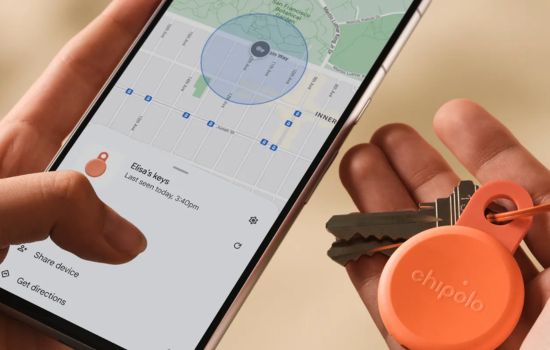
The most common technology employed by these apps is Bluetooth Low Energy (BLE), which creates a wireless connection between your smartphone and a small tracking device attached to your valuables. When an item goes missing within Bluetooth range (typically 30-100 meters depending on the device), you can trigger the tracker to emit a sound, guiding you directly to its location.
For items that have traveled beyond Bluetooth range, many applications utilize crowdsourced finding networks. When you mark an item as lost, millions of other users’ devices automatically and anonymously help scan for your tracker’s Bluetooth signal. When detected, the location is securely and privately relayed back to you, creating a vast network of helpful eyes without compromising anyone’s privacy.
📡 GPS and Location-Based Tracking
Some advanced applications incorporate GPS technology for real-time location tracking, particularly useful for vehicles, luggage, or items that might travel long distances. Unlike Bluetooth-only solutions, GPS trackers can pinpoint an object’s exact location anywhere on the planet, though they typically require cellular connectivity and consume more battery power.
Hybrid systems combine both Bluetooth and GPS capabilities, offering flexibility depending on the situation. Inside buildings or for nearby searches, Bluetooth provides precision and battery efficiency, while GPS takes over for outdoor or long-distance tracking scenarios.


🎯 Key Features to Look for in Object Detection Apps
Not all lost object detector applications are created equal. When evaluating options, several critical features distinguish exceptional apps from basic ones, ensuring you get the most reliable tracking experience possible.
Separation alerts represent one of the most valuable preventative features. These notifications warn you the moment you leave an item behind, potentially stopping losses before they occur. If you walk away from your bag at a restaurant or forget your wallet at a checkout counter, your phone immediately alerts you while you’re still nearby.
Community finding networks dramatically expand your search radius beyond your personal Bluetooth range. Apps with larger user bases provide better coverage, increasing the likelihood that someone will unknowingly pass by your lost item and anonymously relay its location back to you.
Precision finding uses advanced directional technology to guide you exactly to your item’s location. Instead of just showing a dot on a map, these features provide visual and haptic feedback that gets stronger as you approach your target, making searches remarkably efficient even in cluttered environments.

🔋 Battery Life and Power Management
Battery longevity varies significantly across different tracking solutions. Some devices use replaceable coin batteries lasting several months to over a year, while rechargeable options require periodic charging but offer additional features like GPS tracking that demand more power.
The best applications provide clear battery status indicators and send notifications when trackers need recharging or battery replacement, ensuring you’re never caught off guard with a dead tracker when you need it most.
💼 Practical Applications for Everyday Life
Lost object detector apps serve countless practical purposes across various aspects of daily life, delivering value that extends far beyond simply finding misplaced keys.
Travel and luggage tracking offers tremendous peace of mind for frequent flyers. Attaching a tracker to your suitcase allows you to monitor its location throughout your journey, receiving alerts when it arrives at baggage claim or identifying exactly where it might be if the airline misplaces it.
Pet and child safety represents another important application, though specialized devices designed specifically for living beings offer additional features like health monitoring and geofencing. Still, basic trackers can provide an extra layer of security when attached to collars or backpacks.
Vehicle location memory eliminates the frustration of forgetting where you parked in massive lots or unfamiliar areas. Many apps automatically record your car’s location when you disconnect from its Bluetooth system, creating a breadcrumb trail back to your vehicle.
🏠 Home Organization and Efficiency
Within your home, these applications transform chaotic mornings into smooth departures. Attach trackers to frequently misplaced items like remotes, glasses, or medication containers, and you’ll never waste time searching through couch cushions or retracing your steps again.
For individuals with memory challenges or cognitive conditions, these tools provide independence and dignity, allowing them to locate essential items without constantly asking for assistance.
🛡️ Privacy and Security Considerations
While lost object detector apps offer incredible convenience, they also raise legitimate privacy questions that responsible users should understand and address.
Reputable applications implement robust privacy protections, including end-to-end encryption for location data and anonymous participation in crowdsourced finding networks. Your location history and the items you’re tracking remain private, accessible only through your authenticated account.
However, these same technologies have occasionally been misused for unwanted tracking. Responsible manufacturers have implemented anti-stalking features that alert users if an unknown tracker appears to be traveling with them, providing instructions for disabling suspicious devices.
🔐 Best Practices for Safe Usage
To maximize both utility and security, users should regularly audit which items they’re tracking and who has access to their account. Enable two-factor authentication to prevent unauthorized access, and periodically review location history to ensure no unexpected tracking activity appears.
When purchasing used trackers or receiving them as gifts, always reset devices to factory settings and register them under your own account, preventing previous owners from maintaining access to location data.
📊 Comparing Popular Lost Object Detector Solutions
The market offers numerous lost object detection options, each with distinct advantages, limitations, and ideal use cases. Understanding these differences helps you select the solution that best matches your specific needs and existing technology ecosystem.
| Feature | Bluetooth Trackers | GPS Trackers | Hybrid Systems |
|---|---|---|---|
| Range | 30-100 meters | Unlimited (with cellular) | Variable based on mode |
| Battery Life | 6-12 months | Days to weeks | Variable based on usage |
| Precision | Very high (nearby) | Moderate (10-50 meters) | High in both scenarios |
| Cost | Low ($25-35) | Higher ($50-150) | Moderate to high |
| Subscription Fees | None | Often required | Sometimes required |
Bluetooth-based trackers excel for everyday items that stay relatively close to you—keys, wallets, bags, and electronics. Their long battery life, low cost, and lack of subscription fees make them ideal for most users’ needs.
GPS trackers better serve items that travel long distances independently, such as vehicles, shipped packages, or equipment that moves between different locations. The tradeoff involves higher costs, shorter battery life, and often monthly service fees for cellular connectivity.
🚀 Future Innovations in Object Tracking Technology
The lost object detection industry continues evolving rapidly, with exciting developments promising even more powerful and convenient solutions in the coming years.
Ultra-wideband (UWB) technology represents the next generation of precision tracking, offering spatial awareness accurate to centimeters rather than meters. This technology enables augmented reality interfaces that overlay directional arrows in your camera view, pointing precisely toward your lost item even in complex environments.
Integration with smart home ecosystems will create automated workflows where your home actively helps prevent losses. Imagine your door lock refusing to engage until all tagged items are safely inside, or your car automatically alerting you if you’ve left your phone behind before you drive away.
🌐 Expanded Network Coverage
As adoption grows, crowdsourced finding networks become exponentially more effective. With hundreds of millions of devices participating worldwide, even rural or remote areas gain reliable coverage, dramatically improving recovery rates for lost items anywhere on Earth.
Interoperability between different manufacturers’ networks may emerge, creating universal finding systems that work regardless of which brand of tracker you own, similar to how different phone carriers all connect to the same cellular infrastructure.
💡 Maximizing the Value of Your Object Detector App
Simply installing a lost object detector app and attaching trackers to your belongings represents just the beginning. Strategic usage patterns and smart habits multiply the value these tools provide.
Prioritize tracking items based on both their value and your likelihood of misplacing them. Your expensive laptop might be valuable, but if you never lose it, that tracker might be better used on your frequently misplaced sunglasses or reusable water bottle.
Customize separation alerts to match your actual routines, preventing alert fatigue from excessive notifications. If you regularly leave your backpack in your car, configure the app to suppress alerts in that specific location while maintaining them everywhere else.
🎓 Teaching Responsible Technology Use
For families, these apps provide excellent opportunities to teach children about technology responsibility and problem-solving. Giving kids their own trackers for school bags or sports equipment encourages ownership while providing parents peace of mind.
Use lost item experiences as teaching moments about organization, mindfulness, and the appropriate role technology plays in our lives—as a helpful tool rather than a substitute for developing good habits.
🌟 Real-World Success Stories
The true value of lost object detector applications shines through in countless real-world recovery stories shared by users worldwide. These experiences demonstrate how this technology delivers genuine impact beyond mere convenience.
Travelers have recovered checked luggage misrouted to different continents, using tracker data to direct airline staff to exact warehouse locations. The difference between waiting days for standard lost luggage procedures versus immediately locating your bag can transform a ruined vacation into a minor inconvenience.
Pet owners have reunited with escaped animals thanks to trackers attached to collars, with crowdsourced networks helping locate pets miles from home within hours rather than the days or weeks traditional methods require.
Elderly individuals with cognitive decline maintain independence longer when equipped with tracked essential items, reducing caregiver stress and preserving dignity during challenging life transitions.
🔧 Troubleshooting Common Issues
Even the best lost object detector apps occasionally encounter problems. Understanding common issues and their solutions ensures you maintain reliable tracking capabilities when you need them most.
Bluetooth connectivity problems often stem from device settings rather than hardware failures. Ensure Bluetooth remains enabled, location permissions are granted, and background app refresh is activated for your tracking application. Periodically restarting both your phone and tracker can resolve temporary glitches.
Inaccurate location reporting might indicate your tracker’s battery is depleting or that you’re in an area with poor network coverage. Check battery status first, and remember that crowdsourced finding depends on other users being nearby—remote locations naturally experience slower updates.
Missing separation alerts usually result from overly strict power management settings. Navigate to your phone’s battery optimization settings and exclude your tracking app from power-saving restrictions, ensuring it can continuously monitor connections even when running in the background.
✨ Making the Smart Choice for Your Needs
Selecting the right lost object detector app involves assessing your specific circumstances, budget, and the items you most frequently misplace. There’s no universal “best” solution—only the best fit for your unique situation.
Consider your existing technology ecosystem first. If you’re deeply integrated into a particular platform’s products and services, native tracking solutions often provide seamless experiences with devices you already own, eliminating additional hardware purchases.
Evaluate the geographical areas where you spend most time. Urban dwellers benefit tremendously from crowdsourced networks due to high user density, while rural residents might need GPS-capable solutions that don’t depend on other users being nearby.
Budget both initial costs and ongoing expenses. While subscription-free Bluetooth trackers seem economical, investing in a GPS solution with monthly fees might prove worthwhile for high-value items or specific use cases like vehicle tracking that justify the expense.
The transformation from frantic searching to calm confidence represents the true gift these applications provide. By reducing the mental load of worrying about lost items and eliminating the time wasted searching for them, lost object detector apps deliver a tangible improvement in daily quality of life. Whether you’re tracking everyday essentials, valuable possessions, or items with irreplaceable sentimental meaning, these technological solutions offer practical peace of mind in an increasingly mobile and complex world. 🌈
