
Anúncios
Real-time voice translation apps are breaking down language barriers worldwide, making instant multilingual communication accessible to everyone with a smartphone.

Imagine landing in Tokyo without speaking a word of Japanese, yet being able to have fluid conversations with locals. Or picture a business meeting where participants speak different languages but communicate seamlessly. This isn’t science fiction—it’s the reality that real-time voice translator apps have created for millions of people around the globe.
Anúncios
These powerful tools combine artificial intelligence, machine learning, and natural language processing to instantly convert spoken words from one language to another. Whether you’re traveling abroad, conducting international business, or simply connecting with people from different cultures, voice translation technology has become an indispensable companion in our increasingly connected world. 🌍
How Real-Time Voice Translation Technology Actually Works
The magic behind voice translator apps involves multiple sophisticated processes happening simultaneously. When you speak into your device, the app first captures your audio using advanced speech recognition algorithms. This technology has evolved dramatically over recent years, now capable of understanding various accents, dialects, and speaking speeds with remarkable accuracy.
Anúncios
Once your speech is captured, the system converts it into text through automatic speech recognition (ASR). This text then undergoes neural machine translation, where deep learning models trained on billions of language examples translate the content into your target language. Finally, text-to-speech (TTS) technology converts the translated text back into natural-sounding audio.
The entire process typically takes just seconds, creating the illusion of instantaneous translation. Modern apps leverage cloud computing power to access massive language databases and continuously updated translation models, ensuring accuracy improves with every interaction.


Top Features That Define Premium Voice Translator Apps
Not all translation apps are created equal. The best real-time voice translators offer features that go beyond basic word conversion, providing comprehensive language support for diverse situations.
Conversation Mode for Natural Dialogue 💬
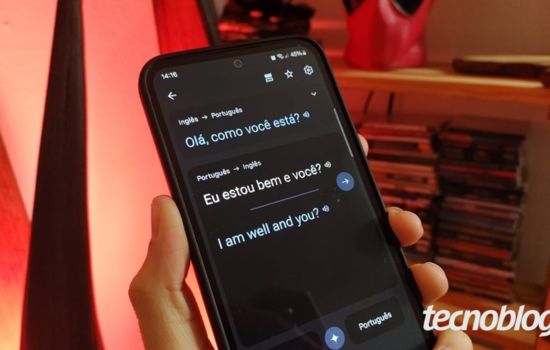
Leading apps include conversation mode, which allows two people speaking different languages to communicate naturally. The app automatically detects which language is being spoken and translates accordingly, eliminating the need to manually switch between languages. This feature transforms your smartphone into a personal interpreter that facilitates genuine human connection.
Offline Functionality for Connectivity-Free Zones
While cloud-based translation offers superior accuracy, the best apps provide downloadable language packs for offline use. This proves invaluable when traveling to areas with limited internet connectivity or when you want to avoid international data charges. Offline mode ensures you’re never left speechless, regardless of your connection status.
Multiple Input Methods
Premium translators support various input options beyond voice, including text typing, camera translation for signs and menus, and handwriting recognition. This versatility makes them comprehensive language tools rather than single-purpose applications.
Phrasebook and History Features
Smart apps remember your translation history and allow you to save frequently used phrases in a personal phrasebook. This becomes particularly useful for travelers who repeatedly need specific expressions or business professionals who regularly communicate certain terms.

Practical Applications That Transform Daily Life
Real-time voice translation apps have moved from novelty to necessity across numerous scenarios. Their impact extends far beyond tourism, touching education, healthcare, business, and personal relationships.
International Travel Made Effortless ✈️
For travelers, these apps serve as pocket-sized interpreters. From ordering food at local restaurants to negotiating prices at markets, asking for directions, or handling emergency situations, voice translators empower tourists to explore authentically. They eliminate the intimidation factor that often prevents travelers from venturing beyond English-speaking areas or tourist zones.
Breaking Barriers in Global Business
Multinational companies and freelancers working with international clients rely on translation apps for video conferences, email drafting, and real-time negotiations. While professional human interpreters remain essential for high-stakes situations, translation apps handle routine communications efficiently and cost-effectively.
Healthcare Communication in Emergency Situations
Hospitals and clinics increasingly utilize voice translation technology to communicate with patients who don’t speak the local language. In medical emergencies where every second counts, these apps help healthcare providers understand symptoms, explain procedures, and provide care instructions accurately.
Educational Opportunities Without Language Limits
Students learning new languages use real-time translators as study companions, helping them practice pronunciation, understand context, and build vocabulary. International students attending universities abroad leverage these tools to supplement their language skills while adapting to new educational environments.
Building Cross-Cultural Personal Relationships
Perhaps most beautifully, translation apps help people form friendships and romantic relationships across language barriers. They facilitate the initial connections that motivate individuals to eventually learn each other’s languages organically.
Choosing the Right Voice Translator for Your Needs
With dozens of translation apps available, selecting the ideal one depends on your specific requirements and usage patterns. Consider these factors when making your decision.
Language Coverage and Accuracy
Examine which languages the app supports and how well it handles your specific language pairs. Some apps excel at major languages like English, Spanish, Mandarin, and French but struggle with less common languages. Read user reviews focusing on your particular language combination to gauge real-world performance.
Voice Recognition Quality 🎤
Test how well the app recognizes your accent and speaking style. Some translators perform better with certain accents than others. The best apps adapt to individual speech patterns over time, improving accuracy through machine learning.
Interface Simplicity and Speed
During actual use, you need translations quickly without navigating complex menus. The most effective apps feature intuitive interfaces that allow translation initiation with a single tap. Response speed matters enormously—delays of even a few seconds can disrupt natural conversation flow.
Privacy and Data Security
Consider how apps handle your voice data. Some process everything in the cloud, potentially raising privacy concerns, while others offer on-device processing for sensitive conversations. Review privacy policies carefully, especially if you’ll be translating confidential business or personal information.
Cost Structure
Many translation apps offer free basic functionality with premium features available through subscription. Evaluate whether free versions meet your needs or if advanced features like unlimited offline translations, additional languages, or ad-free experiences justify subscription costs.
Maximizing Translation Accuracy: Pro Tips and Best Practices
Even the most sophisticated translation apps benefit from smart usage strategies that enhance accuracy and effectiveness.
Speak Clearly and at Moderate Pace
While modern apps handle various speaking styles, clear pronunciation at normal conversational speed yields the best results. Avoid speaking too quickly or mumbling, which can confuse speech recognition algorithms.
Use Standard Language Rather Than Slang
Idioms, colloquialisms, and regional slang often translate poorly or produce confusing results. When possible, use standard vocabulary and straightforward sentence structures. This doesn’t mean being unnatural—just avoid highly specialized expressions when simpler alternatives exist.
Provide Context When Necessary
Many words have multiple meanings depending on context. If you receive an odd translation, try rephrasing with additional context. For example, instead of just “bank,” specify “river bank” or “financial bank” to eliminate ambiguity.
Verify Critical Information
For important communications—medical information, legal matters, financial transactions—always verify translations through multiple methods. Consider using reverse translation (translating back to your original language) to check accuracy, or consult native speakers when stakes are high.
Download Languages Before Traveling
Don’t wait until you’re abroad with spotty internet to discover you need offline language packs. Download required languages before your trip while connected to reliable Wi-Fi, ensuring you have full functionality regardless of connectivity.
Common Limitations and How to Work Around Them
Despite impressive capabilities, voice translation technology still faces certain constraints. Understanding these limitations helps set realistic expectations and develop workaround strategies.
Challenges with Complex Grammar and Nuance
Translation apps sometimes struggle with complex grammatical structures, particularly in languages with significantly different syntax. They may also miss subtle nuances, humor, sarcasm, or cultural references. For basic communication this rarely matters, but be aware when deeper understanding is required.
Background Noise Interference
Voice recognition performs poorly in loud environments. When using translation apps in crowded places, restaurants, or busy streets, move to quieter areas when possible, or position your device’s microphone close to the speaker’s mouth to capture clearer audio.
Technical Language and Specialized Terminology
While general vocabulary translation has become highly accurate, specialized technical, medical, legal, or academic terminology may be translated incorrectly. Professional human translators with subject matter expertise remain essential for specialized content.
Battery and Data Consumption
Real-time translation apps, especially when using cloud-based processing, consume significant battery power and mobile data. Carry portable chargers when relying heavily on translation apps, and monitor data usage to avoid overage charges or depleted plans.
The Future of Real-Time Voice Translation Technology 🚀
Translation technology continues evolving rapidly, with exciting developments on the horizon that will make current limitations obsolete.
Neural Machine Translation Advances
Next-generation neural networks will understand context even better, handling idiomatic expressions, cultural references, and emotional tone more accurately. These systems will learn from billions of real conversations, continuously improving translation quality.
Integration with Augmented Reality
Future apps will overlay translations directly onto your field of vision through AR glasses or enhanced smartphone cameras. Imagine looking at a street sign and seeing instant translation floating beside it, or wearing earbuds that translate conversations you’re hearing in real-time.
More Natural Voice Synthesis
Text-to-speech technology is becoming increasingly natural-sounding, with emotional intonation and personality. Future translators won’t just convert words—they’ll preserve the speaker’s emotional intent, making translated conversations feel more authentic and human.
Expanded Language Support
While major languages receive extensive development resources, AI advances are making it economically feasible to support thousands of smaller languages and dialects. This democratization will preserve endangered languages and give voice to marginalized linguistic communities.
Privacy Considerations When Using Translation Apps
As with any technology that processes your voice and potentially sensitive conversations, privacy deserves careful consideration when choosing and using translation apps.
Most cloud-based translation services record and analyze your voice data to improve their algorithms. While this improves accuracy over time, it also means your conversations pass through company servers. Review each app’s privacy policy to understand data retention practices, whether recordings are anonymized, and if data might be shared with third parties.
For sensitive conversations—business negotiations, medical consultations, legal discussions—consider apps offering on-device processing or those with strong privacy commitments. Some premium services specifically cater to privacy-conscious users, processing translations locally without cloud transmission.
Be mindful about translating personal information like addresses, financial details, or passwords through translation apps. When absolute privacy is essential, human interpreters bound by confidentiality agreements remain the gold standard.
Making Language Learning Easier with Translation Tools
While translation apps enable communication without knowing a language, they paradoxically also accelerate language learning when used strategically.
Use voice translators as pronunciation coaches by comparing your speaking with native audio output. Many apps show both phonetic and native scripts, helping you connect sounds with written language. Save useful phrases in your phrasebook and practice them regularly until they become natural.
Rather than translating everything, challenge yourself to communicate first without translation, using the app only when genuinely stuck. This builds confidence and forces your brain to actively engage with the new language rather than passively relying on technology.
Translation apps work wonderfully alongside formal language education, supplementing classroom learning with real-world practice opportunities. They provide immediate feedback and endless patience—qualities that complement human teachers perfectly. 📚
Comparing Popular Voice Translator Apps
Several translation apps dominate the market, each with distinct strengths serving different user needs.
| Feature | Major Consumer Apps | Specialized Business Tools | Travel-Focused Options |
|---|---|---|---|
| Language Support | 100+ languages | 40-60 languages | 30-50 languages |
| Offline Mode | Limited languages | Premium feature | Extensive support |
| Conversation Mode | Yes | Yes | Yes |
| Price | Free with ads/premium | Subscription-based | One-time purchase/free |
| Accuracy | Very high | Very high | High |
The best choice depends on your primary use case. Frequent international travelers benefit from apps with robust offline capabilities and travel-specific phrasebooks. Business professionals might prioritize accuracy and privacy features over language quantity. Casual users often find free consumer apps perfectly adequate for occasional needs.
Real User Experiences: When Translation Apps Saved the Day
Beyond technical specifications, real-world experiences illustrate how voice translators genuinely impact people’s lives in meaningful ways.
Maria, a solo traveler from Brazil, found herself in a Vietnamese hospital with severe food poisoning. Unable to communicate her symptoms or understand medical instructions, she used a translation app to explain her condition and comprehend the doctor’s diagnosis and treatment plan. What could have been a frightening, dangerous situation became manageable thanks to real-time translation.
James, a small business owner in the United States, secured a major manufacturing partnership with a Korean company despite neither party speaking the other’s language fluently. During initial video conferences, both sides used translation apps to communicate complex technical specifications and negotiate terms, building a relationship that eventually led to both companies hiring professional interpreters for final contract details.
These stories repeat millions of times daily—translation apps quietly enabling human connections that would otherwise remain impossible, opening opportunities that language barriers previously closed. 🌟
Empowering Global Communication One Conversation at a Time
Real-time voice translator apps represent more than convenient technology—they embody the democratic ideal that language shouldn’t determine who can participate in global conversations, access opportunities, or form meaningful relationships.
While these tools will never completely replace the depth and nuance of learning languages traditionally or the expertise of professional human translators, they’ve made the world remarkably smaller and more accessible. They empower travelers to explore confidently, enable businesses to expand internationally, help healthcare providers care for diverse populations, and allow people from different cultures to genuinely connect.
As artificial intelligence continues advancing, translation accuracy will only improve, making these already impressive tools even more powerful. The technology has matured beyond experimental status into reliable, everyday utility that millions depend on.
Whether you’re planning international travel, working with overseas clients, learning a new language, or simply curious about connecting across linguistic boundaries, a real-time voice translator app deserves a place on your smartphone. Download one today, experiment with its features, and discover how effortlessly you can communicate across languages. The world is waiting to talk with you—now nothing stands in the way of the conversation. 🗣️
