
Anúncios
# Discover Your Roots: The Rise of Surname, Ancestry, and DNA Apps
Ever wondered where your last name comes from or what stories are hidden in your DNA? Modern technology now makes uncovering your heritage easier than ever before.

The quest to understand our origins has become one of the most popular pursuits in the digital age. Millions of people worldwide are turning to ancestry and DNA apps to unlock the mysteries of their family history, ethnic composition, and genetic heritage. These innovative applications combine cutting-edge technology with genealogical research, offering insights that were once available only to professional researchers or those with significant resources.
Anúncios
Whether you’re curious about the meaning behind your surname, eager to connect with distant relatives across the globe, or fascinated by the ethnic mosaic that makes you unique, ancestry apps have revolutionized how we explore our past. From simple surname searches to comprehensive DNA analysis, these tools provide unprecedented access to our personal histories. 🧬
Understanding the Ancestry App Revolution
The ancestry technology landscape has evolved dramatically over the past decade. What started as basic family tree builders has transformed into sophisticated platforms that integrate DNA science, historical records, and artificial intelligence. Today’s ancestry apps can analyze your facial features, compare your genetic markers with global databases, and even predict traits you may have inherited from ancestors you’ve never met.
Anúncios
These applications serve multiple purposes beyond mere curiosity. They help adopted individuals find biological families, assist medical professionals in understanding hereditary health conditions, and enable communities to preserve cultural heritage. The democratization of genetic testing has made it possible for anyone with a smartphone to embark on a journey of self-discovery that connects them to thousands of years of human migration and evolution.


How Surname Apps Trace Your Family Name 📜
Your surname carries centuries of history, often revealing your ancestors’ occupations, geographical origins, or physical characteristics. Surname ancestry apps use extensive databases containing millions of name records from different cultures and time periods. When you input your last name, sophisticated algorithms search through historical documents, immigration records, census data, and linguistic patterns to determine its likely origins.
Many surnames evolved from professions—like Smith, Baker, or Carpenter in English-speaking countries. Others derive from geographical features, such as Hill, Rivers, or Woods. Some cultures use patronymic naming systems, where children’s surnames reflect their father’s first name, like Johnson (son of John) or Rodriguez (son of Rodrigo). Understanding these patterns helps apps provide accurate information about your family’s potential origins.
Popular Surname Origins and Their Meanings
Different cultures have distinct naming traditions that reveal fascinating historical insights. English surnames often emerged in the 11th to 15th centuries, while some Chinese surnames date back over 5,000 years. Spanish and Portuguese surnames frequently include “de” or “dos,” indicating geographical origins, while Irish surnames commonly feature “O'” or “Mac,” denoting “grandson of” or “son of.”
Modern apps can trace surname migrations across continents, showing how names transformed as families moved through different linguistic regions. A German name like “Schmidt” might appear as “Smith” in England or “Ferreiro” in Portugal—all meaning blacksmith but adapted to local languages.
DNA Analysis Technology in Mobile Apps 🔬
DNA ancestry apps represent the cutting edge of personalized genomics. While comprehensive DNA kits require physical samples sent to laboratories, newer applications use facial recognition technology and artificial intelligence to estimate ethnic composition based on physical features. These apps analyze facial structure, skin tone, eye shape, and other characteristics to predict your genetic background.
Laboratory-based DNA tests examine specific markers in your genetic code that correspond to population groups from different geographical regions. These markers, accumulated over thousands of generations, create unique genetic signatures associated with specific ethnic groups and geographic areas. The most advanced tests examine hundreds of thousands of genetic markers to provide detailed ethnicity estimates.

What Your DNA Can Reveal
Genetic testing through ancestry apps can uncover remarkable information about your heritage. Beyond basic ethnicity percentages, DNA analysis can identify specific regions where your ancestors lived, sometimes pinpointing villages or small geographic areas. Some apps can estimate when ancestors from different ethnic backgrounds entered your family line, creating a timeline of your family’s genetic history.
DNA apps also facilitate relative matching, connecting you with genetic cousins ranging from close family to distant relatives separated by dozens of generations. These connections have reunited families, solved cold cases, and helped people discover previously unknown siblings or parents. The social aspect of DNA apps has created global communities of people exploring their shared heritage. ✨
Ethnic Heritage and Cultural Identity
Understanding your ethnic composition goes beyond percentages and pie charts—it’s about connecting with cultural traditions, languages, and histories that shaped your ancestors’ lives. Ancestry apps help users explore the rich tapestry of their heritage, offering insights into migration patterns, historical events, and cultural practices associated with their genetic background.
Many people discover unexpected ethnicities in their DNA results, challenging their understanding of their identity. Someone who identified as purely one ethnicity might discover diverse heritage spanning multiple continents. These revelations often inspire users to learn languages, explore cuisines, research historical events, and connect with cultural communities they never knew they belonged to.
Regional Specificity in Ethnicity Estimates
Modern ancestry apps provide increasingly granular ethnicity breakdowns. Rather than broad categories like “European” or “Asian,” advanced algorithms can distinguish between Northern and Southern Italian heritage, separate Scandinavian countries, or differentiate between various African regions and ethnic groups. This specificity results from expanding reference databases that include genetic samples from diverse populations worldwide.
The accuracy of ethnicity estimates depends on the size and diversity of the reference database. Apps continuously update their algorithms as more people contribute their genetic data, improving precision over time. Some platforms now offer sub-regional estimates accurate to within a few hundred miles, particularly for well-represented populations.
Privacy Considerations and Data Security 🔒
As ancestry apps gain popularity, privacy concerns have become increasingly important. Genetic data represents some of the most sensitive personal information imaginable—it’s uniquely yours, immutable, and reveals information not just about you but also your relatives. Reputable ancestry apps implement robust security measures, including encryption, secure servers, and strict data access protocols.
Before using any ancestry or DNA app, review their privacy policies carefully. Understand how your data will be stored, who can access it, whether it will be shared with third parties, and your rights regarding data deletion. Some apps anonymize genetic data for research purposes, while others allow users to opt out of such programs entirely.
Legal and Ethical Implications
The ancestry testing industry operates in a complex legal landscape that varies by country and region. In some jurisdictions, genetic information enjoys special legal protections, while in others, regulations remain undeveloped. Law enforcement agencies have occasionally used DNA databases to solve crimes, raising questions about the balance between public safety and genetic privacy.
Ethical considerations extend beyond privacy to include potential emotional impacts. Discovering unexpected family relationships, unknown health risks, or challenging cultural identities can be psychologically significant. Responsible ancestry apps provide resources, support, and counseling information to help users navigate sensitive discoveries.
Building Your Family Tree Digitally 🌳
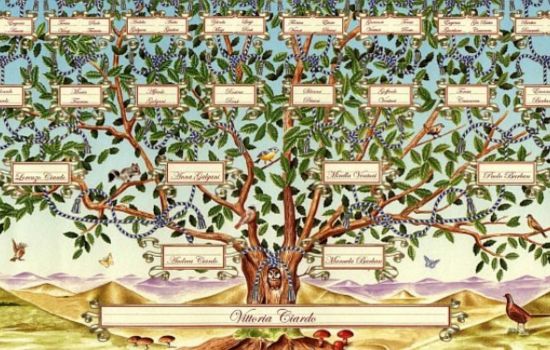
Beyond DNA and surname analysis, many ancestry apps offer comprehensive family tree building tools. These features allow users to document their genealogy visually, adding photos, documents, stories, and historical records to create a multimedia legacy. Digital family trees can be shared with relatives, allowing collaborative research where family members contribute their knowledge and memories.
Advanced family tree apps integrate with historical databases, automatically suggesting potential ancestors based on your existing tree and available records. These suggestions might include census records, immigration documents, military service records, birth and death certificates, and historical newspapers—resources that once required extensive archive visits now accessible from your smartphone.
Connecting Generations Through Technology
Ancestry apps serve as bridges between generations, helping younger family members understand their heritage while preserving older relatives’ memories and stories. Many apps include features for recording audio interviews, scanning old photographs, and documenting family recipes and traditions. This digital preservation ensures that family history survives for future generations in accessible, searchable formats.
The social features in ancestry apps create vibrant communities of genealogy enthusiasts who share research tips, help decode old documents, and assist with translation of foreign language records. These communities often develop into lasting friendships based on shared heritage or common research interests. 👥
Health Insights from Ancestry Testing
While primarily focused on heritage and genealogy, some ancestry apps provide health-related genetic information. These insights might include carrier status for certain genetic conditions, predispositions to specific health issues, or traits influenced by genetics. However, it’s crucial to understand that ancestry apps aren’t substitutes for professional medical advice or diagnostic testing.
Health-related genetic information should always be discussed with healthcare professionals who can interpret results within the context of your complete medical history, family background, and environmental factors. Some genetic variants require confirmatory testing in clinical laboratories before making health decisions based on ancestry app results.
Choosing the Right Ancestry App for Your Needs
The abundance of ancestry apps available today means finding the right one requires careful consideration of your specific goals. If you’re primarily interested in surname origins and family tree building, apps focused on genealogical records might suit you best. Those seeking detailed ethnic breakdowns should prioritize apps with extensive DNA databases and regional specificity.
Consider factors like database size, geographic focus, available features, user interface, cost, privacy policies, and customer support when selecting an ancestry app. Many offer free basic features with premium subscriptions unlocking advanced capabilities. Reading user reviews and comparing features helps identify which platform best matches your ancestry exploration goals. 💫
The Future of Ancestry Technology
Ancestry app technology continues advancing rapidly. Artificial intelligence and machine learning improve ethnicity estimate accuracy and record-matching algorithms. Virtual reality may soon allow users to explore ancestral homelands immersively, while augmented reality could overlay historical information onto current locations significant to your family history.
Emerging technologies like whole genome sequencing will provide even more comprehensive genetic information, while expanding databases will improve accuracy for currently underrepresented populations. Blockchain technology might offer new solutions for genetic data security and ownership, giving users greater control over their information.
Democratizing Genealogical Research
Perhaps the most significant impact of ancestry apps is democratizing genealogical research. What once required expensive consultants, archive visits, and extensive time investments now fits in your pocket. This accessibility enables people worldwide, regardless of economic status or location, to explore their heritage and connect with their past in meaningful ways.
As these technologies evolve, they’ll continue breaking down barriers to self-discovery, helping millions understand their place in the grand tapestry of human history. Whether you’re just beginning your ancestry journey or you’re a seasoned genealogy enthusiast, modern apps offer unprecedented tools for exploring the fascinating story of who you are and where you came from. 🌍
Getting Started with Your Ancestry Journey
Beginning your ancestry exploration is simpler than ever. Start by gathering information you already know—names, birthdates, locations, and stories from older relatives. This foundational information helps you build outward, verifying details and discovering new connections. Many ancestry apps offer guided tutorials that walk new users through the process step-by-step.
Remember that ancestry research is a marathon, not a sprint. Family history often reveals itself gradually through persistent investigation, careful documentation, and occasional breakthrough discoveries. Embrace the journey, celebrate small victories, and don’t be discouraged by brick walls—every genealogist encounters them. The tools available through modern ancestry apps make overcoming these obstacles easier than ever before, connecting you with a global community ready to help you discover your unique heritage story.
